













Freeze, recycle, repeat
Raising animals for food isn't a pretty job, but someone has to do it.
It's even less glamorous when farmers have to find efficient, safe ways to dispose of animals that die before meeting the butcher.
Since the dawn of the poultry industry in Sussex County, farmers used traditional pit burial or composting to deal with chickens that die: Farm laborers dig deep holes, place the deceased poultry side by side and cover them with layers of manure and straw. It gets the job done, but it's grueling work, especially dealing with summer sun, frozen ground or inclement weather. Farmers are often left with too much compost that has no beneficial reuse.
Delmarva poultry by the numbers
FARMS: 1,700
CHICKENS PER WEEK: 11 million
EMPLOYEES: More than 14,000
MORTALITY: 23,000 tons generated in 2013
EFFICIENCY: Freezers are 53 percent more effective in reducing nitrogen than other methods, including cover crops, grass buffers and wetland restoration
MORE INFORMATION: Go to www.greener-solutions-llc.com
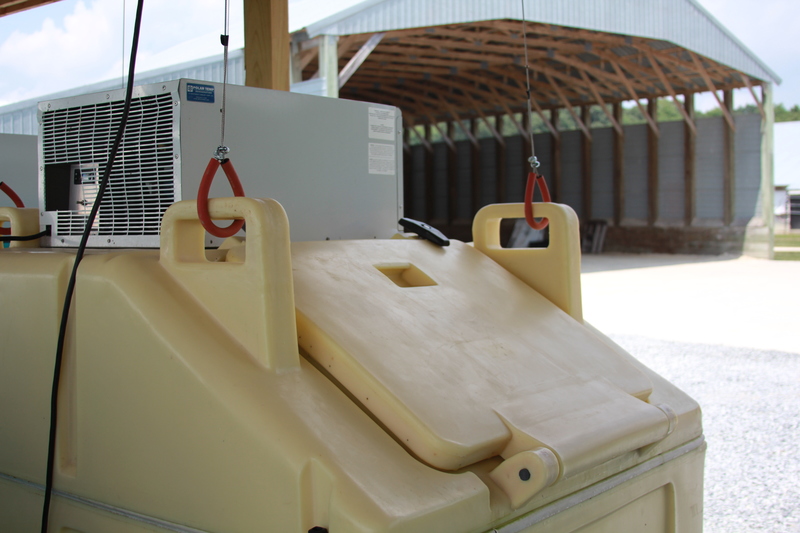
A Millsboro-area company is proposing a method to make the dirty work a little easier – and cleaner: Freezers.
Freezing poultry lost during the growing process is not a new technique, said Greener Solutions LLC co-founder Terry Baker during a presentation of the company's offerings July 20. In some parts of the country, farmers have been using freezer collection units for more than two decades.
“This isn't in the R&D phase,” said Baker's founding partner, Victor Clark. “It's actually built and ready to roll.”
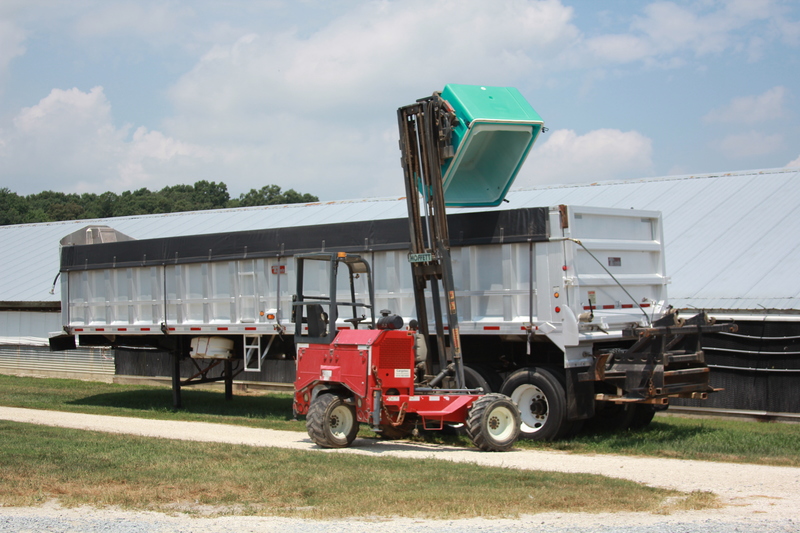
In addition to reducing the labor costs of composting, freezing preserves the poultry's fat and proteins so that they can be used in other ways that don't include food sources for humans. After the freezers are emptied, the unfortunate flocks can be repurposed into biofuel sources and other materials such as feed for aquaculture, Clark said.
“Basically, in essence, it's recycling,” Clark said. There's more demand for biofuels than the compost, which, he said, has too much phosphorous to ideally be used as fertilizer. Recycling also limits runoff of nitrogen and phosphorous into local waterways, reducing agricultural pollution.
“We're not trying to make all manure evaporate from the peninsula. There's just a portion of it we don't know what to do with,” Clark said.
Most importantly, Baker and Clark said, freezers add a layer of biosecurity that can fend against the spread of avian influenza.
By eliminating open-air composting sheds, which attract vermin such as foxes, raccoons and feral cats, freezers don't attract those vermin, which can be carriers of avian influenza if they come into contact with waterfowl such as geese and ducks and their droppings, known carriers of the disease.
“We always considered this better biosecurity from the local perspective,” Clark said. “We can certainly reduce the amount of opportunity for AI to make it to a farm by reducing the amount of animal visitors.”
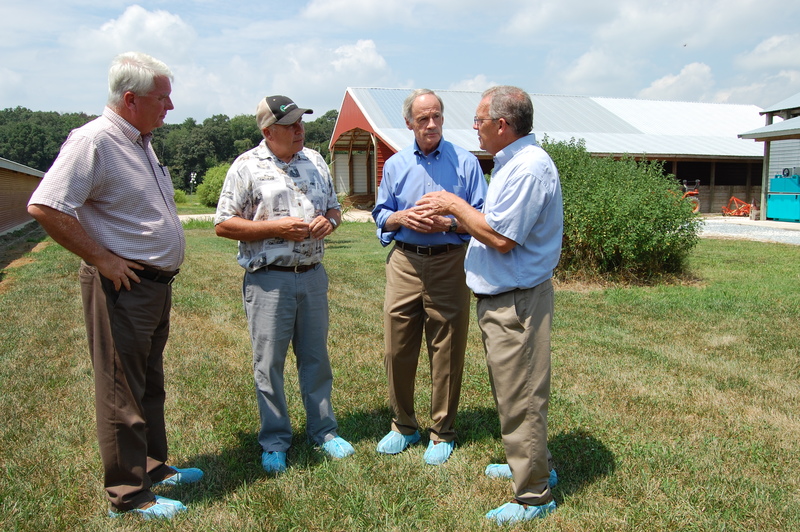
U.S. Sen. Tom Carper, who visited the farm to learn more about the freezing technology, agreed that it could be an extra precaution against the spread of the new strain of deadly bird flu.
“What we need is a multilayer approach to enhance security,” Carper said. “There's many facets to that multilayer approach, and this is another good, if you will, arrow in our quiver.”
In Delaware, two farms have put the technology to the test, thanks to a Delaware Department of Agriculture-funded pilot program. Federal cost-share funding provided through the Natural Resources Conservation Service will provide a 63 percent match for each freezer – which cost about $4,800 each – purchased by Delmarva farmers.
A farm in Millsboro and another in Seaford have been testing the freezers since the end of 2013, and those farmers like what they have seen.
Since the pilot program started at State Line Farms in Seaford, farmer Brent Willin said the freezers significantly reduced labor costs.
“It's made our lives and our employees' lives so much better,” Willin said. “This is as simple as it gets.”
Freezers also reduce the number of flies, Willin said, which retired University of Delaware poultry specialist Bud Malone said could be potential carriers of avian influenza.
State Department of Agriculture Secretary Ed Kee said with the inevitable outbreak of highly pathogenic avian influenza expected as waterfowl migrate south this fall, it's the job of local farmers to respond quickly and effectively to reduce the chance the disease will devastate Delmarva's poultry industry.
“There's a lot of great research, but sooner or later that research has to make it in the real world or not,” Kee said. “What's heartwarming is that this seems like it's making it.”