












Lewes Community Playground held vital role in 1960s
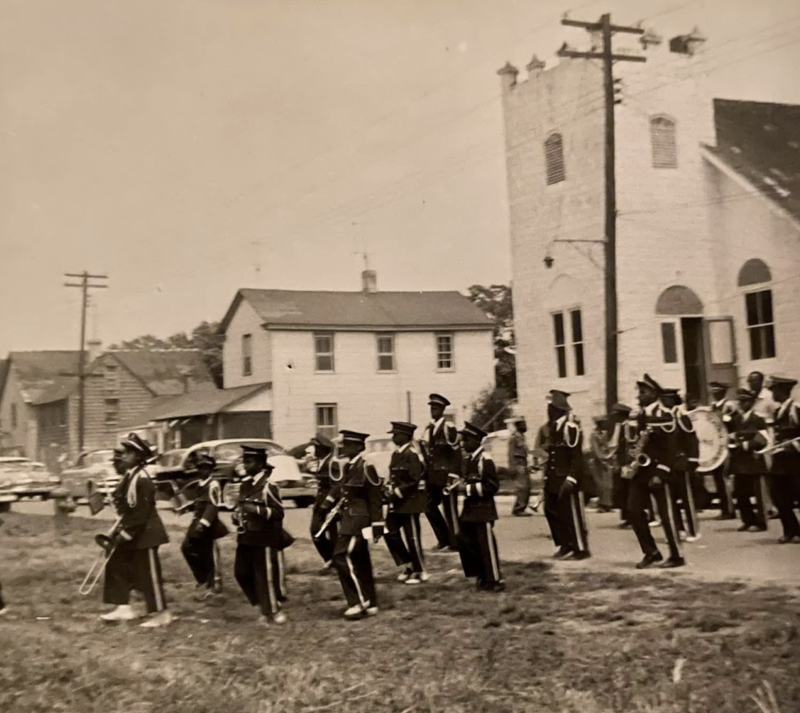
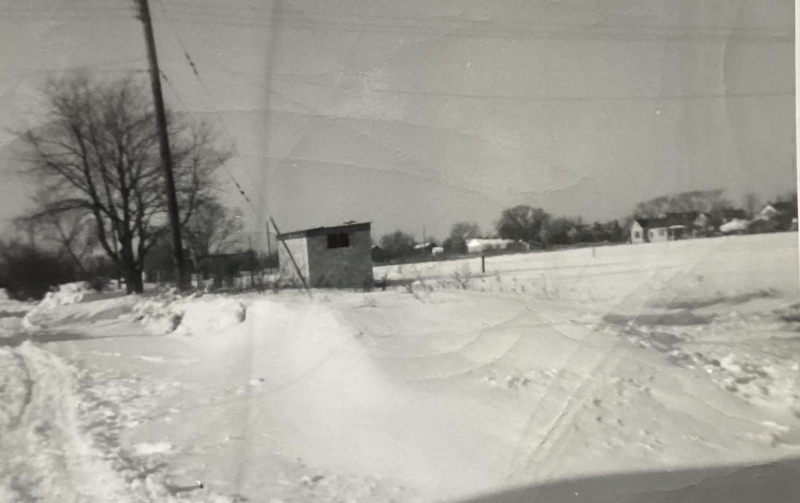
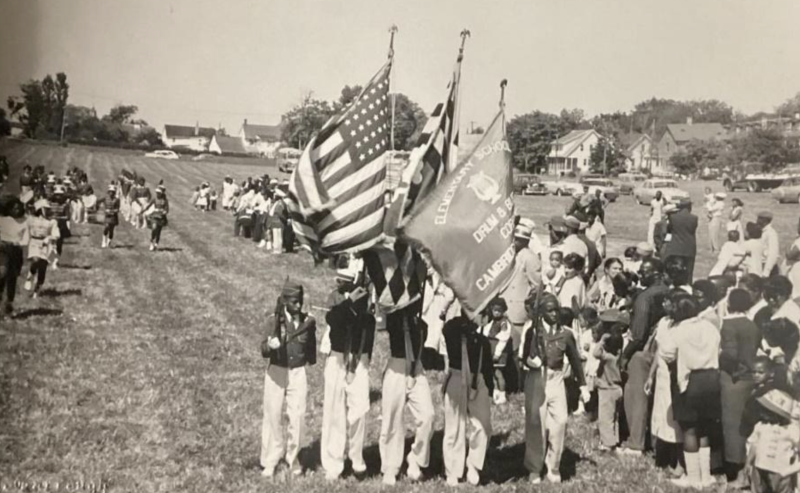
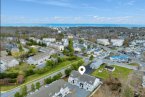
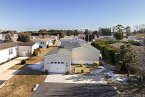
The Lewes Community Playground opened near Park Avenue June 1, 1957, at what is now Shipcarpenter Square. The joyous day included a parade, a number of activities and a ceremony to mark the occasion. The playground would provide Black children in Lewes a rare place to play and gather during Delaware’s segregated era, offering joy despite social divisions.
Then-Mayor Otis H. Smith and his wife leased the land to the Black community for a nominal fee, allowing the Jolly Jills Club and Lewes Junior High PTA to sponsor a playground with a swing set, slide and seesaw. The Lewes Civic Club provided a baseball diamond and restrooms, turning the area into a community hub.
“To me, it was a safe space. The adults were always watching out for each other’s children, even though we didn’t know it,” said Delena “Dee” Lott, a member of the Lewes African American Heritage Commission.
“The biggest thrill for the young and old alike was being at the playground for the annual May Day Celebration,” said the Rev. Janet Maull Martin.
“There was always something going on [at the playground],” said Kitty Perry.
The playground quickly became a space for children of all races to gather. Laughter, babies’ cries and baseball sounds filled the air as friendships formed and differences diminished.
“The profoundly meaningful role the baseball diamond on the playground played, where two different groups of kids bonded in a seamless integration,” said Rob Schroeder.
This playground was more than a collection of swings and slides; it was a testament to resilience, hope and the power of community to create happiness in the face of adversity.
After the enactment of the Delaware Equal Accommodations Law in 1963, and as the 1960s progressed, Lewes began to shed its segregated spaces, including playgrounds. New facilities opened to the Black community, and the Lewes Community Playground, once so vital, was used less frequently.
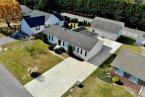
In 1983, the first of 36 historic buildings from the 18th and 19th centuries were relocated to the former playground, transforming the area into Shipcarpenter Square and signifying the closure of a site that had once served the community when it was needed most.
Panelists will discuss the Lewes Community Playground's impact at the LAAHC’s Black History Month event from 1 to 3 p.m., Saturday, Feb. 21, at Lewes Elementary. Admission is free.