












Lewes during the Revolution - Part 1
Editor’s note: This article is the first in a four-part series of excerpts from an upcoming book, “Lewes During The Revolution: 1774-1783,” that will appear monthly leading up to the semiquincentennial celebrations on the Fourth of July to highlight Lewes' role in America’s fight for independence.
As preparations began on both sides for the American Revolutionary War late in 1775, seizing Philadelphia became a priority for the British.
Philadelphia was home to the First Continental Congress. It was where the Declaration of Independence would later be written and adopted on July 4, 1776.
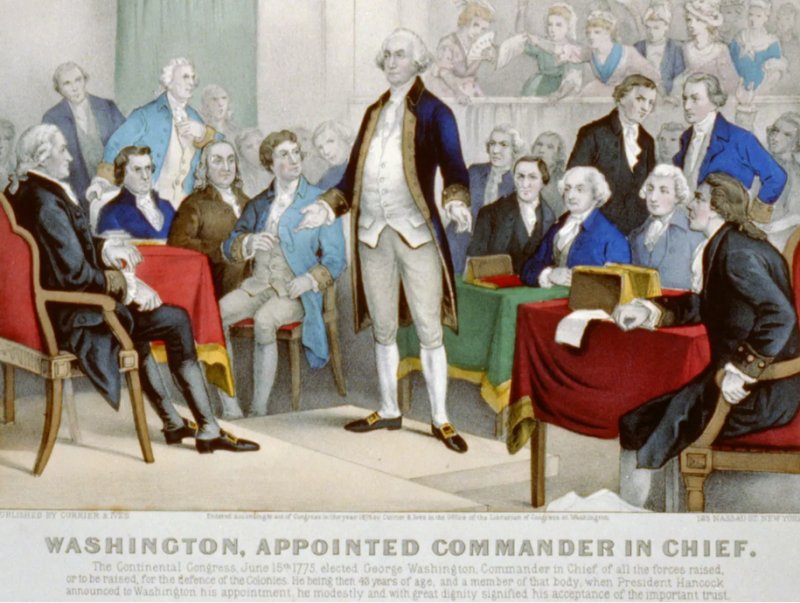
It was there that George Washington was given command of the Continental Army. Losing the seat of the revolution so early in the war would be a devastating blow to the rebels.
The fastest route to Philadelphia was by sail up the Delaware River. And there, at the gateway to the Delaware, was Lewes and its fleet of river pilots so essential to navigating the treacherous ways upriver. Now, in 1776, with British ships massing to blockade rebel transport of arms and soldiers, and preparing to invade Philadelphia, Lewes and its river pilots became a focal point for the approaching maritime struggle. At the center of that activity was Lewes native Henry Fisher.
Preparing for defense
To the leading merchants and members of the Pennsylvania Committee of Public Safety, Henry Fisher was the most well-known person and pilot in Lewes.
The committee, organized for the maritime defense of Philadelphia, summoned Fisher and instructed him, as a paid agent, to monitor the arrival of British Man of War vessels, and advise them, “by land or water, of the numbers of enemy ships and their force and manner of proceeding.”
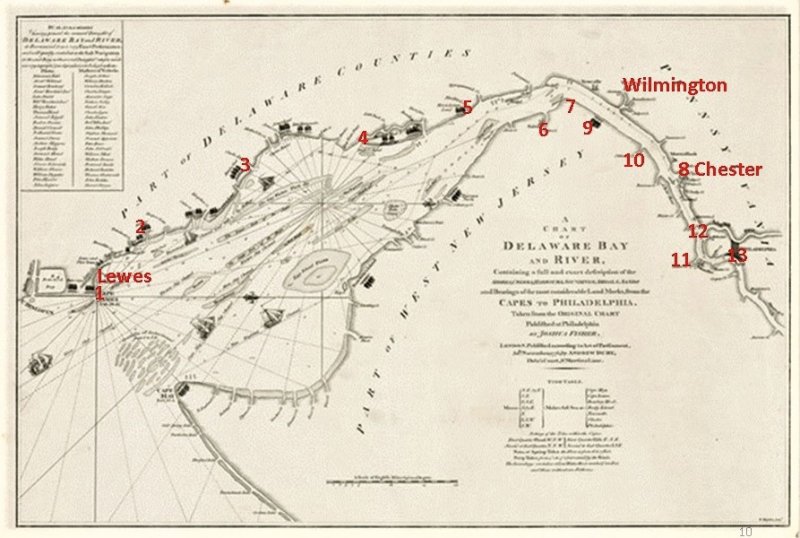
Fisher quickly established 13 stations along the coast, equipped with horses, boats and cannons, to relay messages between Cape Henlopen and Philadelphia.
The first lookout point was the Cape Henlopen Lighthouse, whose construction Henry Fisher had overseen in 1769, using funds raised from Philadelphia merchants.
As the Congressional Naval Agent at Lewes, Fisher would manage intelligence gathering, convey orders to departing rebel craft, accept and exchange prisoners, manage prizes seized, and greet visiting dignitaries.
Fisher was fast becoming Lewes’s most active and influential Patriot, a role he would continue throughout the war in numerous ways.
The Continental Navy assembles in Lewes
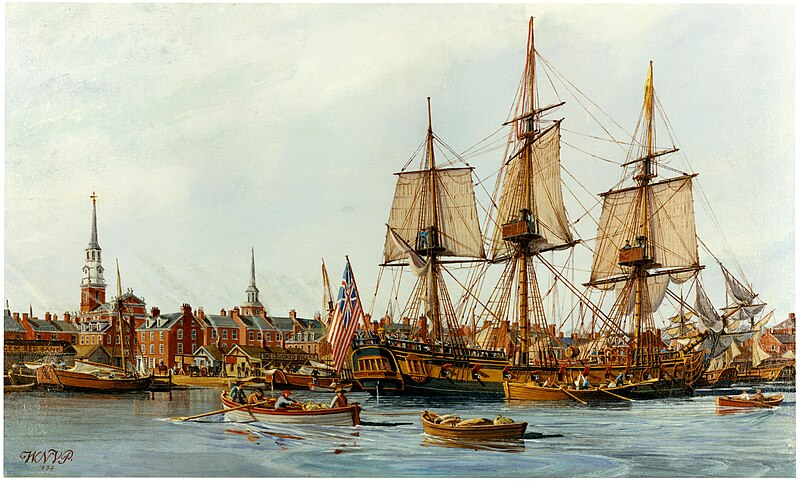
Late on Sunday afternoon, February 11, 1776, the first five ships of the Continental Navy sailed into Lewes Bay.
River pilots from Lewes had earlier taken them all, as merchant ships, to Philadelphia. Now they were refitted as war ships, the most impressive of which was the 30-gun flagship Alfred, painted black below the waterline with gold sides broken by gun ports with black trim.
Within the week, another ship arrived from Connecticut, and later, three more vessels came from Baltimore. The first American naval fleet was now assembled in Lewes, each ship flying on its stern the new flag Congress had just adopted as the Grand Union Flag.
The residents of Lewes had never seen ships of this size or number. They swarmed over the new bridge across the canal at the foot of Market Street to a high point where they could see the Navy at anchor. The weather was fine for February, in the 50s.
The largest was the 30-gun flagship Alfred with her shiny black and gold paint and moldings, flying the new Grand Union Flag with its thirteen stars from her stern.
The first lieutenants and midshipmen from the ships soon were in town with working parties of sailors to stock up on provisions from the Hugg General Store and Dodds ship chandlery. Among them was a short, wiry, handsome officer of the Alfred, First Lieutenant John Paul Jones.
In addition to provisions, the officers needed volunteers to fully man their ships, and they visited the taverns and walked the streets of Lewes looking for recruits. By drink or hook, they assembled men of all sorts, including vagrants, deserters, and several men serving time in the Lewes jail for minor crimes.
On February 17, the entire fleet departed Lewes under a “sharp northeast wind” as reported by John Paul Jones. The people of Lewes watched in awe as the masts of the square riggers, standing straight and tall, and the sloops, leaning into the wind, gradually shrank in size as they slipped over the horizon.