













Nearly $5 billion in state spending moves through Legislature
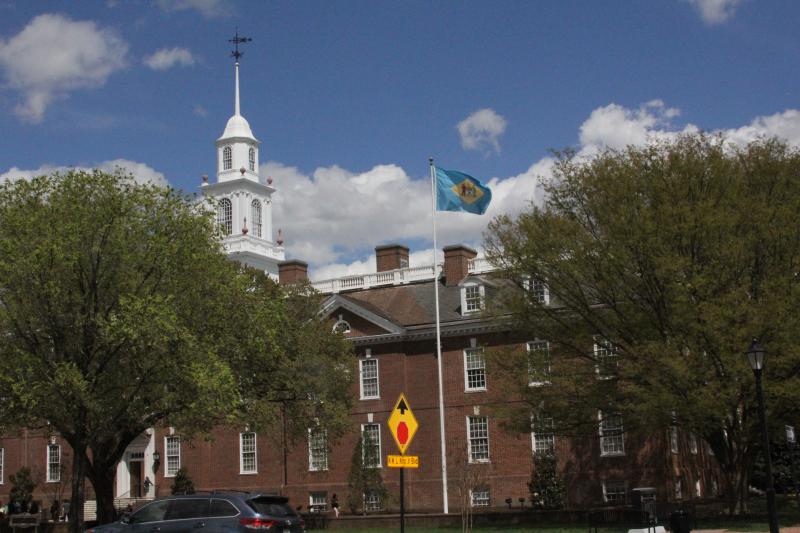
Two spending bills totaling nearly $5 billion were signed by Gov. John Carney June 30 after earlier approval by the General Assembly, giving raises to state workers, teachers and pensioners.
The operating budget laid out in House Bill 250 is $4.77 billion with another $221 million added in a supplemental bill, House Bill 251.
The fiscal year 2022 budget is about 5 percent higher than the 2021 budget, and passed the Senate June 24 by a 20-1 vote. The supplemental bill unanimously passed, giving state employees a one-time payment of $1,000 and pensioners a one-time $500 bonus, both expected in November.
“It's been phenomenal working with you,” said Sen. Ernie Lopez, R-Lewes, a first-year member of the Joint Finance Committee. “There was not one question that I didn't have answered.”
Sen. Dave Lawson, R-Clayton, said he has never seen a smoother run in the nine years he has served on the committee. Both the House and Senate had until June 30 to pass the budget, and for the second year in a row, the budget passed before the end-of-fiscal-year deadline.
With a looming $37 million drop in revenues forecast over the next year, Sen. Trey Paradee, D-Dover, who co-chairs the JFC, said they were able to increase a budget stabilization fund used to cover state expenses during economic downturns. The balance is now about $286 million.
The budget raises state salaries to at least a $15 an hour minimum, and gives all other employees at least a $500 raise. Teachers get a 1 percent raise, state pensioners receive a 1-3 percent increase depending on their years of service, and $20 million will go into the state's group health insurance plan to keep premiums down.
Items in the budget bills include:
• $17.2 million to increase reimbursement rates for direct support professionals serving adults with intellectual and developmental disabilities, fulfilling the promise of phased-in progress toward funding benchmarks established in the McNesby Act.
• $2.6 million to increase rates for home-based nursing care.
• $16 million for student mental health services, including $8 million to fully fund the placement of a mental health professional in every Delaware elementary school.
• $22 million in additional education Opportunity Funds to address the needs of low-income and English learner students.
• $10.2 million for the Redding Consortium to advance educational equity for students in the City of Wilmington and northern New Castle County.
• $4.3 million toward expansion of SEED and Inspire scholarships for Delaware students.
• $5.2 million to implement a statewide body-worn camera program for police officers.
• $1 million to fund a primary care physician loan repayment program.
• $1 million to implement a property tax credit for disabled veterans.

Melissa Steele is a staff writer covering the state Legislature, government and police. Her newspaper career spans more than 30 years and includes working for the Delaware State News, Burlington County Times, The News Journal, Dover Post and Milford Beacon before coming to the Cape Gazette in 2012. Her work has received numerous awards, most notably a Pulitzer Prize-adjudicated investigative piece, and a runner-up for the MDDC James S. Keat Freedom of Information Award.