













Rehoboth begins spring grease trap inspections for eateries
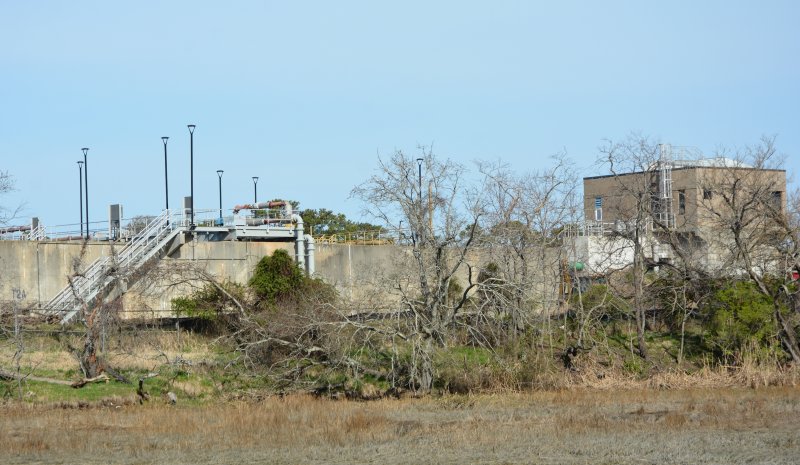
Rehoboth Beach staff conducted a city-wide inspection of restaurant grease traps last fall. That was the first time it was done.
This year, in an effort to get on an annual spring inspection cycle, the city began conducting another round of inspections at the beginning of April.
The idea is to conduct the inspections before the summer season so restaurants are in compliance going into the busiest period rather than addressing issues after it has passed, said Corey Shinko, director of the city’s planning, zoning and development department, in an email April 1.
In December, during a commissioner meeting following the fall inspections, Shinko provided an update to commissioners on how the program went – 60 of the city’s 64 restaurants that serve alcohol were inspected; 10 of the 47 food-only establishments were inspected; of the 70 total that were inspected, six failed.
Looking to address low participation the first time around, Shinko said the program has been restructured into a coordinated parallel inspection model for 2026.
Last year, code enforcement and wastewater staff conducted inspections jointly, which ensured consistency, but it also created scheduling issues that slowed overall coverage, said Shinko. This year, code enforcement will conduct permit-of-compliance inspections independently, while wastewater staff will conduct fat, oil and grease inspections on their own schedule, he said.
There’s a shared master list of all food-serving establishments and standardized checklists, said Shinko. Each team can work on its own schedule while the city maintains a single coordinated inspection record that will be updated weekly, he said.
City code requires the inspections.
If a restaurant is not available during an initial visit, staff will make additional attempts to gain access, said Shinko. If a business ultimately does not comply, it may be subject to enforcement action under city code, he said.
“The city’s approach is to achieve compliance through communication and coordination whenever possible,” said Shinko.
Don’t wash grease into sewer, stormwater pipes
In advance of inspections, the city announced on its Facebook page March 26 that its wastewater department had been running into more grease than usual in the sewer system, especially along Rehoboth Avenue. It’s already caused several blockages downstream, said the message.
“We do not always have an exact percentage, but what crews are seeing is enough grease accumulation to clearly stand out from normal buildup,” said Paul Hignutt, wastewater superintendent. “In these cases, the amount is significant enough to restrict flow and require maintenance or emergency response. It is not just a light coating inside the pipe; it is a level of grease that can create real blockage concerns.”
Depending on the size and location, it can take hours to free a grease blockage, said Hignutt in an email March 31. In some cases, he said, if the grease buildup is heavy or the blockage has caused backups upstream, it can take even longer because crews may need to jet the line, inspect the system and make sure flow is fully restored.
“Grease blockages are preventable,” said Hignutt. “We want to remind both residents and businesses that grease should never be poured down sinks or drains. Restaurants should stay on top of grease trap maintenance and keep records of pump-outs.”
It’s not just the city’s sewer system, as Hignutt said washing kitchen mats or equipment in the street is also prohibited. When fats, oils and grease are washed into the street, they can enter the storm drain system or remain on road surfaces, which contributes to bacterial growth, can negatively impact water quality and, in some cases, contribute to conditions that lead to beach closures, he said.
“Small steps taken upstream can prevent major problems downstream and help keep all the water flowing safely through our wastewater collection system,” said Hignutt.

Chris Flood has been working for the Cape Gazette since early 2014. He currently covers Rehoboth Beach and Henlopen Acres, but has also covered Dewey Beach and the state government. He covers environmental stories, business stories and random stories on subjects he finds interesting, and he also writes a column called Choppin’ Wood that runs every other week. He’s a graduate of the University of Maine and the Landing School of Boat Building & Design.