












Tattoo artist pathway introduced for Delaware inmates
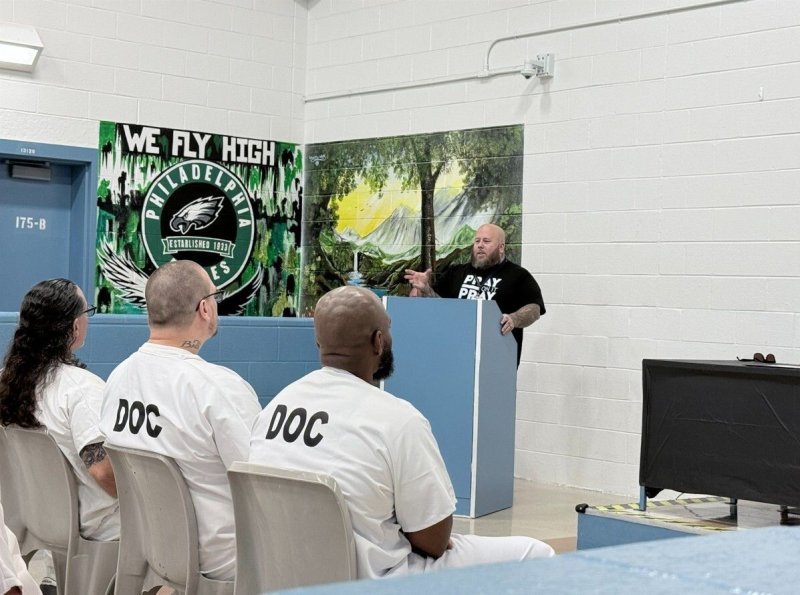
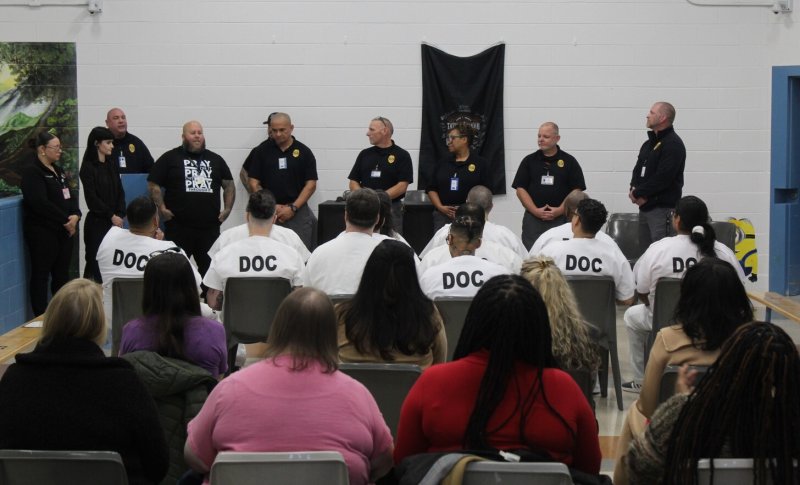
Six inmates from Delaware’s largest state prison are studying to become professional tattoo artists in the newest career pathway training program launched by the Delaware Department of Correction at James T. Vaughn Correctional Center.
The Tattoo Artist Career Pathway Program aims to set incarcerated individuals up for success when they return to the community, while also reducing the risk of infection and taxpayer costs of treating communicable disease that can be spread through unsanctioned and unsanitary tattoo practices among the incarcerated population.
“We recognize that tattooing is a part of prison culture, and we are concerned about the health risks that come from unsanitary tattooing inside the walls,” said Department of Correction Commissioner Terra Taylor. “The Tattoo Artist Career Pathway Program demonstrates our creative thinking to bring prison tattooing out of the shadows, create educational opportunities to build a practical career and prevent the spread of blood-borne diseases like hepatitis. This pilot vocational training program meets the built-in demand for prison tattoos in a safe, hygienic and supervised environment; creates new opportunities for incarcerated individuals to perform meaningful work; and supports our safety mission by creating incentives to keep inmate tattoo artists and customers out of trouble.”
DOC’s tattoo program gives incarcerated individuals with an interest in tattooing the opportunity to develop a marketable skill, achieve industry recognition and get practical hands-on experience. Tattoo artist student candidates must demonstrate artistic ability and are carefully selected among individuals who have taken responsibility for their crimes, demonstrated consistently good behavior and exhibited a strong commitment to their own rehabilitation.
Tattoo program students begin their training with 24 weeks of comprehensive classroom instruction and practice that emphasizes health and safety, proper use of tools, artistic design and tattooing technique.
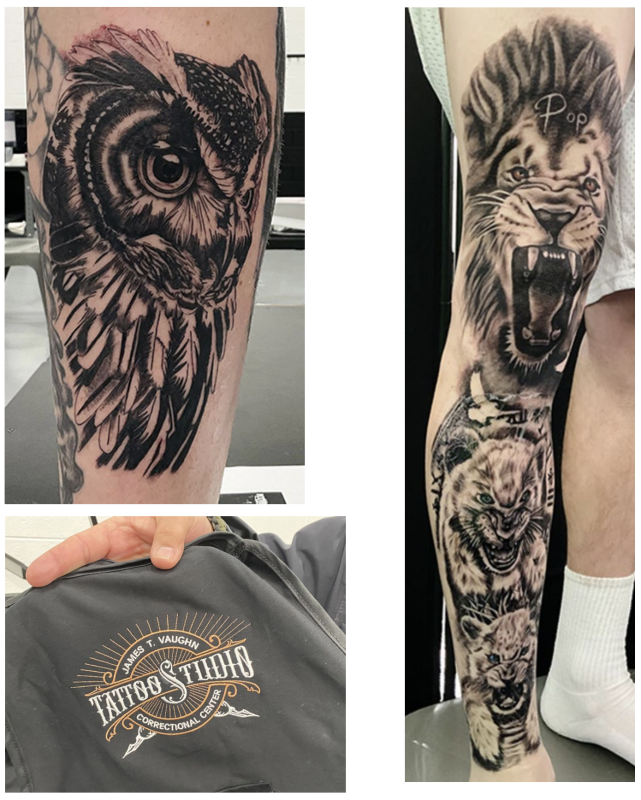
The first six students have completed their classroom training and have begun to ink tattoos for inmate customers in JTVCC’s tattoo studio, which is located in converted storage space on the prison campus. Inmate customers pay for their tattoos using personal funds.
The Tattoo Artist Career Pathway Program operates under the direction of the prison warden and the JTVCC Prison Arts team, with on-site staffing by correctional officers. It is led by licensed tattoo artist Larry Normile, owner of Artistic Additions tattoo studio in Dover. Normile brings 27 years of tattooing experience along with decades of professional mentorship and personal support for reentry initiatives that serve individuals in the criminal justice system.
The pathway program lasts 12 to 18 months, depending on the participant's pace of learning and skill proficiency, under the continual close supervision of tattoo program instructors and JTVCC security staff.
“I take my work seriously and am passionate about teaching, and I am excited about this opportunity to put my experience to work helping incarcerated men develop their skills, learn the value of work, and use their talents to achieve career and life success,” said Normile. “I have been impressed by the artistic ability, positive attitude and strong work ethic exhibited by our first group of tattoo artist students. I believe this program is already making a difference and is opening the door to second chances.”
Since the first class of inmate tattoo artist apprentices began serving the inmate population last month, 25 tattoos have been completed and 200 inmate customers are on the studio’s waiting list. Inmate tattoos must first be approved through clear procedures. Eligibility is open to inmates who have earned minimum- and medium-security classification who have had no significant disciplinary infractions within the past year. Eligible customers participate in an in-person consult with their inmate tattoo artist to collaborate on a tattoo design and to determine a sales price. Tattoo designs are reviewed by security staff to ensure they comply with standards relating to violence, symbols and gang affiliation. Tattoo costs are paid by customers, and payments received are split between the tattoo artist and the JTVCC tattoo studio to cover DOC's program and equipment expenses.
After completing their apprenticeship training, inmate tattoo artist students will continue working in the JTVCC tattoo studio serving inmate customers and building up their professional portfolio.