












Delaware Maritime Hall of Fame to induct six
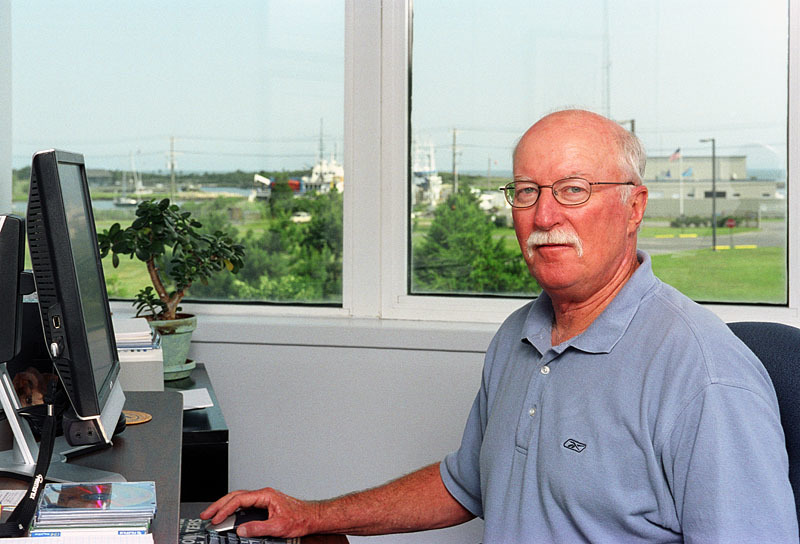
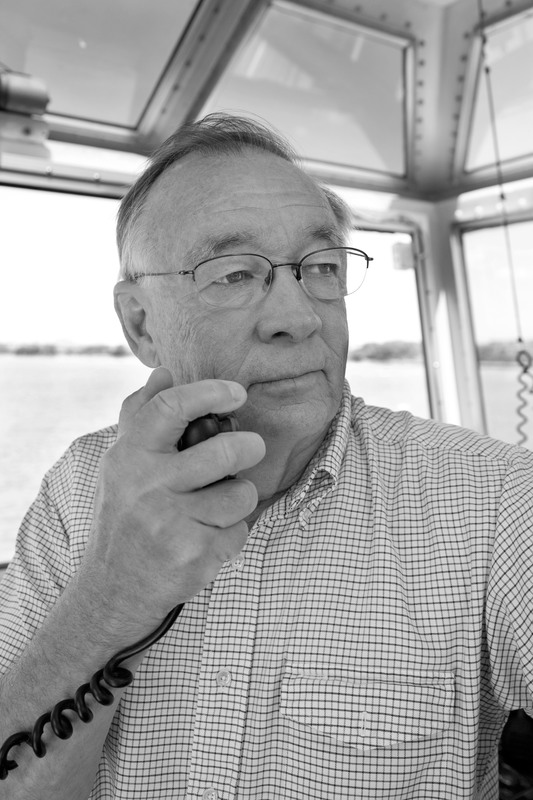
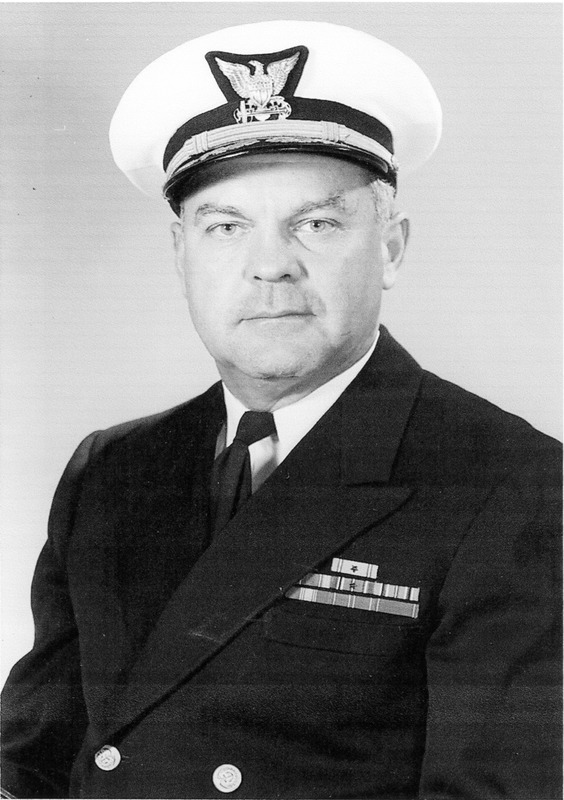
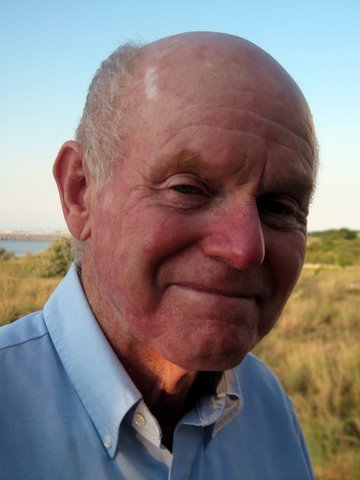
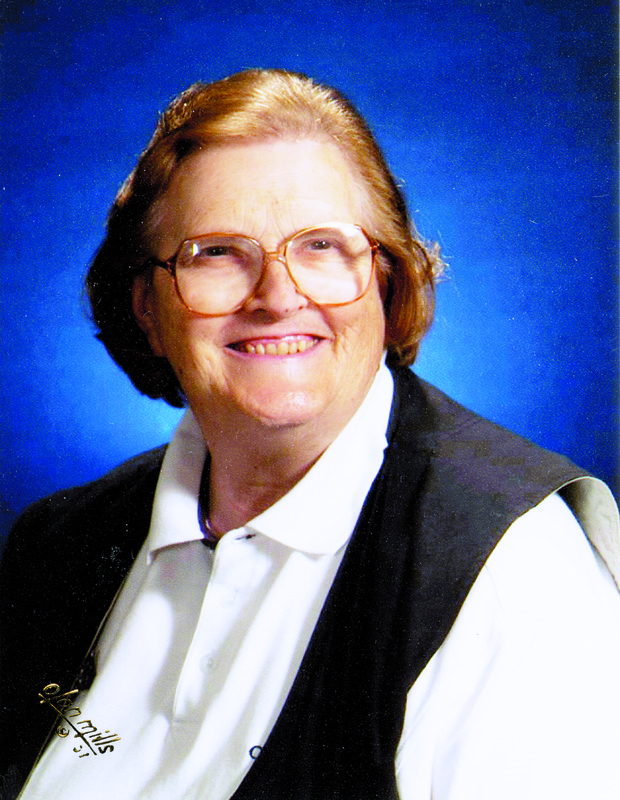
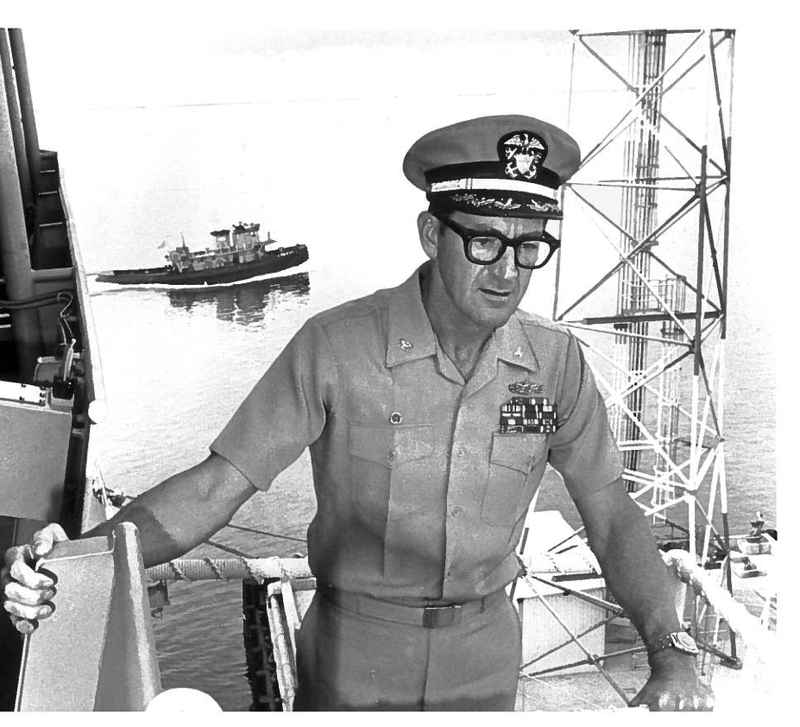
The Delaware Maritime Hall of Fame will induct its fifth group of honorees who have made significant contributions to the state’s maritime culture in varied ways.This year’s inductees would add six people to the hall of fame, which inducted its first group in 2007.
The event is at 6 p.m., Saturday, Oct. 8, at the Lewes Yacht Club. At press time, only a few tickets remained for the event. For ticket information, call Denise Seliskar at 302-542-6797.
This year’s inductees are:
George Elliott, born in Gumboro in 1937, grew up in Laurel. A 1959 U.S. Naval Academy graduate, Elliott served in the U.S. Navy for 30 years, commanded three ships and received numerous decorations including two Bronze Stars. He served two years in combat during the Viet Nam War. In 1985, he retired from the Navy with the rank of Captain.
During his naval career he earned a master’s degree in international affairs from George Washington University and studied at the Naval War College.
During a time of transition and growth with the historic Lightship Overfalls, he championed saving the derelict vessel. Elliott realized that the Lewes Historical Society needed help from an outside group to accomplish the mission.
As historical society president, Elliott elevated the organization to become one of the most respected city historical societies in the state.
He introduced a computer and software system to catalog and track the society’s maritime history collections. He also managed refurbishment of three historic home museums, and installed a permanent executive director for the society.
He also proposed an endowment fund and transferred ownership of the Lightship Overfalls to the Overfalls Foundation.
Elliott had a personal commitment to the lightship’s restoration and served on the Overfalls Foundation’s board of directors as treasurer and as manager of Overfalls’ ship guides.
The foundation restored the ship and recently earned U. S. Landmark status for the vessel.
Elliott’s selection is being inducted into the Delaware Maritime Hall of Fame honors his dedication to preserving maritime history, museums and landmarks.
He was married to Trennock Marvel of Lewes. She died in 2006.
Charles Epifanio was born in New York in 1944. Upon receiving his doctorate from Duke University, he joined the University of Delaware College of Marine Studies faculty in 1970.
Although he has worked with bivalves and fish, his passion is the blue crab, which supports major fisheries from New Jersey to Texas.
Blue crab fisheries in Mid-Atlantic bays were once believed to be separate entities with larvae produced in the bay of origin remaining there. As a result, fisheries in those bays were managed independently.
After two decades of research on the Delaware Bay and Atlantic Coast, Epifanio demonstrated that larvae were transported to the open ocean and may or may not return to their natal estuary.
For example, there is likely mixing of larvae from Delaware Bay and Chesapeake Bay. Some larvae are transported long distances.
He determined variation in river discharge and wind patterns controlled year-to-year variations in recruitment of young crabs. Epifanio and colleagues used mathematical models to simulate larval transport under a variety of discharge and wind conditions, allowing them to simulate effects of extreme weather events such as hurricanes and potential impacts of climate change on blue crab populations.
Epifanio has held administrative positions at the College of Marine Studies, including director of the Marine Biology-Biochemistry Program and associate dean of the college. He is currently interim director of the School of Marine Science and Policy.
Epifanio is an Endowed Harrington Professor of Marine Science, recipient of the University Graduate Mentoring Award, and has published more than 120 scientific articles.
Laurence Knapp was born in Lewes and graduated from Lewes High School. After graduation, he joined the U.S. Marine Corps and was honorably discharged following service in Korea in 1953-1954.
Knapp earned his Delaware and U.S. Coast Guard Pilot licenses in 1959 and obtained several other Coast Guard licenses. He has been a member of the Pilots’ Association for the Bay and River Delaware, where he served on its board of directors, and served as chairman of the apprentice training program.
Knapp is a member of the Lewes Historical Society and volunteers as a docent at the Cannonball House. He also volunteers on the Project Liberty Ship John W. Brown.
Many members of the maritime community have relied on his superior piloting skills.
In 1967, Capt. Harry Rowland, owner of Wilmington Tug, selected Capt. Knapp to assist him with docking and sailing of ocean-going vessels at the Port of Wilmington and other docks on the Delaware River. During his career as a docking pilot, Knapp has handled approximately 10,000 ships.
“The success of Wilmington Tug and growth of the Port of Wilmington is due in no small measure to the skill and hard work contributed by Capt. Knapp,” Rowland said. The Port of Wilmington is vital to Delaware’s commerce. Without skilled pilots to ensure safe passage of ships from the mouth of the Delaware Bay to the northern part of the state, Delaware’s commerce would not be as vigorous as it is. His skill and success are the basis of Knapp’s induction into the Delaware Maritime Hall of Fame.
Mary Emily Miller was born in Wilmington in 1934 in a family that was active in maritime activities. In 1971 while at the University of Delaware, she wrote an article about Frederica that was published by Delaware History.
While at Boston University, she wrote her doctoral thesis, ‘The Delaware Oyster Industry,’ which was also published in the 1970s by Delaware History. Miller’s articles remain valid references, as illustrated in 2007 by U. S. District Court citations in the court case of New Jersey v. The State of Delaware.
Miller has taught maritime history at Salem, Mass., Elder Hostel in Rehoboth Beach and Southern Delaware Academy of Lifelong Learning. She has drawn attention to long forgotten portions of Delaware’s history and people by emphasizing local history in maritime affairs.
Miller received the Methodist College Medallion in Fayetteville, N.C., which recognized her 35 years of distinguished service to teaching.
She also received The Delaware Small Business Longevity Award, and has received commendations on the 325th anniversary of her family’s farm. Miller has been an active crewmember and docent aboard Delaware’s tall ship Kalmar Nyckel.
She has been a role model and has had lasting influence on her students and, as a philanthropist, has provided scholarships for many of them.
Miller’s induction into the hall of fame is based on her talent as a researcher, educator and writer in the field of Delaware maritime history.
Hick Rowland Jr. is a business owner and river pilot. He is an entrepreneur and visionary leader who founded or co-founded several businesses and organizations that have been crucial to the success of Delaware Bay shipping.
Under Rowland’s leadership, Wilmington Tug built the first azimuth stern drive tractor tug in the United States to address the challenge of docking roll-on / roll-off car ships that called at the Port of Wilmington.
Azimuth stern drive tugs are fitted with steerable nozzles that can be rotated 360 degrees to provide thrust in any direction without a rudder.
These safer tractor tugs have become the industry standard in the ship-assist business throughout the United States.
Wilmington Tug operates the largest commercial tractor tug fleet on the East Coast. As president, Capt. Rowland expanded Wilmington Tug Company from a one-tugboat operation to the largest ship-assist tugboat company of the Delaware River, operating from bases in Wilmington and Philadelphia.
In 1973, Rowland founded Delaware Bay Launch Service to assist tankers performing lightering operations. Lightering tankers pump oil from supertankers to reduce a vessel’s draft so they can enter ports unable to accept large, ocean-going ships.
In 1983, Rowland co-founded Marine Lubricants Inc., the largest supplier of engine lubricants for ships that call on the Delaware River.
Bringing in hundreds of ships per year, Rowland saw firsthand the need to build a Seaman's Center in Delaware. In 1990, he recruited community members, corporations and Port of Wilmington Maritime Society to establish the center.
Under homeland security regulations, volunteers provide mandatory escorts allowing seafarers to get off ships. Without escorts, mariners would not be allowed ashore.
Rowland’s dedication to safety, commerce and preservation of maritime history are reasons he is being inducted into the hall of fame.
Harry Frazer is 2011 Delaware Maritime Hall of Fame’s Meritorious Award recipient. Capt. Frazer was the first Delawarean to graduate from the U. S. Coast Guard Academy. During his 34-year Coast Guard career, Frazer was respected for his leadership as a commanding officer. His junior officers gained confidence and experience under his guidance.
In 1973, when the Lightship Overfalls arrived in Lewes, Frazer stood on her bridge as master seaman and Coast Guard representative. He earned nine medals throughout his Coast Guard career.
Frazer was well respected for his initiatives to improve safety on Delaware’s waters, and wrote a pamphlet about maritime safety, ‘Your Holiday Unmarred by Accident.’ He was selected to serve on several committees, with missions to improve lifesaving rescues, maritime safety and Coast Guard law of the sea.
Upon his retirement in 1971, Harry and wife Estella Beebe Frazer, daughter of Beebe Hospital co-founder Dr. Richard C. Beebe, returned to his boyhood home in Lewes.
Harry died in 2002. He had a funeral with full military honors, including 34 honor guards from Arlington National Cemetery escorting his flag-draped casket upon a horse-drawn caisson, as seven sailors waited graveside to honor him with a 21-gun salute.