












Nitrates still too high in Indian River Bay watershed
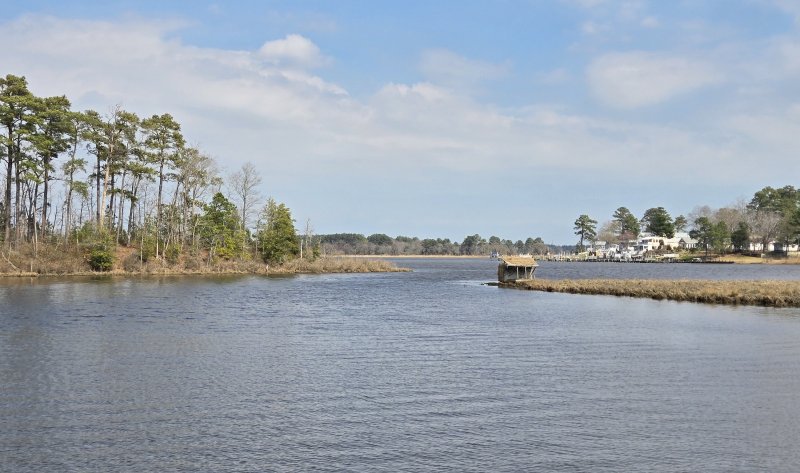
A recently completed reassessment of the water quality in the Indian River Bay watershed shows there have been modest improvements over the past couple of decades, but nitrate contamination persists.
Findings from this resampling demonstrate that, while overall groundwater quality in the surficial aquifer has remained relatively stable over the last two decades, nutrient enrichment – particularly nitrate – continues to affect portions of the watershed, primarily in areas dominated by agriculture or septic influence, said June Hazewski, the Department of Natural Resources and Environmental Control hydrologist who conducted the resampling, in her report.
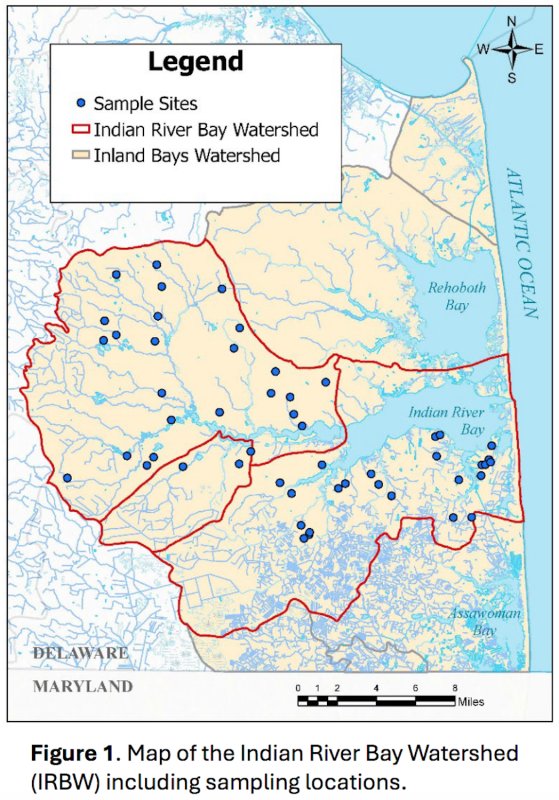
The 2024-25 study reassessed groundwater quality within the Columbia aquifer of the Indian River Bay watershed by comparing results from domestic wells originally sampled between 2001 and 2003.
The previous study provided an essential baseline for understanding groundwater quality in the watershed, said Hazewski. However, she said, changing land use, agricultural practices and nutrient management methods over the past two decades, paired with the susceptibility of unconfined aquifers to contamination, underscored the need for a reassessment.
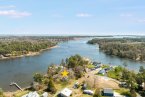
The watershed encompasses about 188 square miles. Its hydrology is characterized by a network of tidal and nontidal streams that incise the surficial aquifer, along with several millponds and an extensive drainage ditch system. The watershed is tidally influenced by Rehoboth Bay to the north, Little Assawoman Bay to the south and the Atlantic Ocean to the east.
This study evaluated current conditions and trends by reassessing groundwater quality within the bay's watershed. Between 2001 and 2003, data was collected from 255 wells. In 2024, data was collected from 51 wells.
Notable findings include increased sodium concentrations and a slight decrease in nitrate concentrations in groundwater in the watershed, said Hazewski in an email March 19.
Specifically, of the samples collected in 2024, 23.5% exceeded the Environmental Protection Agency’s health advisory level of 20,000 micrograms per liter, compared to 10% in the original study, said Hazewski. On the other hand, she continued, nitrate concentrations have decreased slightly over that time period, with almost 75% of the wells sampled in 2024 now showing concentrations below the EPA’s primary maximum contaminant level of 10 milligrams per liter compared to 68% in 2001-03.
“These results provide critical long-term data for evaluating the effectiveness of nutrient management practices and for supporting ongoing efforts to protect groundwater resources and surface water quality in Delaware’s Inland Bays region,” said Hazewski.
In the report, Hazewski notes the major point sources of nutrient contamination in the Inland Bays were effectively revealed in 2018 when Rehoboth Beach went from discharging effluent into the canal to the ocean, which means the observed nutrient contamination in the Indian River Bay watershed is attributable to nonpoint sources. Overall, she said, these findings underscore nitrates’ continued dominance as the key nutrient impacting groundwater quality in the watershed.
Concentrations of ammonia and phosphorus in the Indian River Bay watershed remain generally low, said Hazewski.
The reassessment was included as an appendix in the state’s 2026 Combined Watershed Assessment Report. The integrated report is required by the federal government’s Clean Water Act.
The report is published biennially and gives a comprehensive review of Delaware’s overall water quality and stream impairments, said Michael Globetti, DNREC spokesperson. The purpose of the report is to document Delaware’s water quality assessments, identify which waters do not meet water quality standards and list those waters not meeting water quality standards as impaired, he said.
The draft report is available for review on DNREC’s website. Comments are being accepted until Monday, April 6. Electronic submissions are preferred and can be sent to SurfaceWQS@delaware.gov.

Chris Flood has been working for the Cape Gazette since early 2014. He currently covers Rehoboth Beach and Henlopen Acres, but has also covered Dewey Beach and the state government. He covers environmental stories, business stories and random stories on subjects he finds interesting, and he also writes a column called Choppin’ Wood that runs every other week. He’s a graduate of the University of Maine and the Landing School of Boat Building & Design.