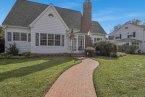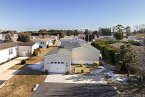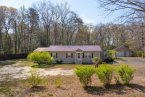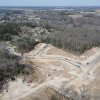













From the road, Sussex still looks familiar. Green enough. Open enough. Comforting enough to make us believe we have time. But the land tells a faster story.
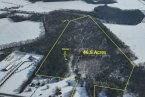
In under 25 years, 43,000 forested acres vanished: our lungs, our shade, the architects of clean water. Not in one dramatic moment, but through a quiet unraveling, approval by approval, until forests became thin screens of trees hiding what’s gone.
And the marshes are slipping away too. A total of 481 acres of wetlands lost in a decade in the Inland Bays watershed. The rest drowning in place, caught between rising tides and development that leaves them nowhere to move.
The bays we love? A D for water quality. A grade with no spin, just evidence the system is strained.
Sussex County (finally) considers a forest ordinance. But the pattern holds: small, slow steps meant to quiet frustration without changing the trajectory. Just enough to appease, never enough to disrupt the machine.
That pace, always behind, puts us at risk. A land changing faster than the policies meant to protect it. Baby steps that can’t stem the tide already at our feet.
At some point, the county must stop moving to the rhythm of special interests and remember the public is an interest too.
We need bold action, not gestures – a real portfolio of protections scaled to what’s being lost: forests, marshes, water quality, and the resilience of the land itself.
The problem isn’t anyone saying all is fine. It’s decisions made as if all is fine, as if losses aren’t accelerating, as if the trend isn’t the trend, as if the land can absorb one more approval.
We move forward like nothing is strained, like forests aren’t thinning, like marshes aren’t drowning, like a D for water quality is something we can outwait.
It’s the gap between what we know and how we act that puts us at risk.
If we want clean water in 2050, marshes that still protect us, forests that still function and wildlife that isn’t just a memory, we can’t keep assuming someone else will fix it. No one else is coming. Slow walking is how we lose what’s left.
Plant differently. Landscape differently. Speak up more often. Lean hard on those making decisions and ask more of them.
When they say change takes time, remind them bulldozers don’t. The bays and forests don’t need patience. They need urgency. Now.
-

A letter to the editor expresses a reader's opinion and, as such, is not reflective of the editorial opinions of this newspaper.
To submit a letter to the editor for publishing, send an email to viewpoints@capegazette.com. All letters are considered at the discretion of the newsroom and published as space allows. Due to the large volume of submissions, we cannot acknowledge receipt of each submission. Letters must include a phone number and address for verification. Keep letters to 400 words or fewer. We reserve the right to edit for content or length. Letters should be responsive to issues addressed in the Cape Gazette rather than content from other publications or media. Letters should focus on local issues, not national topics or personalities. Only one letter per author will be published every 30 days regarding a particular topic. Authors may submit a second letter within that time period if it pertains to a different issue. Letters may not be critical of personalities or specific businesses. Criticism of public figures is permissible. Endorsement letters for political candidates are no longer accepted. Letters must be the author’s original work, and may not be generated by artificial intelligence tools. Templates, form letters and letters containing language similar to other submissions will not be published.