












Equalization funding discussed at special legislative meeting
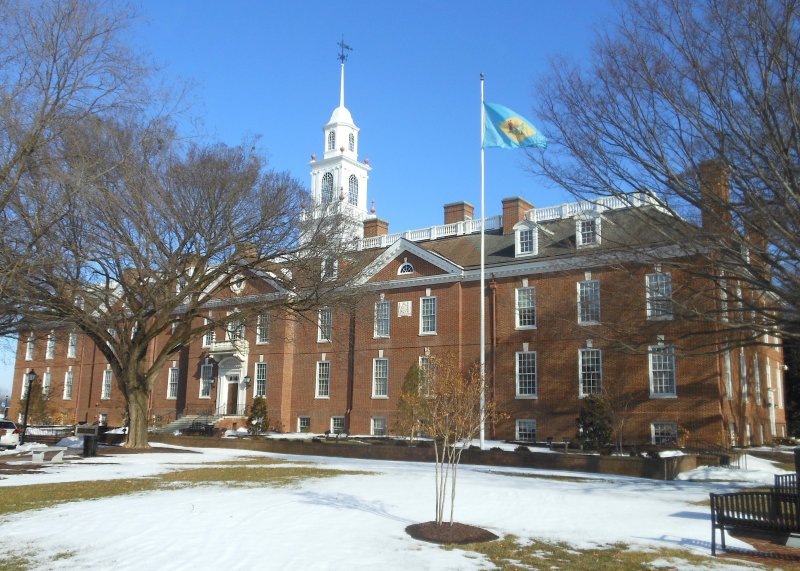
Bringing back funding to help less-wealthy school districts compete with their richer counterparts was discussed Dec. 15, during a meeting of the Senate and House Special Property Reassessment Joint Committee.
Equalization funding had long been used to help school districts achieve financial parity, but in 2009, the state did away with the pool of money over property assessment concerns.
Now that statewide property reassessments have been completed for the first time in decades, educators attending the special committee said equalization funding should now be addressed.
“There has to be some recognition that some districts are able to sufficiently provide for their own educational services without any state subsidy,” said Emily Falcon, chief operating and financial officer for the Colonial School District and president of the Delaware Association of School Administrators.
Wealthy school districts such as Cape Henlopen and Indian River have large resident populations and vibrant business communities that contribute to their financial stability. With them, a penny tax rate increase goes a long way in allowing them to raise thousands of dollars. They have enough of a tax base whereby the revenue they can generate does not overburden taxpayers and provides for a sufficient educational set of services, Falcon said. For a district such as Delmar, Cape’s penny increase is 40 times what Delmar can raise.
“The Cape Henlopens of the world are wealthy enough to be self-sufficient,” Falcon said.
However, Taylor Hawk, director of legislative and political strategy for the Delaware State Education Association, said any decision made on equalization must include a hold harmless clause so wealthier school districts are not penalized by getting less money than what they already receive for educational services.
Nick Johnson, director of operations for Polytech School District and treasurer for DASA, said school officials are working on a package that will be submitted to the General Assembly in April to address redistributing funds to school districts that need it.

Melissa Steele is a staff writer covering the state Legislature, government and police. Her newspaper career spans more than 30 years and includes working for the Delaware State News, Burlington County Times, The News Journal, Dover Post and Milford Beacon before coming to the Cape Gazette in 2012. Her work has received numerous awards, most notably a Pulitzer Prize-adjudicated investigative piece, and a runner-up for the MDDC James S. Keat Freedom of Information Award.