












Mixed results in Rehoboth’s first city-wide grease trap check
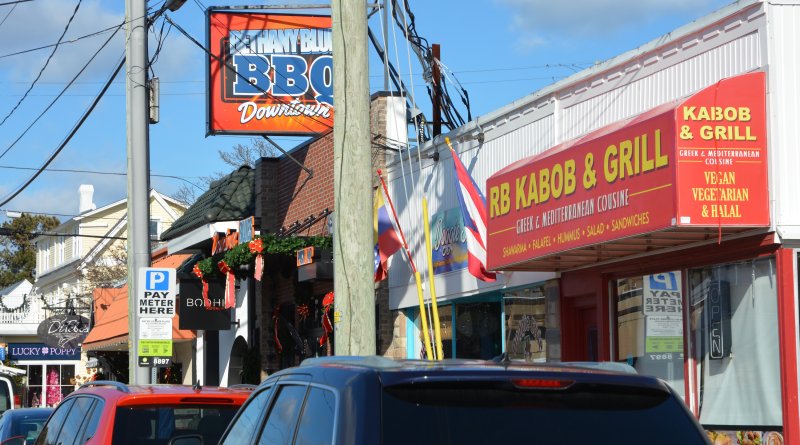
In an effort to ensure the city’s eateries are compliant with code, Rehoboth Beach announced earlier this year it would conduct its first city-wide inspection of grease traps and permits of compliance.
Corey Shinko, director of the city’s planning, zoning and development department, provided an update on the initiative during a commissioner meeting Dec. 19. Results were mixed. Of the city’s 111 restaurants, 70 were inspected, and 64 passed.
Shinko said 60 of the city’s 64 restaurants that serve alcohol were inspected. Of those, five failed, and the city is working with them to rectify the issues, he said. Shinko added that 58 of the 60 restaurants were also inspected for grease traps and all passed.
There are 47 food-only establishments in the city, but only 10 of them were inspected, said Shinko. Of those, only one failed, he said.
Commissioners had no questions or comments after Shinko’s presentation.
Following the meeting, Shinko said the lower inspection rate for food-only restaurants reflects how the program was initially rolled out. This was the first large-scale inspection effort in many years, and because of that, staffing and access limitations affected how many food-only locations could be reached during that initial period, he said.
The inspections for food-only eateries are limited and routine, said Shinko. The focus was primarily on confirming that grease maintenance logs are up to date and that collected grease is being stored in proper containers, rather than a full operational or building inspection, he said.
“While the city’s objective is to inspect all food-serving establishments, inspection coverage depends on operational access,” said Shinko. “The city will make every reasonable effort to reach all locations, including follow-up visits for establishments that are closed or unavailable during initial inspections.”
When a restaurant does not pass an inspection, the city issues a written notice identifying the specific issue and what needs to be corrected. The restaurant is generally given 15 days to correct issues identified and a follow-up inspection confirms compliance.
For grease-trap compliance, issues are typically administrative or maintenance-related, such as missing or incomplete service logs, overdue clean-outs or improper grease storage, said Shinko. For permit-of-compliance issues, he said, more serious or repeated violations can result in suspension or revocation, but the code is structured to allow correction before enforcement escalates.
“Because this inspection program was reintroduced after many years, the city’s focus has been on education and bringing establishments into compliance,” said Shinko.
In the future, a more coordinated, advance-scheduled approach will significantly improve overall inspection coverage, said Shinko.
The annual inspections are important because they allow the city to move from a reactive approach to a preventative one, said Shinko. When grease-trap maintenance and documentation are reviewed regularly, small issues can be identified and corrected early before they lead to larger operational or infrastructure problems, he said.
“A consistent annual cycle also benefits restaurant owners by setting clear expectations and creating a level playing field,” said Shinko. “Over the long term, that consistency improves compliance, simplifies recordkeeping and reduces the likelihood of more serious enforcement issues.”


Chris Flood has been working for the Cape Gazette since early 2014. He currently covers Rehoboth Beach and Henlopen Acres, but has also covered Dewey Beach and the state government. He covers environmental stories, business stories and random stories on subjects he finds interesting, and he also writes a column called Choppin’ Wood that runs every other week. He’s a graduate of the University of Maine and the Landing School of Boat Building & Design.