












Sussex council discusses master planned zone
Assistant Sussex County attorney Vince Robertson and planning & zoning staff have spent months working out details for a new Master Planned Zoning District.
After making a presentation at the Oct. 12 Sussex County Planning & Zoning Commission meeting, several amendments were added to the ordinance.
Those were included in a presentation to Sussex County Council Oct. 17. Council voted to extend the public comment period by 10 working days until Tuesday, Oct. 31.
The ordinance was approved by the planning & zoning commission with the amendments.
“This is not for everybody, but it's a useful tool for the county and developers,” Robertson said. “It gives you an opportunity for a better project for the county, DelDOT, the public and the developer, with much more flexibility.”
While some representatives of grassroots organizations said they agreed with the concept of master planning, they urged county council to hit the pause button and take more time to consider the ramifications of the ordinance.
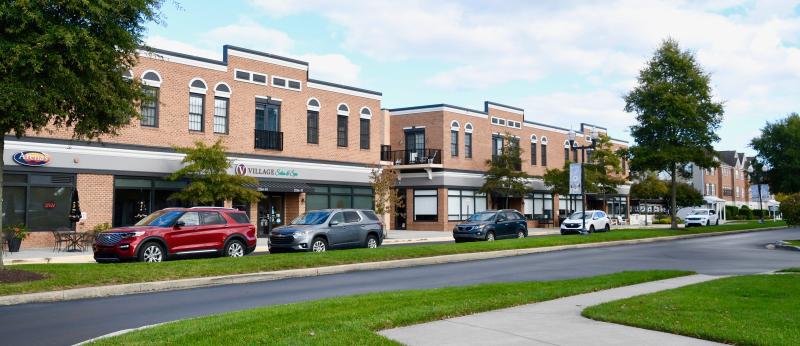
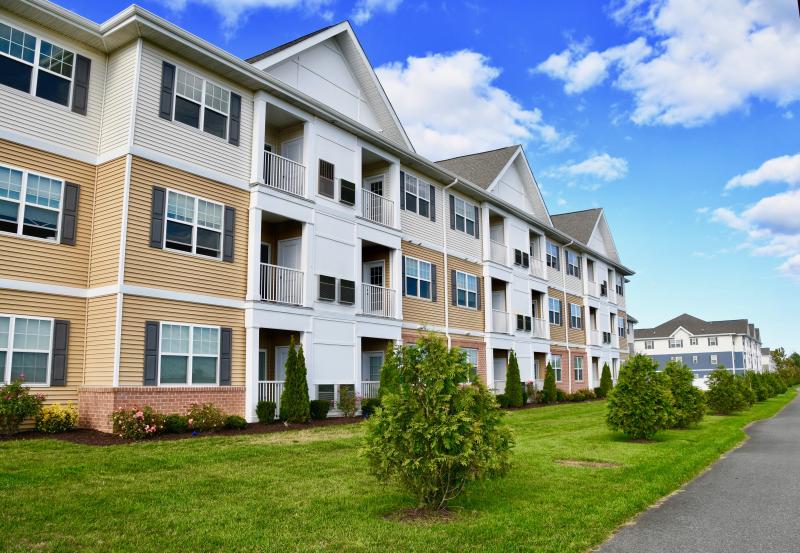
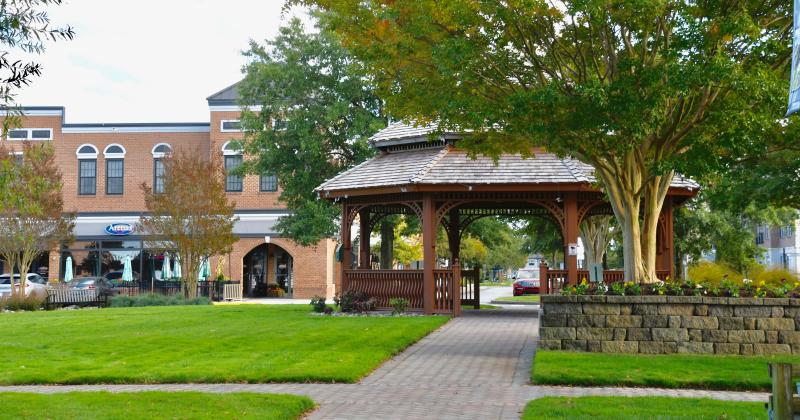
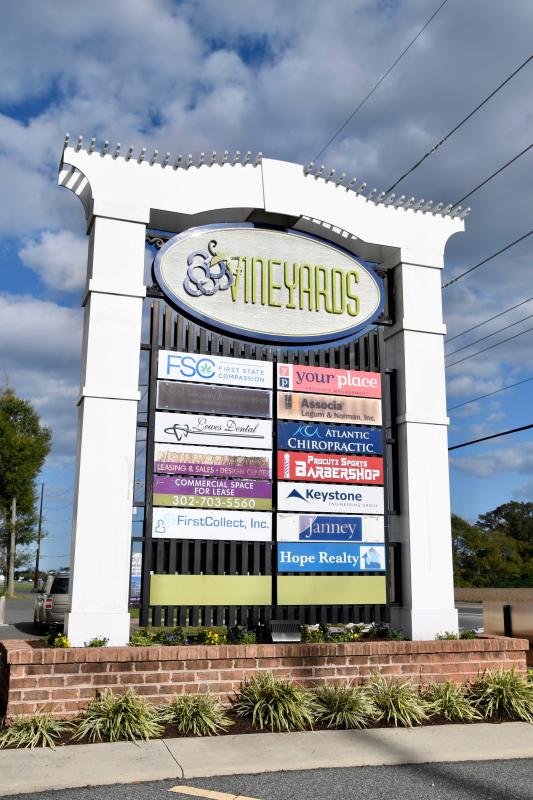
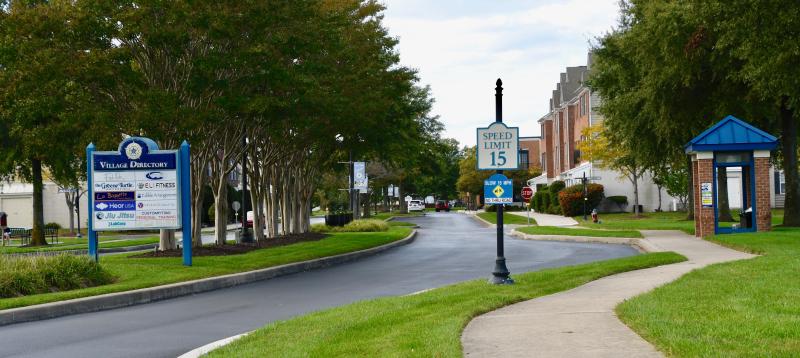
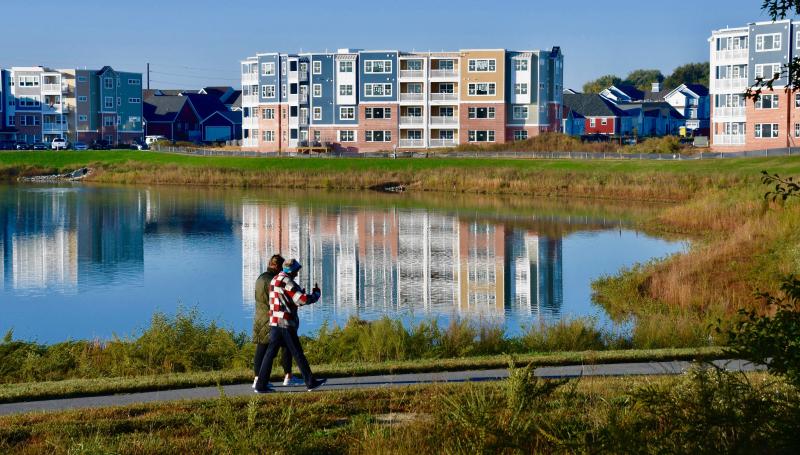
In the Lewes area, Villages of Five Points and Vineyards are examples of what a master planned district project could look like. They are both large projects with mixed uses.
About the district
The new zoning district would only apply to developments of 200 acres or more with mixed residential and commercial uses. The district would require only one rezoning application instead of thr multiple applications now required for mixed-use developments.
The zone would provide for up to 12 units per acre for residential, as well as commercial, professional and office space, and civic development on one tract of land with interconnectivity within the development and with state roads. Open space would also be a component of the zone.
Robertson said more flexibility for design and density would be permitted in the new zone.
Rezoning a parcel into the district would be a four-step process: pre-application meetings with staff; planning & zoning commission and county council public hearings; administrative review of the plans; and site-plan review by county and zoning staff.
County council would have the option to amend the conditions of approval.
During the application process, among other submissions, a developer would be required to provide a master plan manual describing existing natural features, nearby developments, road circulation, housing types, density, open spaces, accessory structures with landscaping, stormwater management, lighting and signage design plans.
Instead of having multiple and separate subdivision applications, separate conditional applications for multifamily, and then another application for commercial zoning districts, it could all be consolidated into one application in one integrated project with interconnected roadways and sidewalk-path systems, and open space.
Twenty percent of the residential units must be set aside as affordable/workforce housing.
Robertson said it would be up to county council to determine minimum acreage and open-space percentage in the proposed zone. In addition, he said, design within a project should incorporate walkability.
“This zone provides the most discretion the county has ever had on a development. It's a micro-level master plan,” Robertson said, adding staff and planning & zoning will have to put a stamp on what it may look like. “And you get to control that.”
Commission's amendments
Among the amendments proposed by the commission:
• Clarification that residential uses are not just centrally located, but also can be constructed along main roadways that support higher-density housing
• Prohibition of the drive-through commercial ban to allow for cases such as drive-through pharmacies
• Allow for off-street residential parking (and not just behind residential units) that is screened from rights of way and non-commercial uses with landscaping
• Clarification that major arterial roads and collector streets must meet DelDOT road standards and be state maintained. All roads and streets must be dedicated to public use.
Robertson said the mandatory 20% of affordable multifamily units utilizing the county's affordable rental program could be a hindrance to using the zone.
He said the commission still wants the provision of at least 20% affordable units, but a developer can present another option to achieve that.
“It would not be specifically tied to the county program, but it must be detailed in the master manual and meet the intent of the county program. Come to us with something similar. This provides some flexibility,” he said.
Robertson said the commission agreed that the zone should be available in Levels 3 and 4.
The state has developed strategies for state polices and spending using levels. Level 1 – urban growth areas near town centers; Level 2 – growth areas in less developed areas; Level 3 – long-term growth areas or environmentally sensitive or preserved areas adjacent to Level 1 and 2 lands; Level 4 – natural areas for farm uses, open space and private conservation lands. The state does not support road improvement funds in Level 4 areas.
Can be viable tool
Attorney David Hutt, who has represented several developers in numerous subdivision and rezoning applications, said, “I'm concerned this tool sits there, collects dust and is never used. There have to be guardrails for developers to work within.”
Hutt said the eligibility where the zone can be applied, which includes four future land-use map growth zones, should be expanded to areas where infrastructure is available. Most of the growth zones are on the eastern side of the county. “Western Sussex County would be left out of this zone,” he said.
He said he supports the commission's amendment concerning affordable housing units.
Hutt said the requirement that at least 20% of the parcel must be devoted to non-residential uses is problematic. He said on the 200-acre parcel used in the county's presentation, that would equate to 40 acres of non-residential uses, including offices, civic buildings, medical offices, cultural uses, recreation uses and buildings such as libraries and churches, or 400,000 square feet, which is unrealistic. Civic uses are capped at 10%.
He said the percentage should be modified or deleted.
“If you don't remove the percentage, the tool wouldn't be used,” he said. “This needs to be created in a holistic, regional fashion to the benefit of the county and the residents.”
Councilman Mark Schaeffer said the percentage illustration was sobering. Robertson replied that it can be modified. “This has been years under consideration. Our discussion is on the draft stage. We realized the numbers could be changed after it was introduced,” he said.
He added that any of the numbers in the ordinance could be changed.
Hit the pause button
Sussex Alliance for Responsible Growth representative Jeff Stone said, “There are a lot of issues here. We urge you to hit the pause button on finalizing this legislation. It's not as detailed as it needs to be to be successful. The process must not be hurried and not left up to interpretation. More time is needed by staff and the public to do a deeper dive into the ramifications of this. It has tremendous potential to improve Sussex County.”
SARG supplied a detailed position paper on the proposed zoning district to officials.
Jeff Sedmans of Milton said he supports the concept but has grave concerns about the details. He said he's concerned about the “minimize impact on the environment” included in the ordinance.
“With the gift of 12 units per acre, there could be more government language preserving forest land,” he said.
In addition, he said, allowing the zone in Levels 3 and 4 would only exacerbate traffic stress, and those levels should be deleted, allowing the zone in Levels 1 and 2.
“This needs proper vetting or it can be a detriment to Sussex County,” said Jill Hicks, representing the Sussex Preservation Coalition.
She also urged council to defer action.
Hicks said several of the recent workshop initiatives, such as superior design and open space, are included in the district.
“You can't get ahead of the five initiatives that contain the same vague language. Elements like open space, perimeter buffers and forest preservation, you need to take care of first. They must be part of the code when the MPZ is approved,” she said.
She said if the district was approved first, amendments would be required. “That's counterproductive and not good use of time and taxpayers’ dollars,” she said.
Hicks urged council to stay clear of words like “shall” in the ordinance. “Those words are bulldozed by the developers. Language is so important,” she said.
Hicks said the ordinance needs stronger mandates for workforce housing and should only be permitted in Levels 1 and 2.
Eul Lee, representing Sussex 2030, said she supports the intent to provide more pedestrian-friendly, walkable and bikeable design standards.
But, she cautioned council to be careful how mixed-use development is allowed. “What happens is that traffic magnets can be created that bring traffic from outside,” she said.
Lee used the Villages of Five Points as an example. She said local residents can't support businesses such as CVS and Weis and need shoppers from outside the development.
She said good roads should be in place first before a district is created. “And infrastructure also includes schools,” she added.
She said provisions for public transportation and a path forward to tap into affordable housing grants should be included.
Council will place the proposed ordinance on a future agenda.