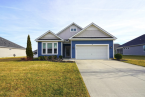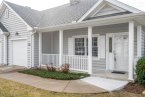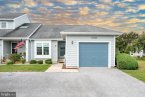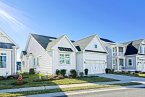













It is apparent that the excellent groundwater recharge and sea level rise ordinances, as well as the existing ordinance (197-75), are not based on sound science and facts relevant to Lewes Beach. The sea level rise ordinance, as initially proposed, limits lot coverage to 60 percent, but commissioners are now urging that lot coverage be 50 percent.
At the last meeting a commissioner immediately advocated that the lot limitation in the groundwater recharge ordinance be limited to 50 percent. His reasoning was less coverage seems better. The other commissioners agreed. There was no reference to any scientific finding that 50 percent lot coverage was more beneficial than 60 or 65 percent lot coverage. Nor was there any discussion on the severe impact this determination would have on property values.
At least, for the most part, no water from properties on the beach is discharged into the bay and canal. In fact, the canal floods during storm events and discharges water from the canal into the marsh and area properties. Most of the beach area consists of sand which readily absorbs water from any rainfall. The beach also has significant marshes and wetlands which filter pollution from runoff, capture carbon and store water during flood events.
There are large numbers of trees and shrubs on the beach which enhance soil porosity and infiltration, improve dissolved nutrient and hydrocarbon removal, and most significantly, reduce flooding. Indeed, large groups of trees lumped together exponentially reduce runoff.
Moreover, the city owns significant rights of way that contain numerous trees and shrubs. Current efforts to remove trees and shrubs from city rights of way should be halted.
If, as stated, a significant purpose of the ordinance is to preserve groundwater quality, efforts to cram as many vehicles into the beach as possible should also be halted. Vehicles leak oil and emit hydrocarbons, including potent carcinogens such as PAHs. Despite the expressed concern with environmental quality, there has been no regular monitoring of sub-surface groundwater quality or quantity in at least the last 20 years.
The sea level rise ordinance requires residents to further elevate their property by 23 inches for sea level rise. The same commissioner who advocated the 50 percent lot coverage limitation dismissed any consideration to increase the 34-foot height limitation accordingly without any real discussion, including impact on properties that may require redevelopment. Fenwick Island and Dewey Beach permit a rise in height to correspond with the required rise in elevation owing to sea level rise.
-

A letter to the editor expresses a reader's opinion and, as such, is not reflective of the editorial opinions of this newspaper.
To submit a letter to the editor for publishing, send an email to viewpoints@capegazette.com. All letters are considered at the discretion of the newsroom and published as space allows. Due to the large volume of submissions, we cannot acknowledge receipt of each submission. Letters must include a phone number and address for verification. Keep letters to 400 words or fewer. We reserve the right to edit for content or length. Letters should be responsive to issues addressed in the Cape Gazette rather than content from other publications or media. Letters should focus on local issues, not national topics or personalities. Only one letter per author will be published every 30 days regarding a particular topic. Authors may submit a second letter within that time period if it pertains to a different issue. Letters may not be critical of personalities or specific businesses. Criticism of public figures is permissible. Endorsement letters for political candidates are no longer accepted. Letters must be the author’s original work, and may not be generated by artificial intelligence tools. Templates, form letters and letters containing language similar to other submissions will not be published.