













Taste of history: Chocolate with colonial roots
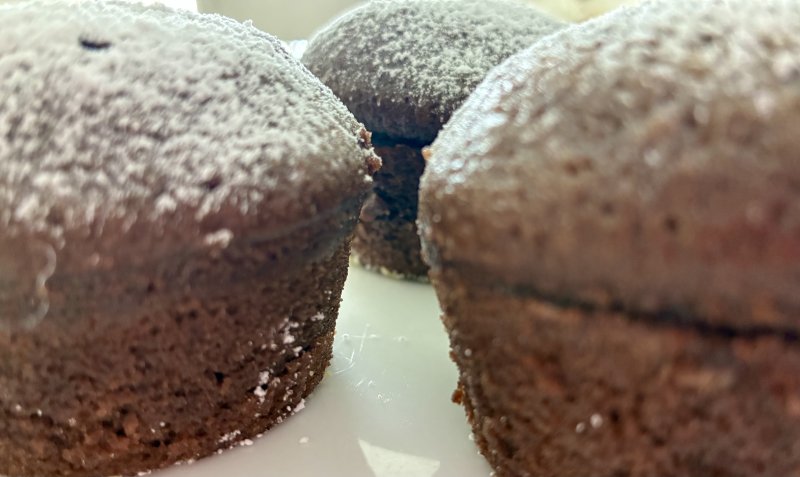
This past weekend, as we awaited the start of the forecasted snowfall, we were glad our neighbors had planned a potluck dinner for Sunday. The new name for our weekly gathering is on the calendar as Sips, Snacks and Scuttlebutt, an accurate description of the casual event. For this one, the contributions included chips and dip, mini quiches, and a deconstructed charcuterie board.
The desserts featured delicious chocolate chip cookies from Olive and Oats (thoughtfully cut in half because they’re so large) and I made the chocolate cupcakes in the photo. A bottle of red wine and one of white appeared on the side table, while some folks brought their own cocktails in travel mugs.
While they looked like standard chocolate cupcakes topped with powdered sugar, the actual type of chocolate was not at all traditional. The basic types of chocolate are milk chocolate, semisweet and bittersweet (often called dark). They’re made from various grades of cacao beans (from generic and inexpensive to aromatic and pricey) that are roasted and combined with additives such as sugar and flavorings.
The chocolate used in my cupcakes was American Heritage chocolate, sold only in select locations, most of them historic sites like Mount Vernon, Colonial Williamsburg, and the coffee shop on the campus of Historic Lewes. Developed by the Mars Wrigley company, this specific blend of chocolate and flavorings was developed by a team of historians.
Chocolate, specifically a hot beverage made with chocolate, has been a favorite drink for centuries. Originating in the Amazon rainforest of South America, the first domesticated cacao trees are believed to have emerged around 5300 years ago. On Columbus’ fourth voyage to the New World, he saw what he thought was a harvest of almonds.
He learned from the native Mayan people that the pods are in fact something Europeans have never before seen. When dried and fermented, these seeds of the cacao tree provide cocoa solids (a mixture of nonfat substances) and cocoa butter (the fat) which can be extracted to make a delicious flavoring for both sweet and savory foods.
By the 18th century, Ben Franklin was selling chocolate from his Philadelphia printing shop. And from the writings of Meriwether Lewis, we learn that he drank chocolate to try and improve his health during his early 19th century expedition of western territories. Presidents Washington, Jefferson and Lincoln were all fans of chocolate, serving the treat at their homes.
The 20th century saw all sorts of innovation in the production and distribution of chocolate, including the process to manufacture bars of sweet chocolate with that distinctive sheen and snap when a bite is taken. One of my favorite bits of chocolate lore is that Edmund Hillary and Tenzing Norgay buried chocolate when they reached the summit of Mount Everest to appease the gods.
Just about 20 years ago, American Heritage Chocolate reached the market, based on recipes from the mid-1700s. The key ingredients of chocolate, cocoa butter, and sugar are flavored with cinnamon, anise, nutmeg, and red pepper. The taste of the cupcakes was bright and rich, with subtle heat. Here are two recipes that showcase these complex flavor notes.
Chocolate Cupcakes*
1/2 C American Heritage dark chocolate
1 1/3 C sugar
1 t salt
1 3/4 C flour
1 t baking soda
2 t vanilla extract
1/2 C neutral oil
1 1/2 C boiling water
2 whisked eggs
Preheat oven to 350 F. Line a cupcake tin with paper liners or spray with nonstick cooking spray; set aside. Sift the dry ingredients into a large mixing bowl; set aside. Stir together the vanilla and oil in a mixing bowl. Pour in boiling water and whisk to combine. Make a well in the center of the dry ingredients and gradually whisk in the water mixture. Stir in eggs, mixing into smooth batter. Pour batter into prepared pan and bake until a tester comes out clean, about 30 to 35 minutes. Allow to cool completely before removing from pan. Dust with confectioners sugar or your favorite buttercream frosting. Yield: 12 cupcakes. *Adapted from Salt Fat Acid Heat.
Chocolate Loaf *
3/4 C softened butter
1/2 C American Heritage dark chocolate
3/4 C brewed coffee
1/2 C buttermilk
1 3/4 C sugar
2 t vanilla
2 eggs
2 C flour
1 t baking powder
1/2 t salt
Preheat oven to 350F. Coat a 9 x 5-inch loaf pan with nonstick cooking spray; set aside. Place the butter in a large glass bowl and microwave until melted. Add cocoa powder and whisk until smooth. Stir in coffee, buttermilk and sugar, whisking until dissolved. Stir in vanilla and eggs, whisking thoroughly. Sift the remaining ingredients into a mixing bowl. Gradually add dry ingredients to cocoa mixture, stirring just until combined. Pour the batter into the prepared pan. Bake until a tester comes out clean, about 55 to 60 minutes. Cool in the pan for about 10 minutes, then remove to a wire rack to cool completely. *Adapted from the Pennsylvania Farm Women’s Cookbook.
-

Send questions, comments and recipe ideas to Denise at deniseclemons1008@gmail.com.