













What Is Holiday Anxiety, Really? A Neuroscience Perspective (And a Practice You Can Use Today)
Have you ever been in a room full of people during the holidays - a work gathering, a family dinner, a community event - and felt strangely uncomfortable without knowing why?
You’re smiling. You’re participating. You might even be enjoying parts of it.
But underneath, there’s a tight feeling in your stomach. A subtle ache.
Your breathing feels shallow. Your mind keeps scanning.
You’re “there,” but not fully here.
It doesn’t feel dramatic enough to call it anxiety.
It’s not sadness exactly.
And yet, something is clearly off.
So what do we call this?
From a neuroscience perspective, this experience is often nervous system stress, not a personality flaw or emotional weakness. During the holidays, our systems are asked to do a lot at once: manage expectations, navigate family roles, perform socially, carry unspoken emotional history, and keep everything pleasant. Even when we want to be present, the body may quietly shift into a protective state.
Science tells us that the nervous system does not distinguish between emotional pressure and physical danger.
To your brain, an uncomfortable social obligation can register the same way as a real threat. When that happens, stress hormones like cortisol rise, digestion slows, breathing becomes shallow, and the mind moves into scanning and self-monitoring mode...
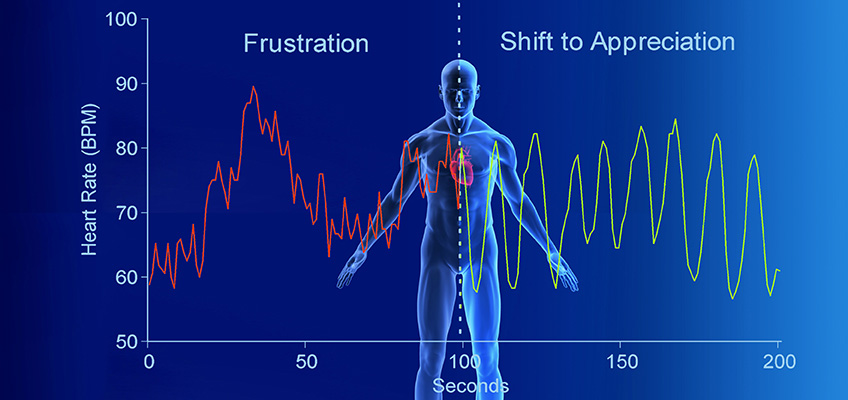
Want to Learn More About Structured Counseling? The image above represents one of our techniques, based on 30 years of research from HeartMath Institute...
Click below to see our website and see how you can shift gears in the New Year.
...So this is why holiday anxiety often shows up in the body first. Tightness in the chest or stomach. Difficulty relaxing. Feeling disconnected or “on edge” even when things look fine on the outside. Many high-functioning people live with this state so regularly that they stop noticing it — until the holidays amplify it.
The important thing to understand is this: nothing is wrong with you.
Your nervous system is doing exactly what it was designed to do - protect you.
The question is not how to get rid of this feeling, but how to gently bring the system back into balance.
One of the simplest, most research-backed tools for doing that is something called box breathing.
Box breathing works by creating a steady rhythm in the nervous system. It signals safety to the brain, activates the parasympathetic “rest and regulate” response, and lowers stress hormones. Studies show that even a few minutes can reduce anxiety, slow heart rate, and improve clarity.
Here’s how to do it:
Breathe in through your nose for a count of four.
Hold the breath gently for four.
Exhale slowly through your mouth for four.
Pause at the bottom of the breath for four.
Repeat this cycle four to five times.
That’s it.
This pattern gives your nervous system something predictable and calming to follow. It’s not about forcing relaxation — it’s about allowing your body to feel safe enough to settle.

During the holidays, moments of anxiety are not a sign that you’re failing to enjoy yourself. They’re a sign that your system is carrying more than it can comfortably hold. Learning how to regulate that system is not indulgent — it’s intelligent self-care.
Sometimes, the most meaningful gift you can give yourself is a single calm breath.