













Bill to lower age for bartenders passes House
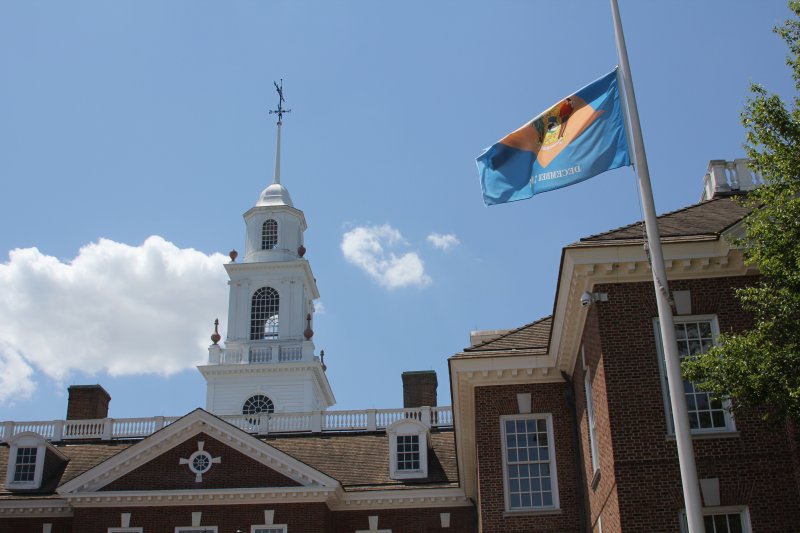
A bill lowering the age for bartenders to 18 passed the House 31-5 with five absent March 12.
House Bill 195, sponsored by Rep. Kim Williams, D-Marshallton, lowers the age to bartend from 21 to 18, but requires supervision by someone 21 or older.
“Delaware remains in the minority of states that requires bartenders to be at least 21 years old,” Williams said. “Reducing the legal bartender age to 18 would help Delaware’s food service industry remain competitive with neighboring states such as New Jersey and Pennsylvania.”
She said 26 states nationwide allow 18-year-olds to bartend, giving them earning potential and helping establishments fill positions.
Protections in the bill include prohibiting anyone under 21 from entering or working in any establishment that offers sexually oriented entertainment, including strip clubs, gentlemen’s clubs and adult entertainment clubs.
There was no discussion before the bill passed. It now heads to the Senate Banking, Business, Insurance and Technology Committee.
Fireworks bill passes House
A bill adding penalties to fireworks use and permit violations passed the House March 17, well over the three-fifths vote needed.
House Bill 63, sponsored by Rep. Madinah Wilson-Anton, D-Newark, needed a three-fifths vote because it increases permitting fees for establishments that sell fireworks.
Wilson-Anton said the bill is the result of collaboration with the fire marshal after multiple constituents had reached out to her about the illegal use of fireworks.
Under state law, fireworks are allowed on July 4, the third day of Diwali, New Year’s Eve and New Year’s Day.
“Fireworks usage is illegal every other day of the year, and only ground-based fireworks are permitted on those days,” Wilson-Anton said. “Aerial fireworks which shoot into the air, and are, in my opinion, the fun ones, are illegal all year round.”
Wilson-Anton said the majority of the public is unaware that fireworks are only permitted on these occasions, and advertising that circulates announcing fireworks for sale is deceptive.
“Often, fines are too low to be a deterrent,” she said.
The bill increases the fines for those who set off fireworks illegally up to $250 for the first violation, up to $500 for the second and no more than $1,000 for subsequent violations.
On the permitting side, anyone who fails to obtain a $100 permit would be subject to a $1,000 fine for the first violation, $5,000 for the second and $10,000 for subsequent violations.
The legislation creates a permitting process for all fireworks distributors in the state, and all money from fines and fees would go into a special fund used by the Office of the State Fire Marshal for enforcement and public education.
The bill now heads to the Senate where Majority Leader Bryan Townsend, D-Newark, is the prime sponsor.
“By strengthening our firework enforcement laws, we are taking the necessary steps to enhance public safety and promote educational awareness on the potential dangers these products pose,” he said in a press release following the House vote.

Melissa Steele is a staff writer covering the state Legislature, government and police. Her newspaper career spans more than 30 years and includes working for the Delaware State News, Burlington County Times, The News Journal, Dover Post and Milford Beacon before coming to the Cape Gazette in 2012. Her work has received numerous awards, most notably a Pulitzer Prize-adjudicated investigative piece, and a runner-up for the MDDC James S. Keat Freedom of Information Award.