













Welcome to 2026 and some interesting expectations for culinary trends in the months ahead. But, before we look at what the pundits are predicting this year, it might be interesting to take a look back at 2025 and see what was commonly found on restaurant menus and home kitchen counters, and in food delivery baskets.
According to food editors at the Australian website Taste, the worst things they saw last year included Lady Gaga’s cocktail of Coca-Cola and red wine, closely followed by adding pickle brine to Diet Coke. Data assembled from delivery service GrubHub showed a preponderance of protein-packed and high-fiber foods, such as canned beans and tinned fish, while electrolyte-enhanced beverages replaced plain water.
One ingredient that became quite popular is matcha, a finely ground powder made from whole tea leaves. It can be whisked into hot water to create a frothy drink or added to a smoothie. People endorse the green powder for its generous dose of antioxidants, minerals and caffeine. Another favorite is a familiar one – after the outbreak of avian flu receded and their price returned to a more reasonable level, the popularity of shell eggs resurged.
Predictions offered by a number of sources, ranging from Food & Wine magazine to restaurant-industry websites, tell us to expect 2026 to feature a focus on modern versions of nostalgic favorites – think elevated comfort foods. Spice and seasoning manufacturer McCormick announced that black currant will be the popular flavor of 2026 for its tart-yet-sweet flavor profile.
Fiber-forward foods will continue to have a place at the table, while sustainability remains a key focus for growers and producers. Frozen food offerings in the grocery have already taken a gourmet turn, and that trend is likely to continue, combining convenience and elegance. Vinegar and fermented foods, from functional beverages like kombucha to condiments like kimchi, will remain popular.
One of the more surprising predictions I have seen is the movement away from seed oils (canola, corn, and sunflower) and back to something more old-fashioned: beef tallow. This is a white-colored fat that remains solid at room temperature. It’s produced by clarifying the fatty tissue surrounding cows’ internal organs. It can also be made from buffalo, sheep, deer and goat, but beef is most common.
The contrast between the two is based on the types of fats: beef tallow has primarily saturated fat, while plant-based oils contain primarily unsaturated fats. Our cardiologists have advised us to stay away from saturated fats, but beef tallow may have one redeeming feature, stearic acid, which appears to not raise cholesterol in the same way as other saturated fats.
Beef tallow is well-suited for cooking at high temperatures, such as deep-frying and roasting. It can also be used to make candles and soaps. However, the jury is still out about whether we should return to beef tallow or stay with the less-expensive plant oils for our baking and frying. Experts also urge caution when using beef tallow for skin care, as it needs to be kept free from any contaminants to remain safe.
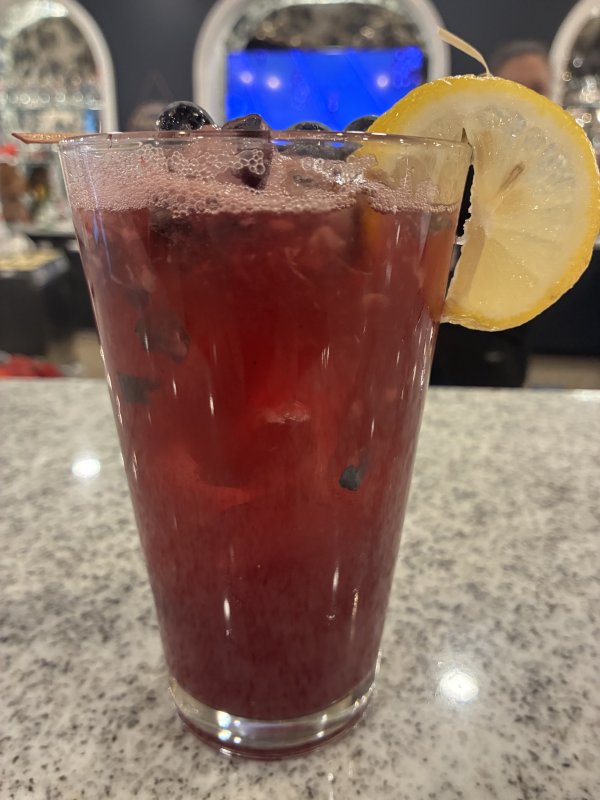
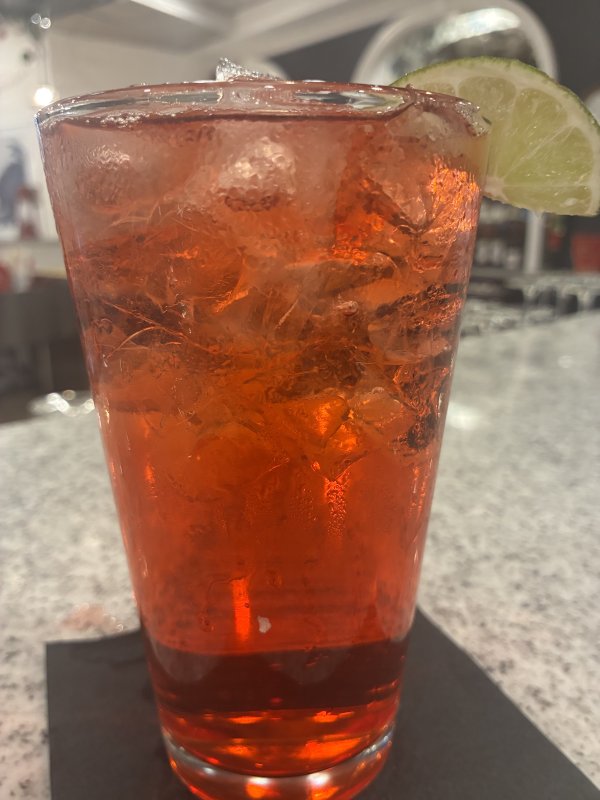
All in all, our culinary outlook for the year ahead will include wholesome, healthful, beautiful foods with a nod to nostalgia seasoned with a pinch of spice. And, don’t forget mocktails that combine simple ingredients to create flavorful, nonalcoholic drinks, as seen in the photos. Happy New Year!
Leeann's Blueberry Soda
Muddle berries, sugar and lemon juice in the bottom of a cocktail shaker (alternatively, mix 1 oz of blueberry syrup with lemon juice). Add ice and shake well. Decant mixture into a tall glass and add soda water. Garnish with berries and lemon wedge.
Leeann's Cranberry Mocktail
Fill a tall glass with ice cubes. Add cranberry juice and ginger ale. Garnish with lime wedge and a sprig of rosemary.
-

Send questions, comments and recipe ideas to Denise at deniseclemons1008@gmail.com.