













Decluttering brings great results, but don’t tackle the job alone
As holiday music rings out and good tidings fill the air, one thought enters your mind and spills out to family members as you come away from a storage area bearing another box of cherished holiday decorations: “We’ve got to get rid of some of that junk in there!”
It’s not just the boxes and bins and bags of holiday items. A trip to those storage spaces reminds most of us as we age that we need to unload things – from the attic, the corners of the kitchen, the closets and the garage, which no longer has room for the big item it was designed to hold.
This is a good time to resolve to begin decluttering – even items in plain sight. It can simplify your life, allow for downsizing, reduce the burden you leave for others, create a safer home and, with the right mindset, allow you a nostalgic glimpse at the past. It probably will feel great.
“The key is viewing it as an event rather than something you fit between an appointment and dinnertime,” said Bethany Geiser, founder and president of Georgetown-based Delaware Professional Organizers, who notes that decluttering takes emotional and physical energy, a lot of time, the right materials and realistic ideas about the task ahead. “You have to educate yourself and set up a system for success.”
That advice shouldn’t discourage you, since decluttering can unfold over time in small chunks. The key, Geiser said, is to have a plan and a schedule with short- and long-range goals, and to muster up a big dose of persistence.
“The key is undoubtedly your mindset,” said Kim Mazewski, owner of Consciously Cleared & Contained, based in Wilmington. “It’s about feeling ready for change and knowing you deserve to feel the calm and peace of a tidy home – and then being prepared to make thousands of decisions that align with your goals.”
Donna Strachan-Ledbetter, a Lewes therapist, notes that initially, anyone undertaking this work should understand that it can be more emotional than they expect.
“It involves letting go, and sometimes one can experience relief in doing that, but often there is some angst or pain,” she said. “Decluttering can be an emotional experience about loss, endings and past seasons of our lives as we handle these precious items and let them go.”
She also notes that it can be part of a therapeutic “life review,” and some experts say it can provide an opportunity for a healthy glimpse at one’s personal history.
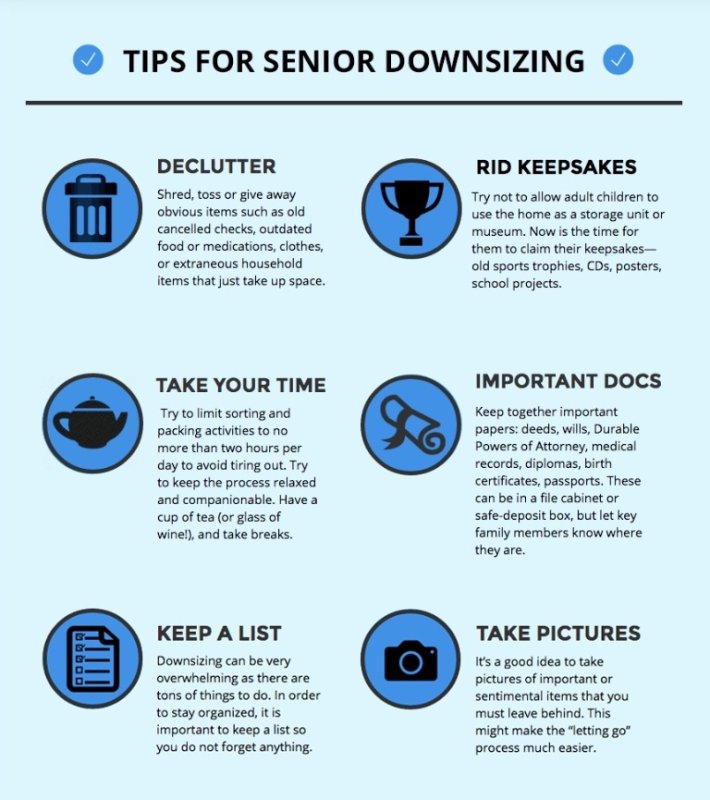
Here are some key steps. First, enlist help. Others can encourage you and help you make decisions, but Geiser said helpers should recognize they must be patient, and both helpers and owners should accept that everyone has different ideas about what is valuable. Could a high schooler help you move or deliver things? Do you need a professional? Information about a place to donate items, or a big dumpster bag?
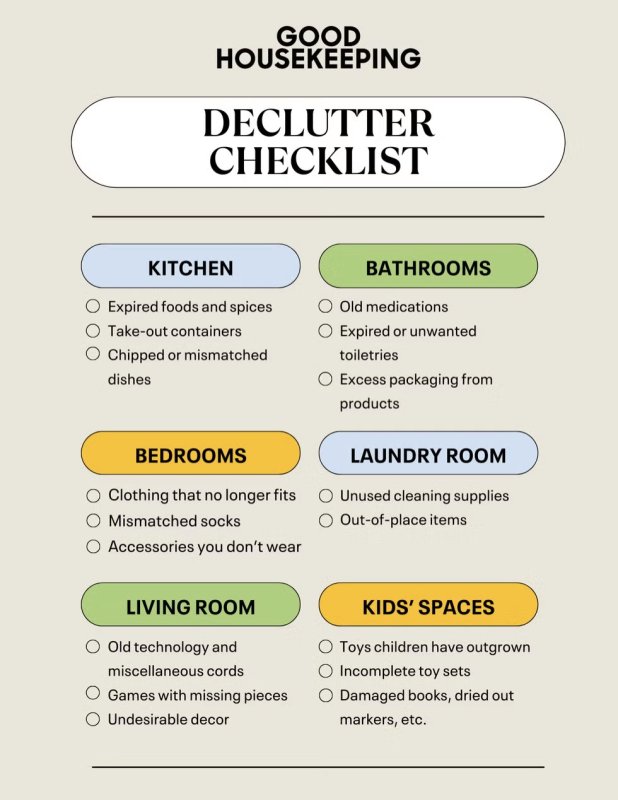
Start small. “It’s not going to be a weekend makeover; you need a kickoff to make and feel that that you’ve made a dent, but it’s adopting decluttering as a regular practice,” said Mazewski. Your first pass might involve a quick effort to remove trash, broken items, clothes that no longer fit, outgrown toys, paperwork, junk mail or publications that are clearly unnecessary – the low-hanging fruit with less emotion attached. Then, assess the work ahead.
Have a system. Schedule sessions and plan out the work. Turn off your phone, put on a podcast and eliminate reasons to get distracted or quit – a cold or hot workspace, standing or bending too long, or one bin requiring more time. Some experts suggest getting rid of anything you haven’t used, worn or looked at in a year. Others recommend four piles: keep, throw out, give away and “not sure,” so you don’t get stalled by indecisiveness.
Take pictures as a record of some things. Geiser suggests reviewing groups of similar items to see, for instance, that you have two crock pots or five yellow shirts or many samples of a child’s art when one will suffice.
Think ahead. Limit yourself to a specific container or shelf for retained items so you must be decisive. Plan temporary space for sorted items or collections requiring more work. Have a “future mindset,” Mazewski said, considering whether items will have meaning to anyone going forward.
Life with fewer things can be a simpler, sweeter new chapter, she said, noting that it is critical to change habits about what you acquire and keep. “Once you’ve gone through belongings, it’s important to adopt decluttering as a regular practice that also yields conscious consumption,” Mazewski said.
-

Jim Paterson has been a writer, editor and illustrator for a long enough time to understand aging. He lives in Lewes with his wife, Marybeth, and their dog, Tucker.