












Delaware recognizes World Elder Abuse Awareness Day
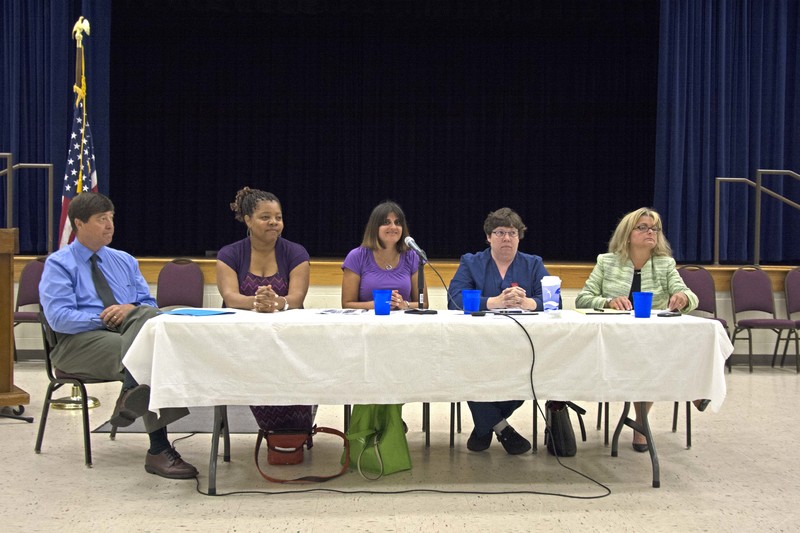
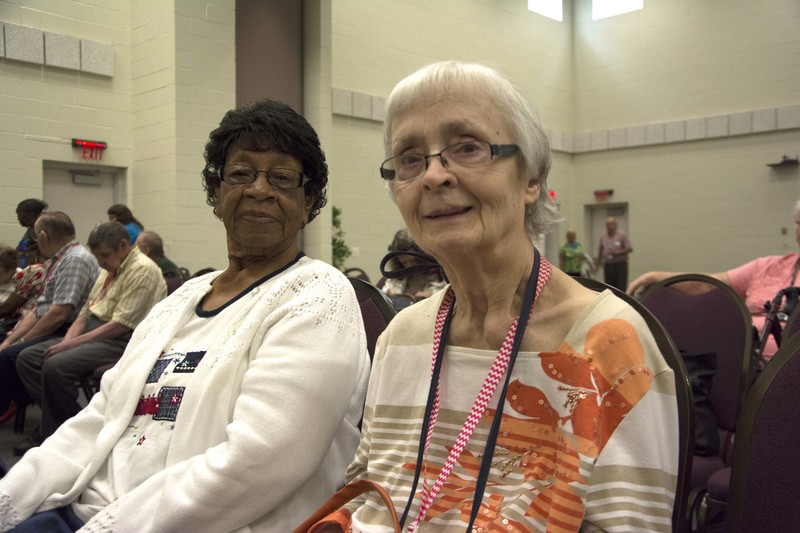

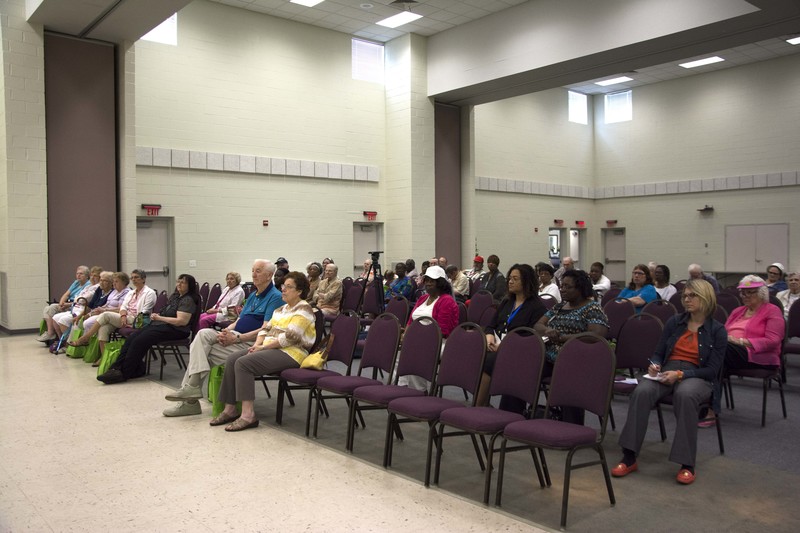

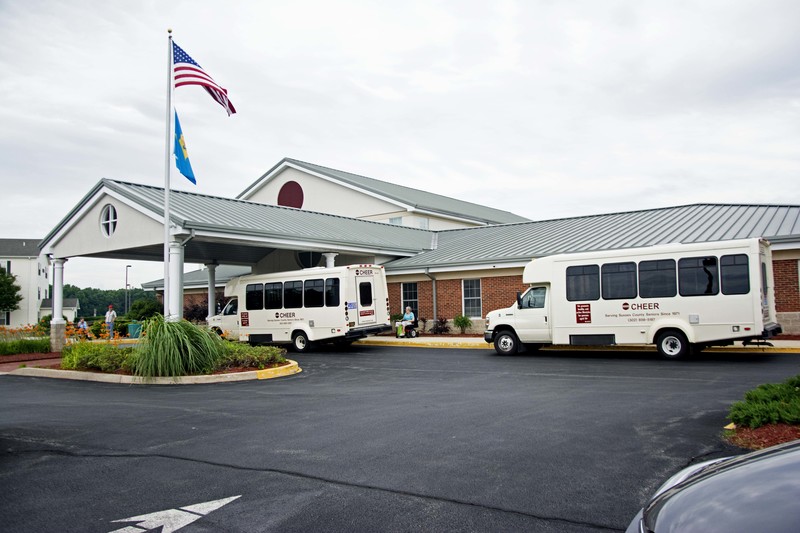
June 15 marked the proclamation of Elder Abuse Awareness Day for the state of Delaware, and centers in each county held programs to educate the aging population about elderly abuse. The CHEER Community Center in Georgetown hosted a panel of professionals to discuss their theme S.A.V.E., or Stop Abuse of the Vulnerable and Elderly, to target the abuse and neglect that many older adults can face and what they can do to fix a problematic situation.
When thinking of abuse, the first thing that comes to mind is usually physical abuse. And while that can also be an issue, a large number of seniors find themselves victims of fraud and scams. “As you age, you lose the ability to have that gut feeling that tells you something is wrong,” said Dan Daly, from the Department of Justice’s Fraud Protection Unit. Scammers obtain phone numbers, with almost any type of identification, and can preface the conversation with a variety of stories, such as winning the lottery or a family member is in jail. At the end of the call, they ask for money to be sent to an account.
Resources such as green dot cards, which are prepaid VISA cards that scammers ask the numbers for, or money transfers from Western Union are popular ways to steal money from people. But Daly says if a person really does need to pay a bill to the IRS, or owes money to another institution, they will get a letter. “People calling you is a scam. If you’re getting a phone call, it’s a scam. The IRS and jury do not ever call you,” said Daly regarding fake phone calls. If it’s important, it’s handled by the mail system.
Another type of scamming is financial exploitation, in which the elderly members of families suddenly acquire a “new friend.” This new friend then convinces an aging mother or father that their family isn’t really there for them and pulls them away, and suddenly they no longer answer phone calls or have contact with other family members. Not too long after, their “friend” offers to help them with their finances through the power of attorney, and soon enough they have drained accounts and stolen life savings. Unfortunately, occurrences like this can go unnoticed by family members until it’s too late. “When I get that call,” said Daly, “They’re already out of their life savings. And I can’t get that back.”
In addition to scammers, some seniors can suffer from physical and/or emotional abuse or neglect from their caretakers, whether they stay at home or live in a nursing home. While reports file in every year, some go unreported, similar to other types of abuse. “Domestic violence looks similar to other types of violence,” said sexual assault nurse examiner Cheri Will. However, if a member of the family suffers from dementia or a similar illness, it can alter their perceptions of reality. “They be fine, take a nap, and then wake up thinking their spouse or caretaker is an intruder,” said Will.
Sexual assault is another type of abuse that seniors can face. While the age group with the highest number of victims is adolescence, the threat does not disappear with age. “One in three people in their lifetime have been a victim of sexual assault,” said Will. “Your generation does not discuss [sexual assault],” Will said, referring to the elderly population of Delaware, saying it is seen as taboo, which leads many cases to be left unreported and untreated. “How you handle sexual assault yourself communicates how [children you know] should handle sexual assault,” said Will. And even if the police don’t know, or the victim doesn’t want to open a case, he or she still needs to be examined and treated.
The main cause for seniors not coming forward about any type of abuse, be it financial, physical, emotional or sexual, is fear of losing independence. There’s an embarrassment that surrounds the victim and prevents him or her from coming forward. With the help of Adult Protective Services Program, however, victims have more chances to receive help.
Created in 1982, APS provides social services intervention for physically or mentally impaired adults, age 18 and over, who are living in the community and who are subject to abuse, neglect or exploitation. With over five million seniors victimized yearly, 84 percent of the incidents go unreported, according to APS. “[APS] investigates any elder abuse in the community,” said Carrie Magathan of APS, and together with the Senior Protection Initiative, created by the late Attorney General Beau Biden, handles all abuse or problems of those not living in a facility where seniors are considered dependents. Once reported, the APS works to investigate, stop and prevent any further abuse or neglect from occurring. But if there is no appropriate perpetrator, the case is assigned to the appropriate division or program. “The main thing is to report it - but if it is an urgent matter, call 911,” said Showalter.
World Elder Abuse Awareness Day, now seen globally, serves as a call-to-action for individuals, organizations and communities to raise awareness about abuse, neglect and the exploitation of elders.
“It does happen. Do not be afraid to report it, because you’re not alone. Do not be embarrassed, do not be ashamed. Bad things happen to good people,” said Showalter.
To report elderly abuse, contact the Adult Protective Services at 302-422-1415 or go to dhss.delaware.gov/dsaapd.