












Johnnie Walker Beach holds historical significance in Lewes
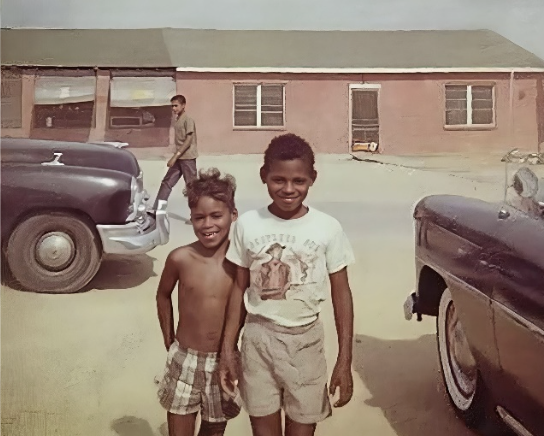
Johnnie Walker Beach holds a deep historical significance in Lewes, particularly as it relates to the African American community. During Delaware’s Jim Crow era, segregation shaped daily life throughout the state, including its beaches. At that time, Beach 1 (now Savannah Beach) was reserved exclusively for white residents, while Beach 2 was designated for “colored” families, who made up over a quarter of Lewes’ population.
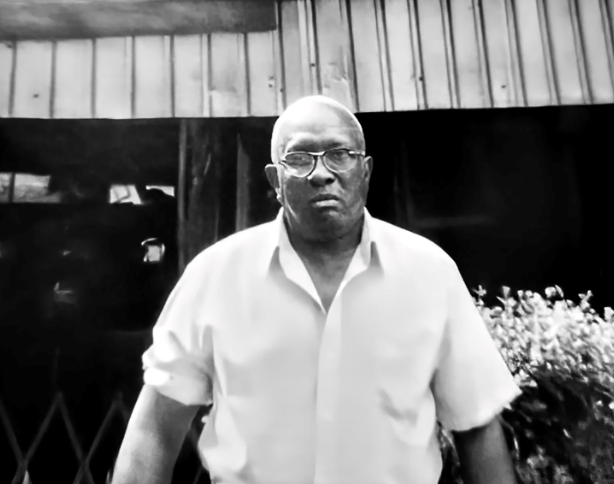
Despite its humble beginnings, Beach 2 quickly became a vital gathering place. The beach featured a simple wooden pavilion where families joined for social events, worship services, baptisms and other celebrations. In 1958, Johnnie Walker, a respected entrepreneur and community builder, transformed the beach by constructing a restaurant and dance hall. This establishment became an epicenter of social life for African Americans and others in Lewes, providing lively entertainment, delicious food and a powerful sense of community and security during the final years of segregation and beyond.
Johnnie Walker’s influence extended outside the beach. As a successful construction company owner, he helped numerous families achieve home ownership and was always ready to lend a helping hand wherever it was needed.
The restaurant and dance hall remained in operation until the early 1970s. Though Walker died July 24, 1992, his legacy of leadership, generosity and community spirit continues to inspire. In a unanimous vote in 2021, Lewes Mayor and City Council officially renamed Beach 2 in his honor.
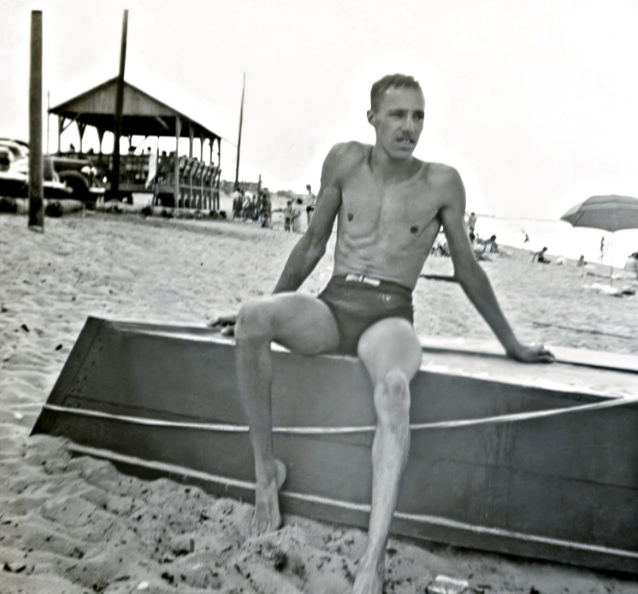
Over the past few years, the Lewes African American Heritage Commission has been gathering hard-to-find photographs of the beach from the 1920s through the 1960s for an interpretive sign, which will be erected at the beach this spring. The sign will share both photographs and information on the history of the beach and Johnnie Walker. Joint funding for the sign was provided by the City of Lewes and a grant from Delaware 250.
The commission’s next goal is to build a replica of the pavilion that once stood at the beach.