













Spinach is a low-calorie nutritional powerhouse
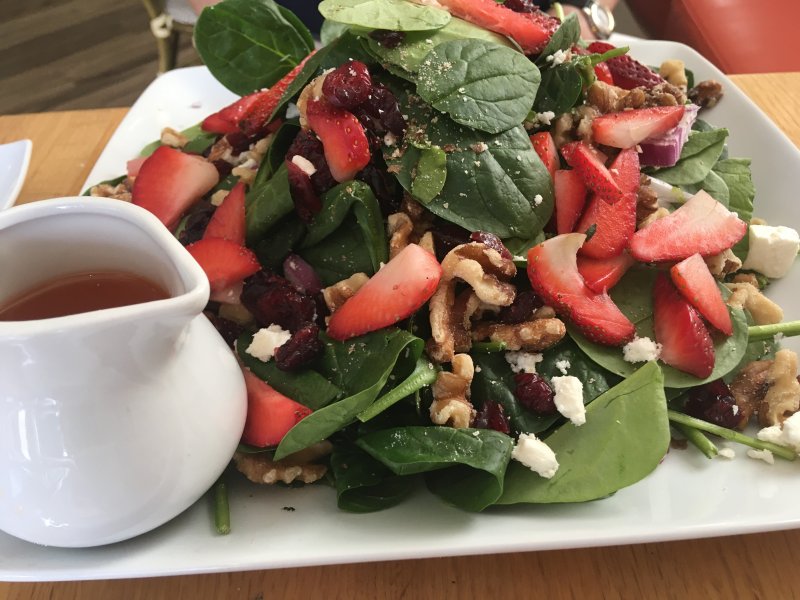
After some long weeks of indulging in rich meals, sweet treats and a few adult beverages, it was time to turn my attention to leafy greens and lower-calorie dishes. One of my favorites among these is a composed spinach salad made with delicate baby spinach. Packaged in plastic clamshell containers, these lovely greens are available throughout the year.
Food historians agree that wild spinach (called aspanakh) originated in Persia (now Iran) about 2,000 years ago. From there, in the 7th century, spinach found its way to China and across Asia, where it was called “the Persian green.” By the 12th century, spinach reached Europe, where it was cultivated widely. An interesting note is that during medieval times, the green pigment extracted from spinach was used as ink for artwork.
In the early 19th century, spinach was introduced to North America, first appearing in seed catalogs in 1806. This exotic vegetable was new to American gardens and became popular for its swift growth to maturity. Today, most spinach we see in the grocery stores comes from California, but during growing season here, the best spinach will be found at local farmers markets.
We can thank Catherine de Medici of Florence, Italy, for how we see spinach on a restaurant menu. When she married King Henry II of France, she brought her cooks along to her new home. Her staff was able to prepare the delicate spinach greens as she liked to enjoy them. Since that time, any dish presented on a bed of spinach is referred to as “a la Florentine.”
In 1929, we met a cartoon figure named Popeye, who greatly contributed to the popularity of canned spinach. He caused a huge surge in spinach consumption by setting an example: He swallowed an entire can of spinach whenever he was in a perilous situation. Popeye’s creator was not far off the mark regarding the nutritional value of spinach, which contains a wide range of vitamins and minerals.
There is one potential downside to eating spinach – it has a high oxalate content. Oxalic acid, or oxalate, is a natural compound in many foods, including beans, vegetables and grains. For most people, oxalate is completely harmless. Other people, however, can have difficulty getting rid of excess oxalate. It will build up and form crystals that can stick together and cause kidney stones.
Packaged spinach can be transformed into a speedy side dish. With a quick sauté in olive oil, spinach can go from the crisper drawer to the table in under 10 minutes. Even if the package has a label that says “prewashed,” be sure to rinse it yourself. If you buy fresh bunches of spinach, remove the roots and larger stems, then place the leaves in tepid water, swirling them around to release any sand or dirt.
Give them a final rinse in cool water and inspect the leaves to remove any that are damaged. This is also a good time to trim off the longer stems that can be difficult to eat. When you choose a recipe for a cooked dish that features spinach, keep in mind the volume will shrink drastically to about one-tenth of the original. You can add spinach to soups, stir-fried dishes, lasagna and salads, or use spinach leaves as a layer on your sandwich.
Spinach is a great addition to smoothies and can be combined with plain yogurt and seasonings to make a low-fat dip. Fresh spinach also scrambles up nicely with eggs in the morning. And, if you prefer your spinach raw, toss baby leaves with crumbled bacon, sliced red onion, hard-boiled egg and a simple vinaigrette. Or try the version in the photo with strawberries, craisins, walnuts and feta cheese.
Spinach Strawberry Salad
Rinse spinach, discarding stems and any damaged leaves. Place in a serving bowl. Rinse, hull and slice the berries; scatter over spinach. Sprinkle spinach with remaining ingredients. Add dressing and toss gently to combine. Yield: 4 servings.
Vinaigrette Dressing
Whisk together all ingredients until emulsified. Adjust seasonings to taste with salt and pepper. Yield: 1/2 C dressing.
-

Send questions, comments and recipe ideas to Denise at deniseclemons1008@gmail.com.