












DOC ends contract with Connections
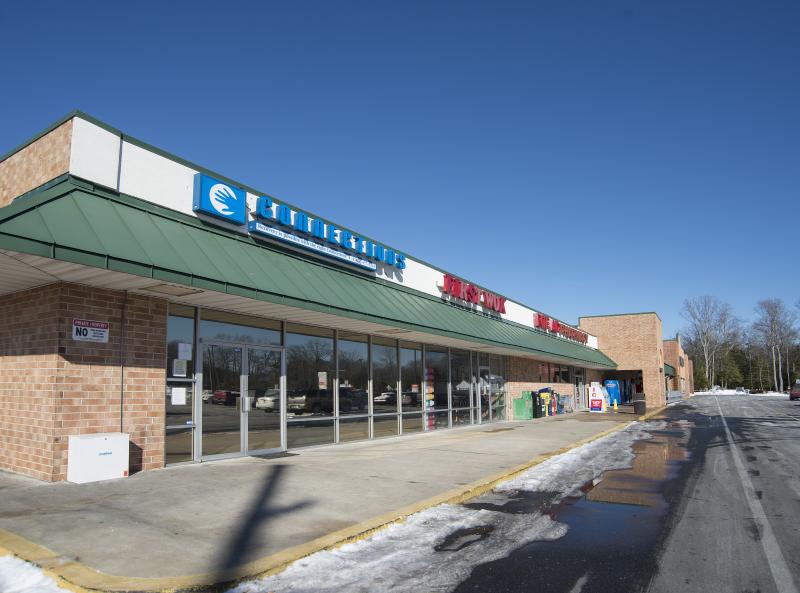
Delaware Department of Correction is ending its contract with Connections for medical and behavioral health services, three months before the existing contract was set to expire.
Connections had provided DOC’s behavioral health services since 2012, which expanded to medical healthcare in 2014. For fiscal year 2020, the state budgeted $45 million to provide medical healthcare to DOC, and about $13.5 million for behavioral healthcare.
“It is with a heavy heart and mixed emotions that Connections Community Support Programs withdraws from this collaborative endeavor with DOC that has significantly benefited the citizens of Delaware for the last eight years,” said Dr. William F. Northey, Jr., interim president and CEO. “By its nature providing quality care in correctional institutions is a significant challenge. The doctors, nurses, clinicians, and all of the staff give their best every day to provide patient care. It has been our pleasure to serve as the medical and behavioral healthcare provider to the DOC and an honor to have worked with such dedicated staff in both organizations.”
Since the 1980s, Connections has provided drug treatment and other services throughout the state including downstate facilities in Millsboro, Harrington and Dover. In 2017, the state suspended the licence of a nurse who worked for the Millsboro facility after officials say she gave medications to a patient with whom she was having a relationship.
In a separate development, Cathy McKay, co-founder and chief executive of Connections, retired in 2019.
The Delaware Attorney General's Office is investigating Connections, but spokesman Mat Marshal said there is no update, and he could not say when the investigation will be completed.
In 2019, Georgetown police began partnering with Connections Community Support Programs with a grant paid by the Delaware Department of Health and Social Services Division of Substance Abuse and Mental Health. At the time, police said it was a needed partnership to connect people with help.
The Georgetown police could not be reached for comment on whether the partnership with Connections is continuing.
Bayhealth Medical Center filed a lawsuit Jan. 31 against Connections, saying it is owed money in connection with inmate healthcare.
DOC Commissioner Claire DeMatteis said the department and Connections mutually agreed to be end the contract for Connections to serve as Delaware’s correctional medical and behavioral health services vendor.
On March 2, DeMatteis said Centurion – a national company that provides healthcare services to state, county, and municipal correctional systems in 15 states, including Maryland and Pennsylvania – will begin a new three-year contract on April 1. Centurion’s contract will pay them $47.8 million a year for medical services and $21.1 million for behavioral services – more than $10 million a year than what Connections was paid. DOC Spokesman Jason Miller said Centurion will provide full staffing levels with their contract, and will receive prorated monthly payments until the end of June. Connections’ final payment will be April 1, he said, and they will not receive any further funding after that.
“Centurion is pleased to partner with the Delaware Department of Correction, and we are committed to working with the DOC to improve the medical and behavioral healthcare, and substance use disorder treatment for individuals under DOC custody,” said Centurion CEO Steven H. Wheeler. “We look forward to bringing our innovative staffing and care solutions to Delaware’s unified state correctional agency.”

Melissa Steele is a staff writer covering the state Legislature, government and police. Her newspaper career spans more than 30 years and includes working for the Delaware State News, Burlington County Times, The News Journal, Dover Post and Milford Beacon before coming to the Cape Gazette in 2012. Her work has received numerous awards, most notably a Pulitzer Prize-adjudicated investigative piece, and a runner-up for the MDDC James S. Keat Freedom of Information Award.