












Senate approves removing solar credit cap
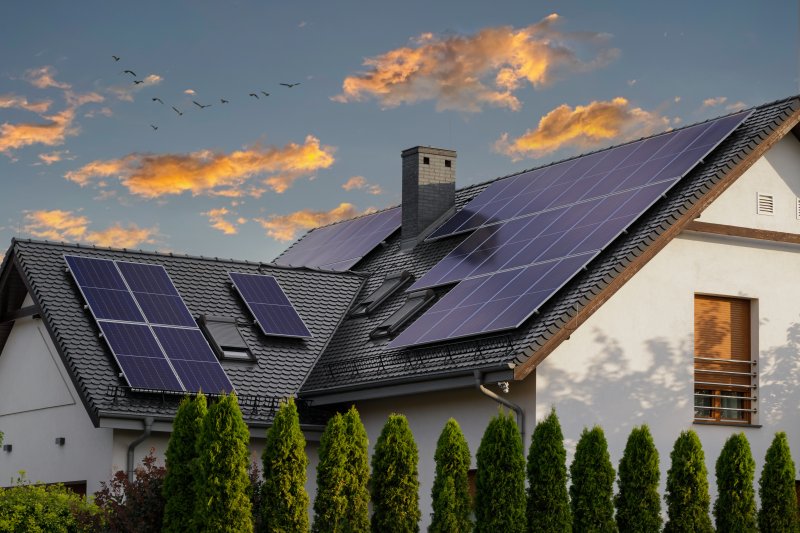
Legislation reversing a 2022 cap on utility bill credits for homeowners with residential solar systems unanimously passed the Senate March 17.
“This is a bill that will encourage the expansion of residential solar in our state by removing the statutory cap on net metering,” said bill sponsor Sen. Stephanie Hansen, D-Middletown.
Senate Bill 239, which has support from Sen. Russ Huxtable, D-Lewes, would remove the 8% cap placed on residential solar credits in 2022 when Hansen’s SB 298 went into effect – much to the chagrin of many homeowners who had installed solar energy panels on their homes and had enjoyed receiving credits on their bills.
“It leaves the decision up to the utility to determine whether their system can accommodate the net-metered energy, but removes the state’s artificial cap,” Hansen said about the new legislation.
When solar panels were first being installed on homes and net metering was in its infancy, Hansen said, utilities were concerned about how it would affect the system because electric systems had always been designed for one-way energy flow, from the generator to homes, not a two-way flow of energy from a home back into the power grid.
Through the 2022 bill, however, state law put a cap on solar credits to allow utilities to accommodate their systems for two-way flow and build necessary infrastructure to make it work.
Under previous law, once the amount of net-metered energy reached the cap, Hansen said, utilities could stop accepting any additional net-metered energy.
“That was the idea, and a number of utilities began doing that. Not because there were hardware or safety issues, just because the state law said they could. And that was a problem,” she said.
After the 2022 law went into effect, Hansen said the number of new solar panels installed began to fall.
Now that a few years have passed, Hansen said utilities have learned to accommodate the two-way flow.
Although a recent report showed a cost shift from solar to non-solar customers, Hansen said residential solar units have provided direct and indirect benefits to all ratepayers by producing energy for the power grid.
“So net-metered systems are a net benefit for all ratepayers,” she said.
SB 239 now moves to the House for consideration.

Melissa Steele is a staff writer covering the state Legislature, government and police. Her newspaper career spans more than 30 years and includes working for the Delaware State News, Burlington County Times, The News Journal, Dover Post and Milford Beacon before coming to the Cape Gazette in 2012. Her work has received numerous awards, most notably a Pulitzer Prize-adjudicated investigative piece, and a runner-up for the MDDC James S. Keat Freedom of Information Award.