












Drive through Sussex County today, and the changes are impossible to ignore. Forests cleared. Farmland divided. Traffic backing up where quiet roads once existed. Residents are right to feel concerned and even frustrated.
But some people are misplacing that frustration when they blame retirees and newcomers.
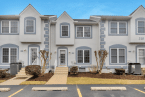
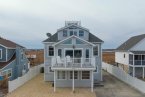
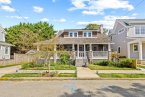
People didn’t create this growth pattern on their own. It was invited, encouraged and engineered. For years, Delaware and Sussex County in particular have been marketed as a premier destination for retirees. Developers built thousands of large, single-family homes because that is what zoning codes allowed most easily and what generated the greatest return. State agencies, tourism groups and real estate industries amplified that message.
You cannot spend years inviting people in and then blame them for arriving.
The real issue is not who moved here. It is how growth was planned, or more accurately, not planned. Zoning codes favored large-lot housing over workforce and attainable housing. Infrastructure has lagged far behind development. And now, with thousands more homes still in the pipeline, we are confronting the consequences all at once.
At the same time, new pressures are emerging. Well-deserved conversations about higher-density housing, code changes and even potential uses like data centers raise an even bigger question: What kind of county do we want going forward?
Blaming retirees and newbies won’t answer that. It only divides a community that needs to be working together.
Many who moved here contribute greatly, supporting local businesses, volunteering and investing in the community. They are part of Sussex County now, just as much as those who have been here for generations.
If Sussex County is at a breaking point, then the path forward is not finger-pointing at the past. It is honest reflection, better planning and shared responsibility.
We cannot undo what has already been built. But we can decide, together, what comes next.
Gary Vorsheim
Lewes
-

A letter to the editor expresses a reader's opinion and, as such, is not reflective of the editorial opinions of this newspaper.
To submit a letter to the editor for publishing, send an email to viewpoints@capegazette.com. All letters are considered at the discretion of the newsroom and published as space allows. Due to the large volume of submissions, we cannot acknowledge receipt of each submission. Letters must include a phone number and address for verification. Keep letters to 400 words or fewer. We reserve the right to edit for content or length. Letters should be responsive to issues addressed in the Cape Gazette rather than content from other publications or media. Letters should focus on local issues, not national topics or personalities. Only one letter per author will be published every 30 days regarding a particular topic. Authors may submit a second letter within that time period if it pertains to a different issue. Letters may not be critical of personalities or specific businesses. Criticism of public figures is permissible. Endorsement letters for political candidates are no longer accepted. Letters must be the author’s original work, and may not be generated by artificial intelligence tools. Templates, form letters and letters containing language similar to other submissions will not be published.