











Nontidal wetlands bill heard in committee
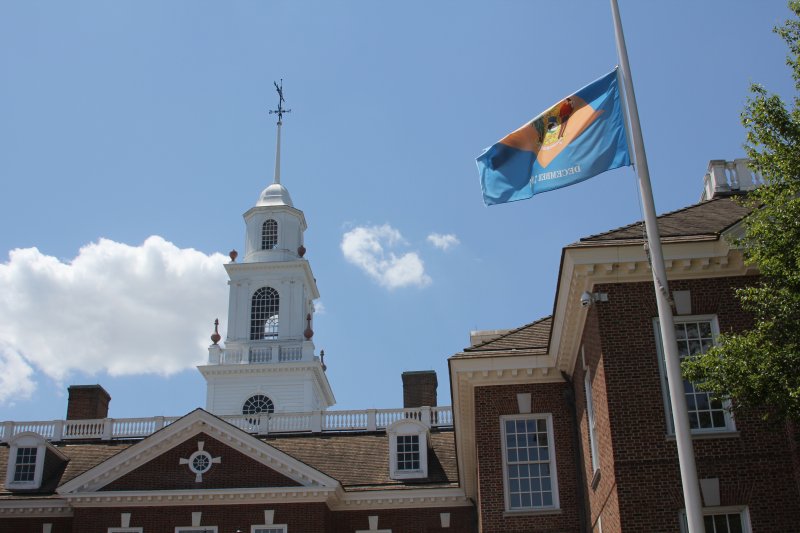
A bill that would streamline permitting for nontidal wetlands areas moved through committee April 15.
Senate Bill 9, sponsored by Sen. Stephanie Hansen, D-Middletown, with support from Sen. Russ Huxtable, D-Lewes, and Rep. Claire Snyder-Hall, D-Rehoboth Beach, would create a state-level nontidal wetland regulatory program.
“Other states have them and we need to have one too,” Hansen said, particularly when federal regulation is uncertain.
For decades, efforts to create freshwater wetlands regulation have been unsuccessful, but proponents are hoping this time will be different. The latest bill is the outcome of a two-year process that brought together a diverse group of stakeholders, including farmers, home builders and hunters to environmentalists and policy leaders.
One area of contention in the past has been over what is considered exceptional value wetland areas. According to the bill, these include wetlands that are unique or high functioning, support flora or fauna that are endangered or threatened, are located in public water supply Source Water Protection Areas, or located within designated natural areas.
Exemptions under the bill include farming during the prior 10 years; silviculture; hunting, fishing, trapping, duck blinds; and other federal and state conservation programs.
For properties that require a permit, regulation would be done by a 23-member Wetlands Regulatory Advisory Committee, removing the responsibility from the Department of Natural Resources and Environmental Control.
The change is significant for DNREC, which has had issues with permitting over the years, said Secretary Greg Patterson during the hearing.
“Whatever approved product comes out of the regulatory advisory committee that is what we are going to promulgate as a department,” he said. “That is a big move for this department but we understand the importance of it, and we trust in this group that has come together to get this done.”
The bill was signed by seven members of the Senate Environment, Energy and Transportation Committee, all who approved of it.
Hansen pointed out that the bill has nothing to do with an offshore wind project.
“This has zip, zero, nothing to do, never has anything to do with offshore wind,” she said.
Sen. Eric Buckson, R-Wyoming, followed up by asking the group of stakeholders attending the hearing at Legislative Hall whether the bill was connected to an offshore wind project that would bring power lines into Delaware. None affirmed.
“We can put that to rest, and I hope you're vocal with that,” he said.
Sen. Brian Pettyjohn, R-Georgetown, said he had reservations when the bill was first circulated, but now sees people, who opposed previous versions of wetlands regulation, supporting it.
“That’s amazing that you can get so many different types of people together,” he said. “Feedback that I’ve gotten so far has been overwhelmingly positive.”
Some farmers who spoke during the hearing said they remain concerned about drainage issues in low-lying areas, and the need for drainage ditch maintenance.
Farmer Bobby Horsey said he opposed a similar bill two years ago, but he is now “cautiously optimistic that this is a very good bill.”
He said he is not a fan of regulation, but he shared the importance of maintaining drainage pathways.
In 2018, Horsey said he and his brother lost millions of dollars because of a wet year.
“It was all predicated because of drainage ditches – some of them on DelDOT, some of them on tax ditches, some were just drainage ditches through other people’s properties that weren’t maintained,” he said. “It’s a real problem, folks. The farming community is losing millions of dollars on wet years.”
Bill seeks to protect co-op from large energy users
Senate Bill 276 moved through committee April 15, allowing the electric cooperatives, such as Delaware Electric Cooperative, to restrict data centers or similar large-energy users from tying into their grid.
Under the bill, DEC would have the right, not the obligation, to provide electric supply service to large-load users projected to exceed 50 MW a month. The bill allows a cooperative to require a large-load user to supply their own energy or purchase it from a third-party.
Both Pettyjohn and Sen. Russ Huxtable, D-Lewes, support the bill.
Representing DEC, attorney James Nutter said the bill is a way to manage load growth.
“We’re not opposed to serving large loads … but if we had a particularly large-load site in our service territory that could expose us more to the PJM market ... During times when demand for power is high, prices can get exponentially higher. We don’t want to buy it at high costs and sell at a rate that is much lower. We see this as protection for our members and a way to manage our load growth.”

Melissa Steele is a staff writer covering the state Legislature, government and police. Her newspaper career spans more than 30 years and includes working for the Delaware State News, Burlington County Times, The News Journal, Dover Post and Milford Beacon before coming to the Cape Gazette in 2012. Her work has received numerous awards, most notably a Pulitzer Prize-adjudicated investigative piece, and a runner-up for the MDDC James S. Keat Freedom of Information Award.