













From Mauch Chunk to Jim Thorpe




Story Location:
Pa., DE
United States
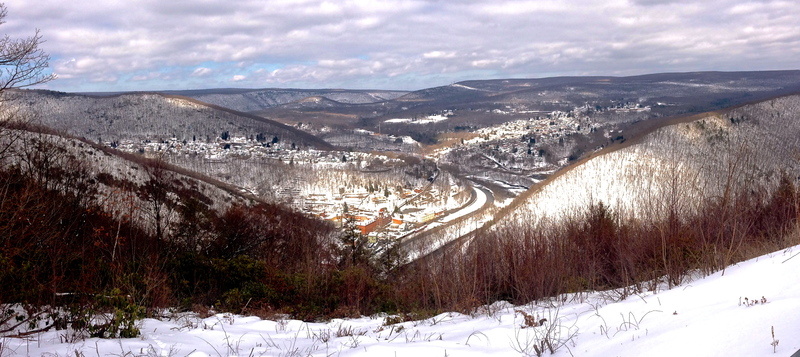
Jim Thorpe, Pa., has a unique history that includes a name change. The town – founded in 1818 – nestled in the shadow of Bear Mountain beside the Lehigh River has had to redefine itself several times.
Once a bustling coal and railroad town, it fell on hard times that were so desperate residents resorted to raising nickels to search for an economic development boost.
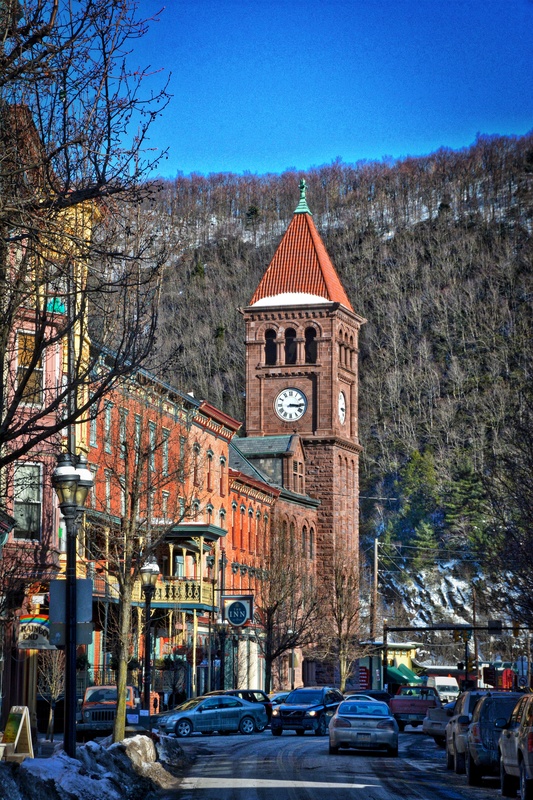
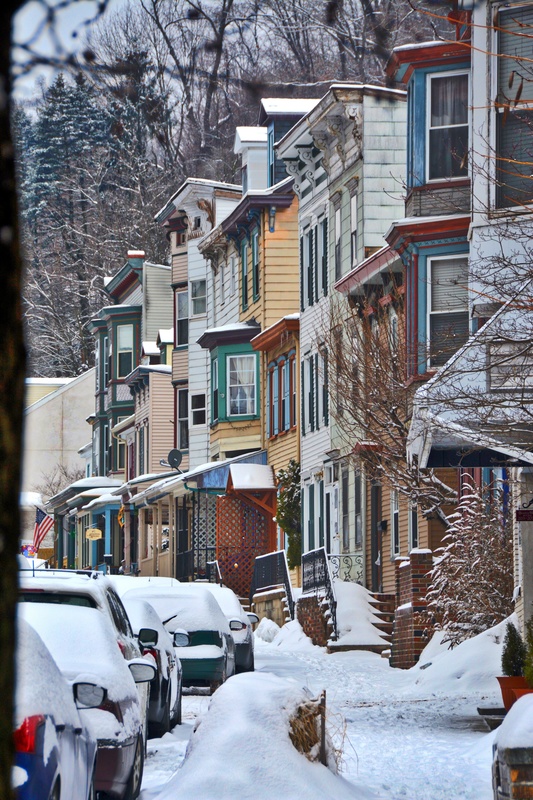
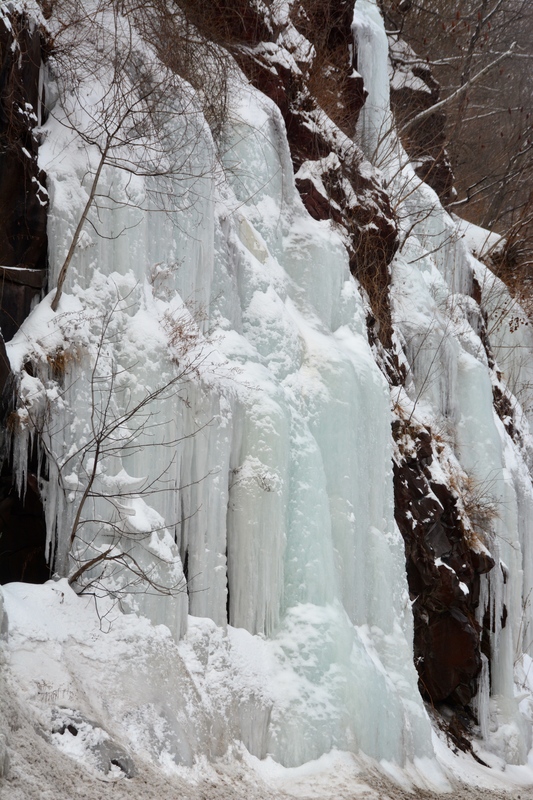
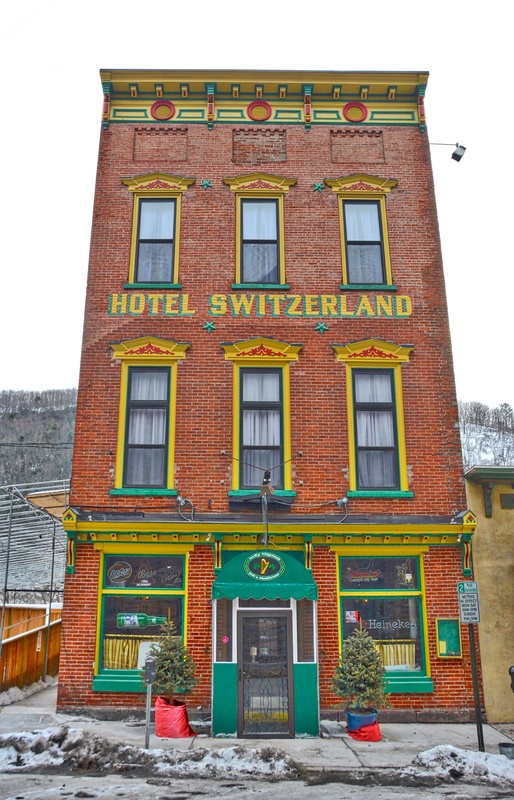
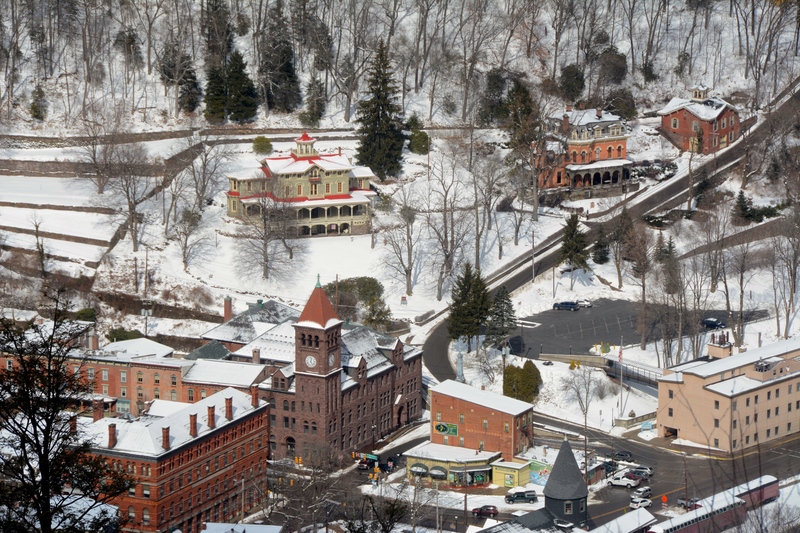
Today, the county seat of Carbon County is known as the Switzerland of America for its picturesque scenery and varied architectural styles. It's become a favorite location in the Poconos for those who love the out-of-doors and recreation.
The town changed its name in 1954 from Mauch Chunk to Jim Thorpe, a story that has to rank as one of the most unusual in American history. (Mauch Chunk means Bear Place in the native Munsee-Lenape Native American language.)
In the 1950s – in an effort to kick start its dragging economy – the town started a “Nickel a Week” campaign to raise money for the collective good, according to a history of the town. Amazingly, residents contributed $30,000 in nickels within a few years.
In 1954, Jim Thorpe's third wife, Patricia, was looking for a town to pay homage to her late husband with a fitting memorial to commemorate his Olympic, professional and amateur sports achievements. His home state of Oklahoma had refused to erect a memorial in his honor.
She and town officials struck a deal and the athlete's remains were moved to the town renamed Jim Thorpe. Each year, the town has a two-day event to honor the athlete who excelled in track and field, football and baseball. Although he was never in the town, he does have a connection to the area starting his athletic career at the Carlisle Indian Industrial School about 100 miles away.
In one of the most tragic of all sports stories, Thorpe's two Olympic medals from the 1912 Games were stripped away because he was paid for playing two semi-professional baseball seasons prior to the Olympics, at the time a violation of amateur status rules.
It wasn't until 1983 that his medals were reinstated and his name was placed back in the Olympic record book as the only athlete to win the pentathlon and decathlon in the same Games.
While an economic and tourism boom did not materialize right away, by the 1980s the town was undergoing a renaissance as outsiders discovered its charm and natural amenities. As the popularity of bicycling and hiking increased, so did tourism in Jim Thorpe. Today, tourism is the town's top industry and events are planned throughout the year to capitalize on the town's history and geographic location.
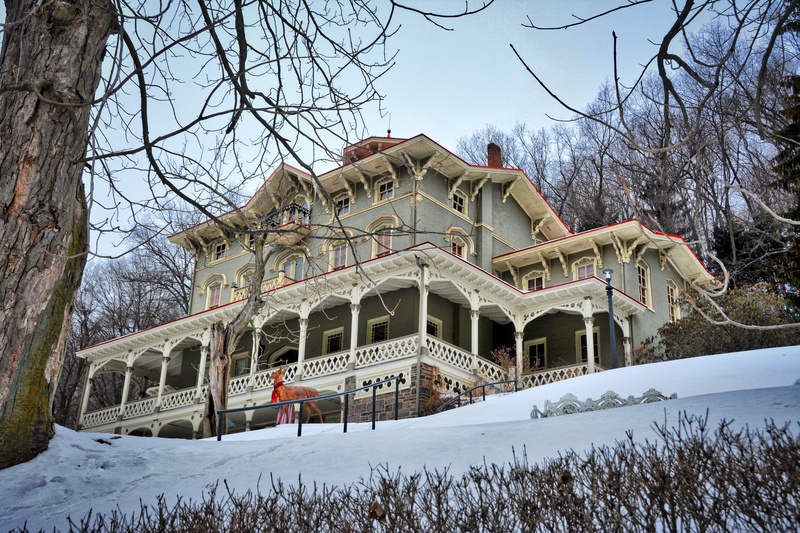
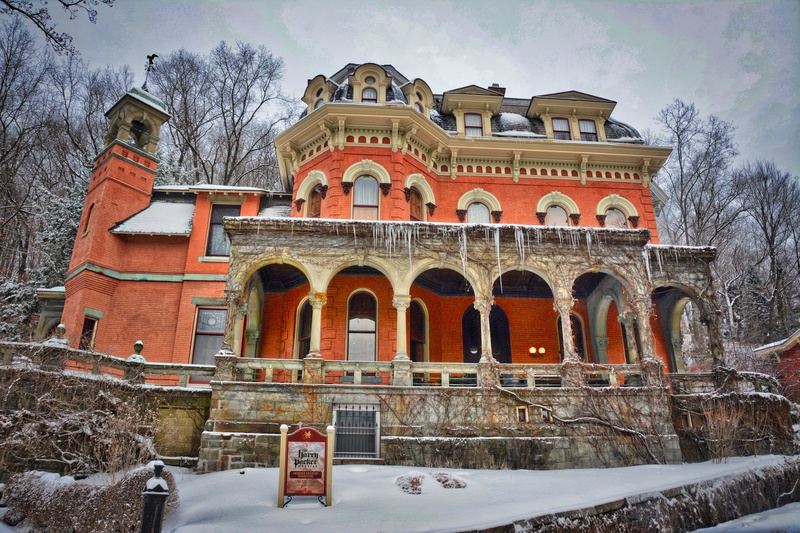
Many of the town's old buildings and homes have been restored; it's not unusual to find the town's bed and breakfast inns, guest homes and hotels filled most weekends.
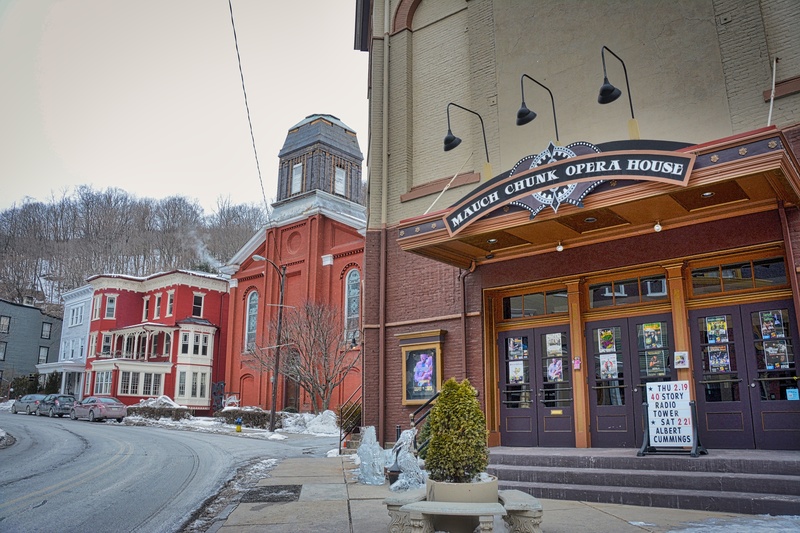
• The Mauch Chunk Historical Society saved the town's 130-year-old opera house from ruin and reopened it in 2003 as a live-music venue. It's become a favorite spot for tribute bands as well as some top-name entertainers. Included on the schedule this spring are Jeff Daniels and Suzy Bogguss as well as some of the best known Irish singers and dancers during March.
• The expanded Lehigh Gorge Rail Trail offers bicyclists many options complete with shuttle service. The area has become a mecca for mountain biking and hiking and is also a popular rafting destination.
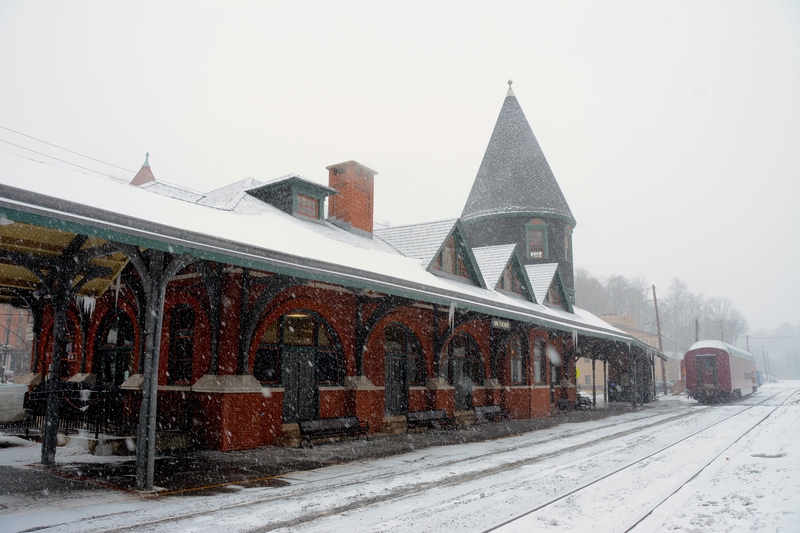
• The Lehigh Gorge Scenic Railway is a popular tourist attraction and nearby Lehigh Gorge State Park features numerous trails and waterfalls.
• Jim Thorpe has been named one of the Top 10 Coolest Small Towns in America and in 2012 was selected the fourth most beautiful town in America.
History tied to coal and the railroad
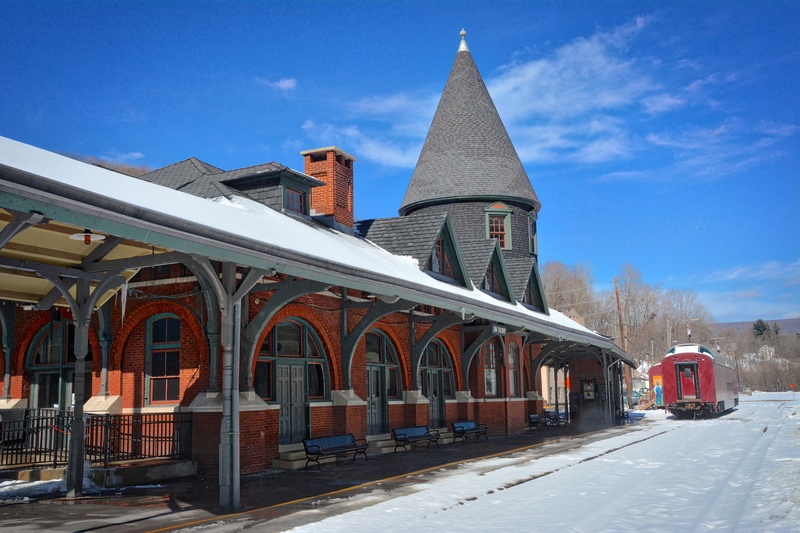
Coal was king in Jim Thorpe's early years. The company town was the lower terminus of the 8-mile Switchback Gravity Railroad that transported coal from the surrounding hills to barges on the Lehigh Canal. The town grew and prospered and at one time was considered one of the richest towns in America. Thirteen millionaires lived in elegant mansions.
Just about everyone who lived in the bustling town was somehow connected to the railroad or coal industries.
Less demand for coal and the Great Depression hit the town hard. By the 1950s, unemployment was skyrocketing and many of the town's fine houses and buildings were falling in disrepair. The only good news was that the town was so poor, it could not afford to demolish most of the buildings that were planned to be torn down.
It's those buildings – now restored – that attract tourists to the town. Broadway and Race Street – the town's main commercial streets – are filled with shops and restaurants, including a 5&10 store.
For more information: poconobiking.com; jimthorpe.org
-
Ron MacArthur has lived and worked in Sussex County all his life. As a journalist for nearly 50 years, he has covered everything from county and town meetings to presidential visits. He also has a unique perspective having served as an elected official and lived on both sides of the county.
Contact Ron at ronm@capegazette.com