












Navy Reserves celebrate long history at Cape Henlopen

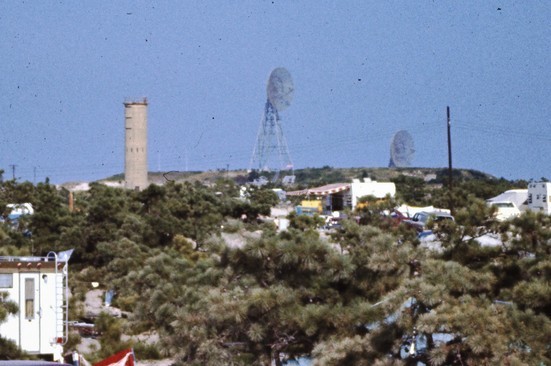
The U.S. Army presence at historic Fort Miles is well documented. What is not so well known is the Navy's nearly 100 years at the fort from 1898 to 1996.
It's an amazing history that includes ties to the Cold War, state-of-the-art technology for the times and even a top-secret underwater listening system known as SOSUS that helped locate Soviet submarines.
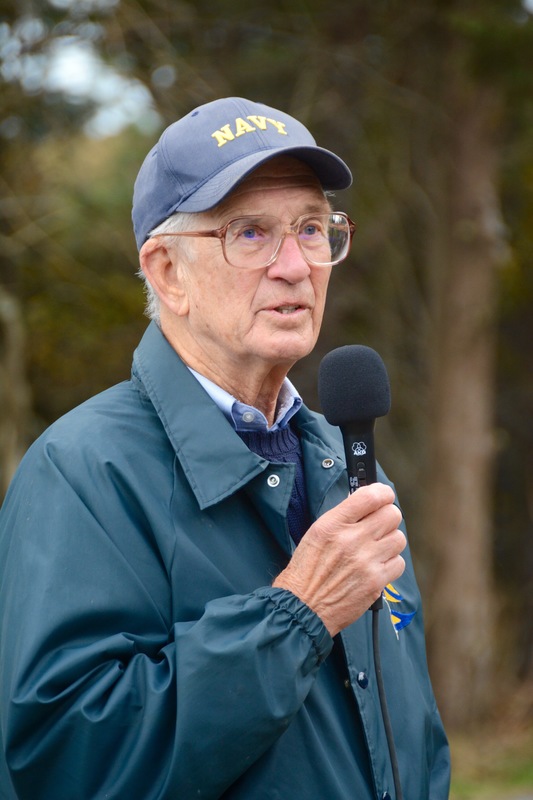
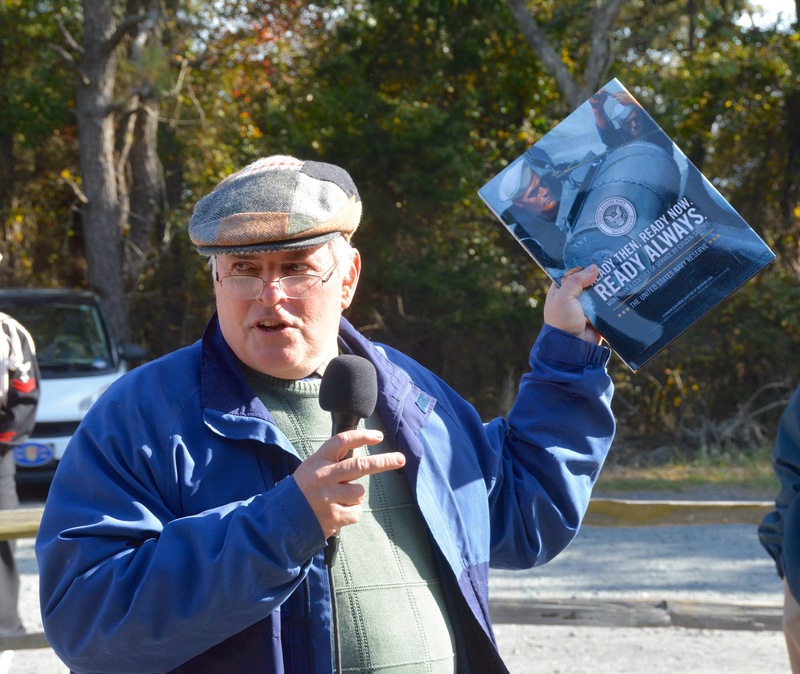
Communications and surveillance has been the Navy's role at the base, and bit by bit local historian and retired Navy Capt. William Manthorpe is uncovering that history in what is now Cape Henlopen State Park.
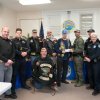
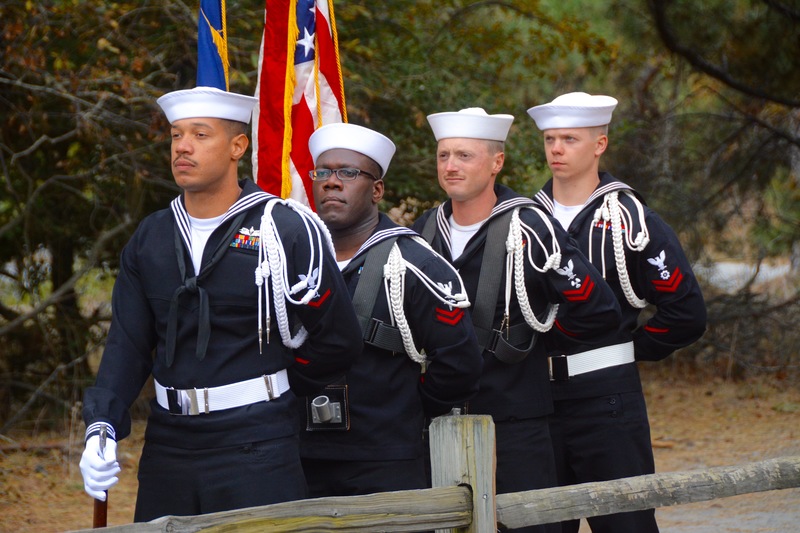
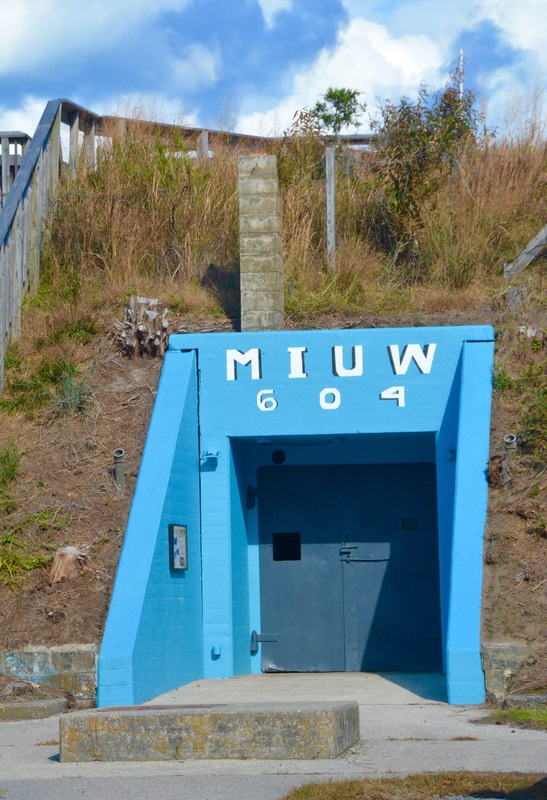
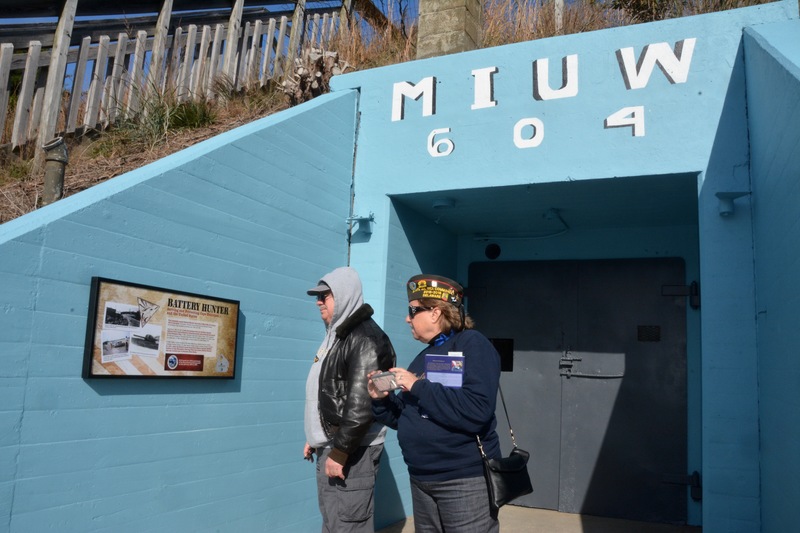
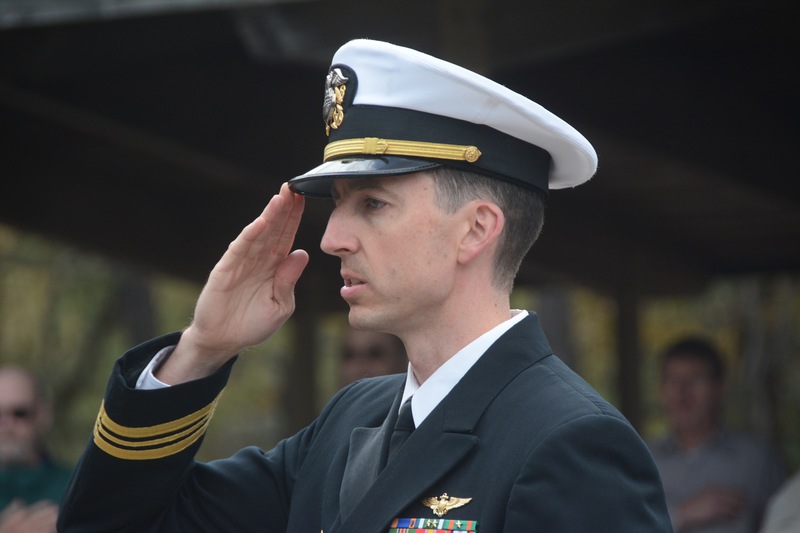
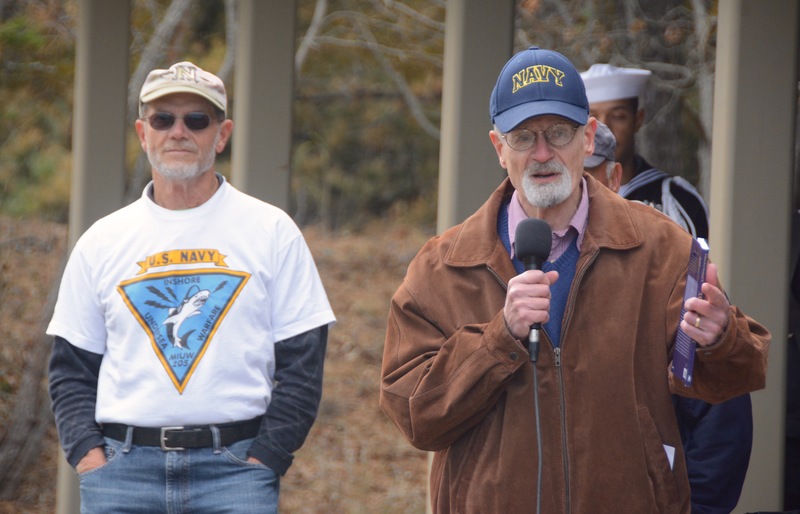
On the 100th anniversary of the U.S. Navy Reserve, a handful of area reservists attended an Oct. 18 ceremony to not only honor the Navy Reserve and those who served at Cape Henlopen, but also to unveil a sign to commemorate Battery Hunter. The entrance to the battery has also been painted the same light blue color it was when used by the Navy Reserves.
The bunker, site of the park's Hawk Watch program, served for 16 years starting in 1965, as home base for reservists, who drilled on the weekends and attended summer camps. Then, for another 15 years, reservists trained at the former SOSUS headquarters administration building. It was renamed the Navy Reserve Center and is now known as the Biden Center.
For nearly four decades after World War II, a mix of reservists and enlisted Navy personnel – with separate but supportive missions – served at Cape Henlopen.
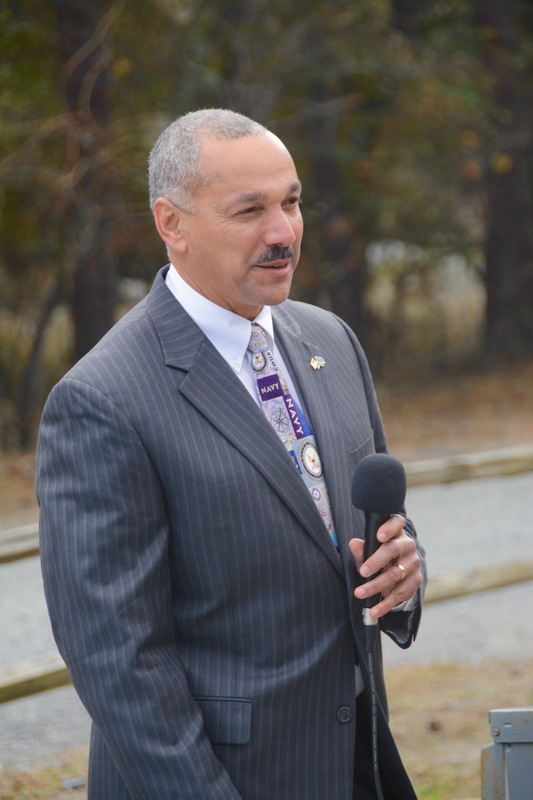
“This portion of the history of the fort was not being talked about until William Manthorpe came around,” said Shawn Heacock, Cape Henlopen State Park manager. “He's pushed hard for recognition for the Navy.”
|
1940s: Battery Hunter is one of several built as part of Fort Miles coastal defenses with a pair of 6-inch guns
|
||||
History is coming to light
Since retiring to the Cape Region in 1998, Manthorpe has been researching, writing and speaking on naval and maritime history in Delaware.
His book, “A Century of Service: The U.S. Navy on Cape Henlopen, Del., 1898-1996,” chronicles that nearly forgotten history.
After the Army turned over coastal defenses to the Navy in 1947, the area was known as Cape Henlopen or The Cape to Navy personnel, Manthorpe said.
Manthorpe – a 1955 Naval Academy graduate – served in the Navy for 40 years, retiring in 1994 as Deputy Director of Naval Intelligence.
Manthorpe does have a connection to Cape Henlopen. As a student in the Naval Intelligence School, he did some research on the beach, and then in 1962, he visited the SOSUS project.
In 2004, when he found out the state had torn down the original SOSUS building at Battery Herring on Herring Point, he decided it was time to get involved in an effort to draw attention to the role the Navy has played at Cape Henlopen.
Reserves started at Cape in 1957
Manthorpe said the role of reservists on the Cape was to train as individuals and as units in order to maintain a high level of readiness to carry out their mission in support of the operational forces of the Navy, which included surface and subsurface surveillance of harbors and beaches.
Reservists at Cape Henlopen date back to 1957 when units from Philadelphia and eventually the Wilmington area trained there for one day a month. Since there was no place to stay overnight, training was for one day only. In 1962, reservists took over a building – known as the chicken coop – so training time could be extended to an entire weekend.
Three years later when the Navy moved its radio station, reservists moved into Battery Hunter. Manthorpe said from 1965 to 1981 Battery Hunter evolved and the unit size increased so that a small contingent of Navy staff was stationed there. The Navy Reserve also had 15 acres around the bunker, 500 feet of ocean shoreline and one acre near the current fishing pier.
He said it was not unusual for more than 50 men and women reservists to train on weekends at Cape Henlopen. That was in addition to 150 enlisted Navy serving as part of the SOSUS project from 1962 to 1981.
In 1981, the reserve center was moved to the SOSUS administration building – now known as the Biden Center – and Battery Smith, the bunker behind the building. Five units used the site to train until 1996 when the center closed.
The first reservists who trained at Cape Henlopen encountered fairly spartan conditions. Manthorpe said reservists spent most of their time from 1965 to the mid-1970s actually creating a facility to train and work out of.
During the Vietnam War years, more attention was paid to Fort Miles and more money was allocated for equipment and training, Manthorpe said.
In another almost-forgotten part of history, most of the acreage in the park was a Department of Defense recreation area for military personnel and their families.