












Citizens oppose Clean Delaware permit
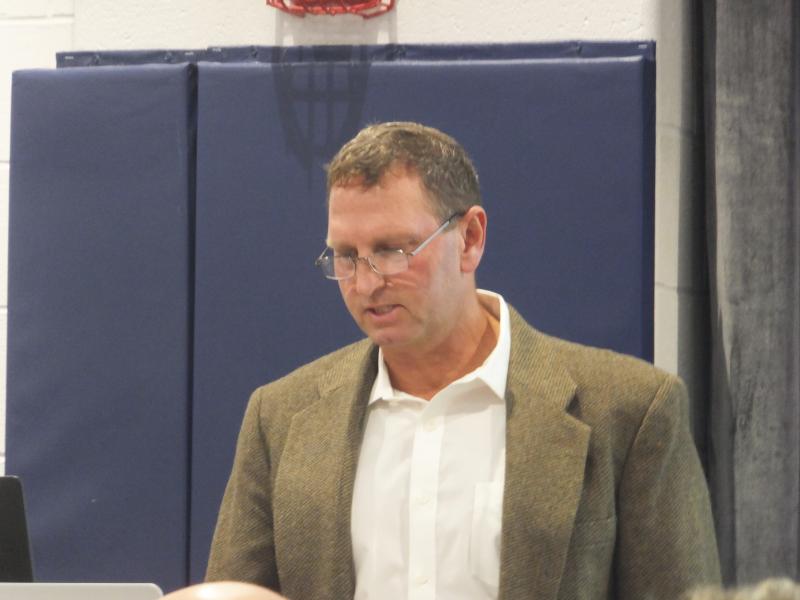
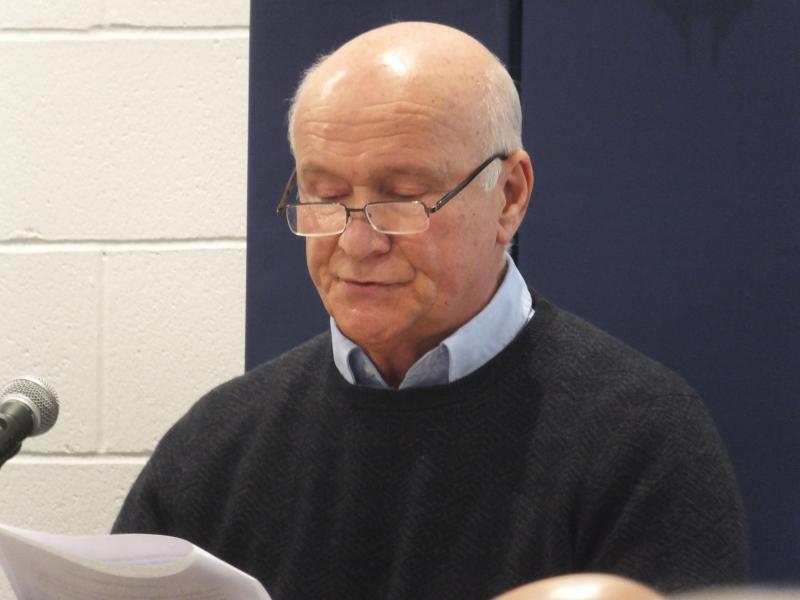
Clean Delaware is seeking to amend its spray irrigation permit to spray on more farmland outside Milton, but area residents and activists oppose the request. They cite the company’s past record of violations and say the company should not be allowed to expand.
Clean Delaware, which also has spray fields in Ellendale and Harbeson, owns 190 acres of land at its Milton facility, where it also has an on-site treatment plant.
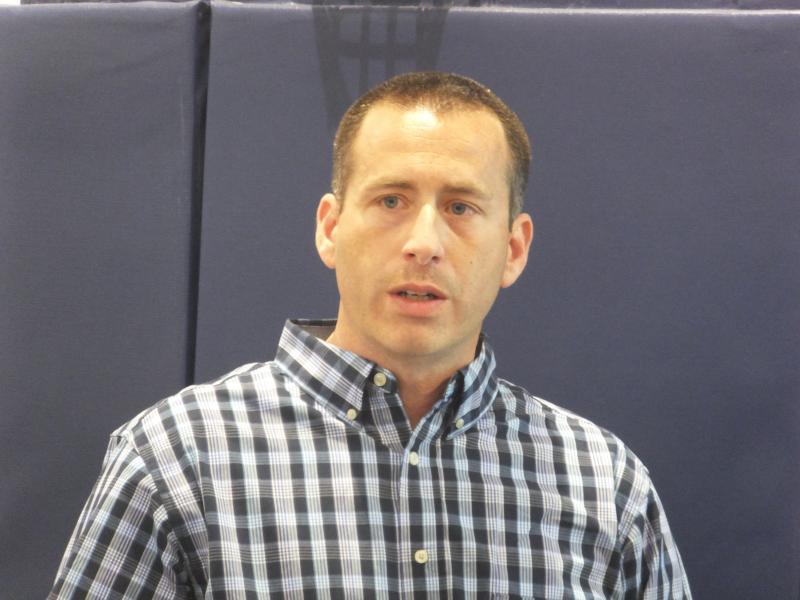
Brian Churchill, environmental scientist with Delaware Department of Natural Resources and Environmental Control, said Clean Delaware has seven fields off Gravel Hill Road outside Milton town limits, adjacent to homes in the Collins and Russell development. Churchill said Clean Delaware is permitted to apply treated wastes such as biosolids from municipal wastewater treatment plants, brewery wastewater, vegetable processing residuals and septage, or treated sewage pumped out of septic tanks.
Under the permit amendment, Clean Delaware would be able to rotate its septage spray irrigation fields among three fields - fields 1, 2 and 4, its three northernmost fields.
Gerry Desmond, general manager of Clean Delaware, said rotating septage fields would promote healthier fields and better crop yields, and increasing the acreage available for spraying would improve compliance with best land-management practices.
“I think it is going to do a better job for Clean Delaware and for all our neighbors,” Desmond said of the permit amendment.
Clean Delaware is also requesting to expand the range of materials it can spray and to spray on a cover crop, such as corn or soybeans, as long as the material does not give off a noticeable odor. Clean Delaware has also requested a quarterly testing schedule for nutrients and every five years for metals.
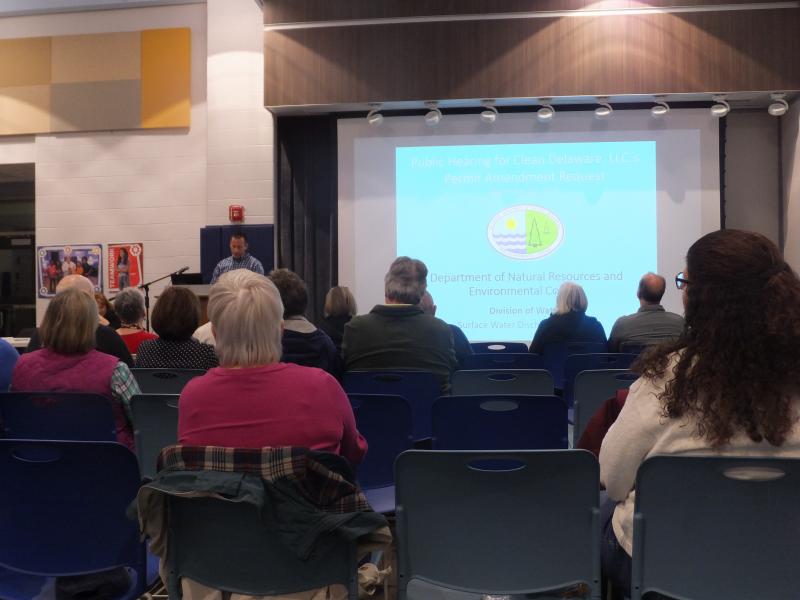
At a Nov. 20 public hearing, only five people spoke, but all were vehemently against amending Clean Delaware’s permit.
Anthony Scarpa, co-founder of citizens action group Keep Our Wells Clean, said Clean Delaware has caused contamination of private wells in the Collins and Russell development. Before any permit is granted, well testing and an environmental impact study of these private wells should be undertaken by DNREC, Scarpa said. He said DNREC should evaluate the impact of Artesian Water Company’s spray fields across the street. Scarpa said the combined impact of the two entities will have a negative effect on private wells in Collins and Russell development.
Milton resident Tom Diorio said, “I cannot understand how DNREC continues to look at the health of corporate entities over the health of its citizens.”
Andrea Green, a co-founder of Keep Our Wells Clean, said, “Everyone here has seen or smelled the spraying while driving by.”
Green said quarterly testing is insufficient given past contamination at the Clean Delaware site, and she is concerned groundwater contamination will eventually seep its way into Milton.
Shelly Cohen of Milton said, “I think DNREC needs to start saying ‘No.’ Yeah, we need businesses, but we need to have cleaner businesses.”
Public comment on the application will be received until Saturday, Nov. 30, and can be submitted at DNREC’s website under “public hearings.”

Ryan Mavity covers Milton and the court system. He is married to Rachel Swick Mavity and has two kids, Alex and Jane. Ryan started with the Cape Gazette all the way back in February 2007, previously covering the City of Rehoboth Beach. A native of Easton, Md. and graduate of Towson University, Ryan enjoys watching the Baltimore Ravens, Washington Capitals and Baltimore Orioles in his spare time.