













Dewey commissioners approve $4.4 million budget
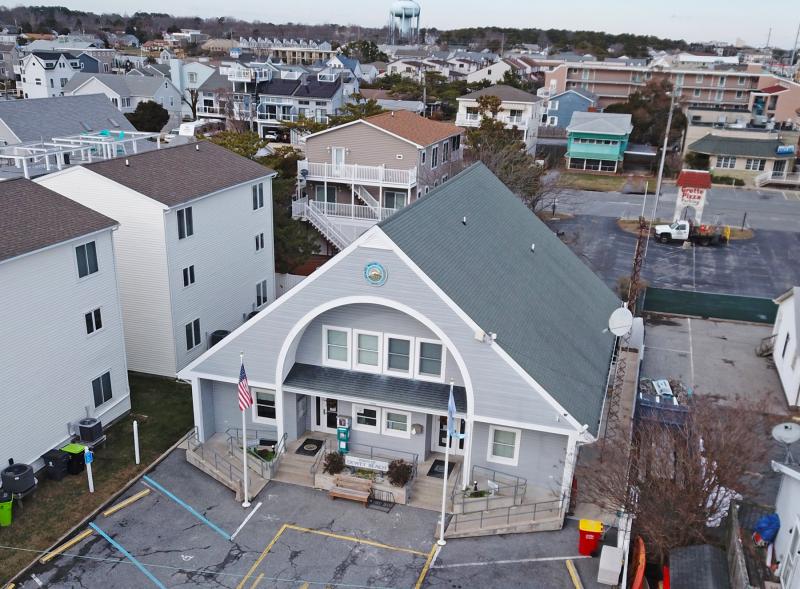
Dewey Beach commissioners unanimously approved the 2023 fiscal year budget March 4, in what Mayor Bill Stevens described after the meeting as the town’s best financial year ever.
“As of Jan. 31, 2022, we had total revenue of $5,376,000 compared to $3,314,000 budget, so we are $2 million better than budget,” Stevens said. “From a net income, before set-aside accounts, we budgeted $291,000 and achieved a year-to-date net income of $2,370,000.”
Additionally, Stevens said, the town’s cash balance increased by approximately the same amount.
“So, not invested, but our cash and equivalents at the end of January was $12,550,000, and we started the fiscal year at $9,765,000,” Stevens said.
The budget, which runs from April 1 to March 31, shows $4.46 million in revenue and $4.32 million in spending, with a net income of just over $137,000.
Projected revenue is $719,800, or 19 percent higher than last year’s budget, and expenses are $606,942, or 16 percent higher than last year. Expenses included a set-aside increase due to boosts in hotel and accommodation tax, Stevens clarified after the meeting.
Net income increased $112,858, or 457 percent from last year, also due to set-asides, Stevens said.
The revenue gain reflects an estimated $500,000 increase in hotel and accommodation tax, $110,000 in building permits, and $145,000 in parking, offset by decreases in transfer tax caused by lack of inventory, Stevens said.
Before the meeting, Stevens said, town officials reviewed a salary analysis comparing Dewey Beach’s full-time staff to those in neighboring towns. On average, Stevens said, Dewey salaries were at 86 percent of those in other towns, so commissioners approved an immediate increase, bringing salaries up to 95 percent.
“We needed to fix that gap or risk losing some talented members of our team,” Stevens said. “We also increased the hourly rates of our seasonal employees for the same reason. The cumulative effect, including salaries, payroll taxes and other people-related expenses, increased our annual people budget by $317,000.”
The town’s pre-set-aside account (operating revenue committed to streets and infrastructure or capital improvements) operating expenses increased from $3.5 million to $3.9 million, Stevens said.
“The people-related expenses obviously made up a large percentage of the increase,” Stevens said.
Regarding salaries for seasonal lifeguards, police officers and parking ambassadors, commissioners approved a total expenditure of $746,000, down from an original projected expenditure of $769,000, for Town Manager Bill Zolper to allocate where appropriate.
During the meeting, Commissioner David Jasinski noted that lifeguards received a 10.4 percent raise, seasonal police received a 15 percent raise, and parking ambassadors received a 13.9 percent increase.
“It is easy for us to have a 10-15 percent increase when you are starting with a $14 hourly rate and going to $16 per hour, but the labor market is tight, and we needed to be competitive,” Stevens said. “In summary, we corrected our deficit and invested in our people for the future.’
During the meeting, Jasinski and Commissioner Gary Persinger raised concerns about the allotted number of seasonal employee hours.
Jasinski noted that, per charter, the town can only borrow $3 million to pay for a proposed new town hall, so remaining funding would have to come from reserves or other sources. Infrastructure projects will also be in demand, Jasinski said, suggesting that the town hire fewer seasonal staff than planned.
Persinger said raising the number of hours for parking ambassadors by 250 percent seemed “way out of whack” but the town could possibly hire enough of those employees. If enough revenue is generated, Persinger suggested allocating excess funds to capital improvement or infrastructure needs.
Zolper said he was confident the town would be able to hire enough lifeguards, but wasn’t sure about other seasonals. This year, the town has the lowest total number of employees, at 88, since 2019, Zolper said.
Police will patrol the beach at night this year rather than lifeguards, Zolper said, and revenue will go up with more parking ambassadors on the street.
“Last year we had a tough time getting anybody to write tickets after 10 o’clock at night,” Zolper said. “We did miss some revenue there last year.”
Seasonal employee hours could be adjusted in June or July, commissioners agreed, and could further be adjusted down next year if needed.