












Help give wildlife a second chance






In 1976, following the last in a series of five oil spills in the Delaware River where thousands of animals died, Tri-State Bird Rescue & Research was founded to explore the effects of oil on wildlife and to develop research and treatment procedures.
Today, Tri-State Bird Rescue, whose facility is located in Newark, operates a federally licensed, nonprofit avian rehabilitation clinic and cares for 3,000 injured and orphaned native birds annually. The agency staffs a professional 24-hour oil spill-response management team.
“We get anywhere from 100 to 150 species of birds every year, but it can be a lot more depending on the situation,” said Lisa Smith, executive director of Tri-State Bird Rescue.
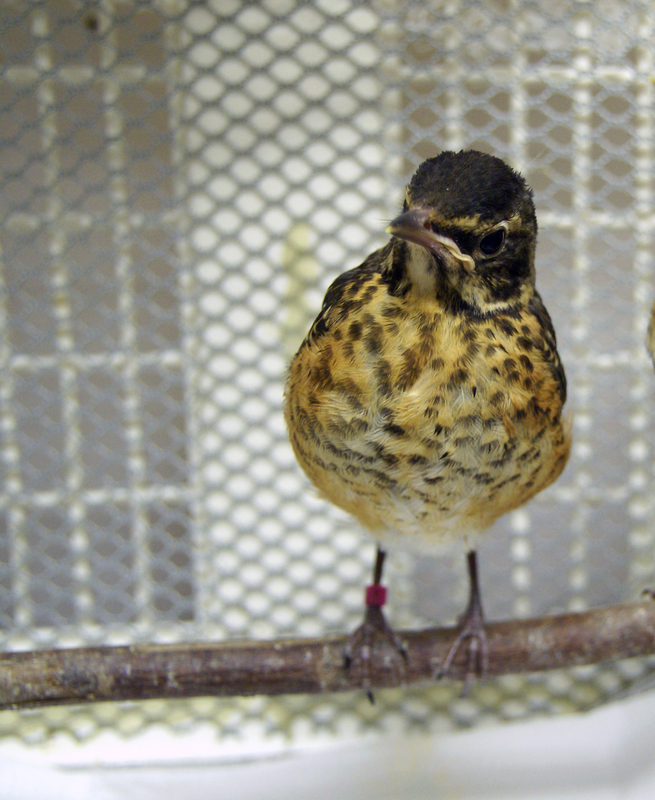
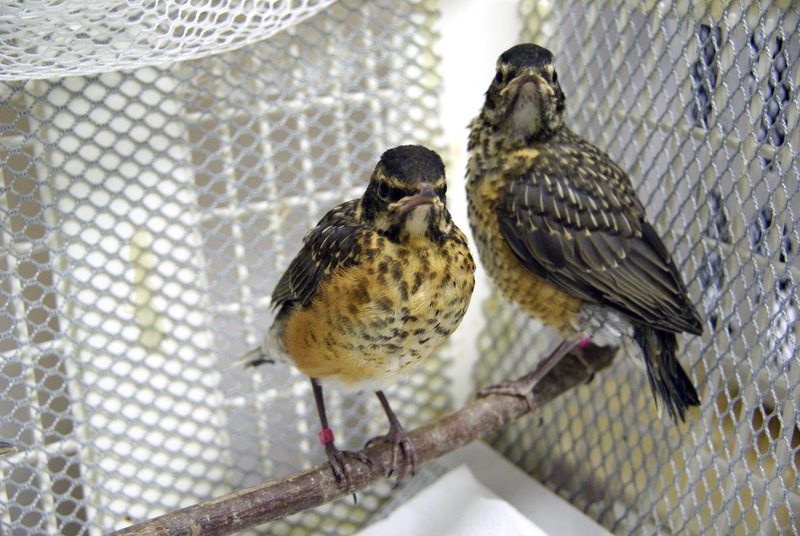
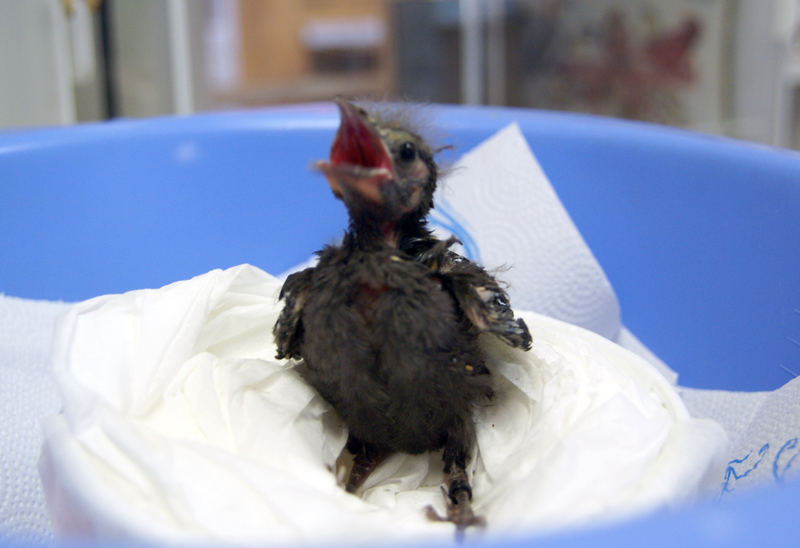
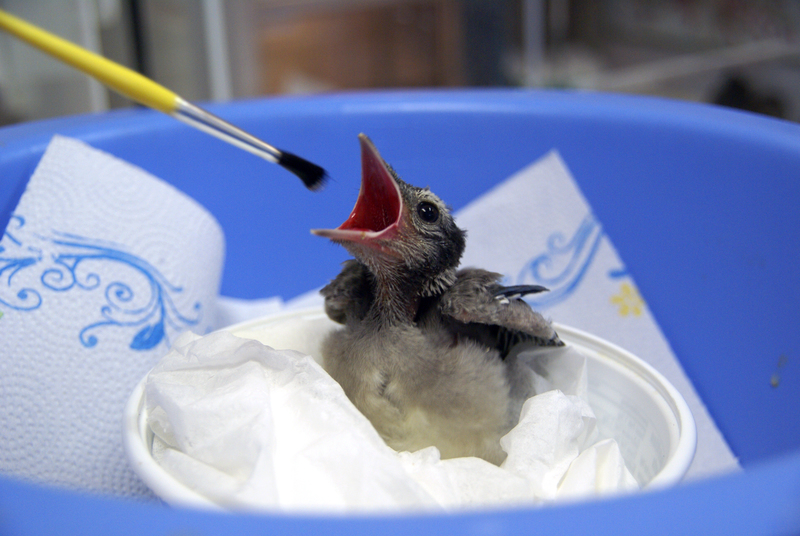
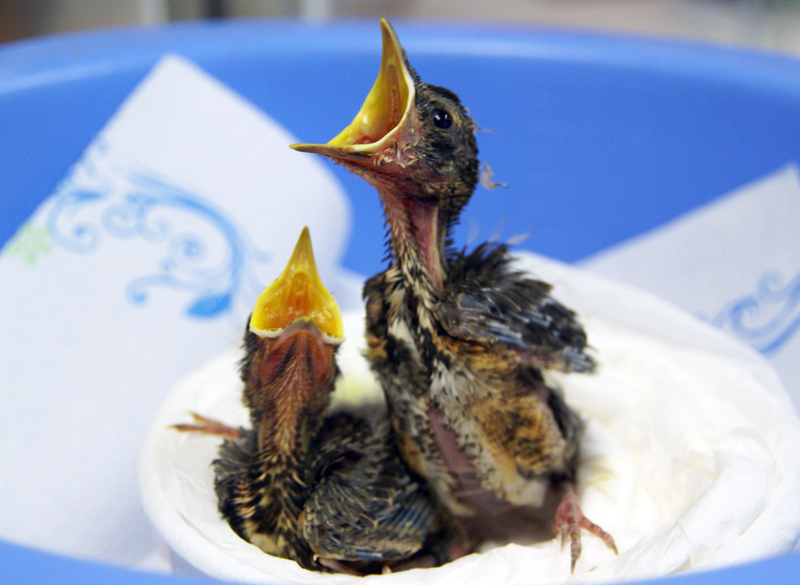
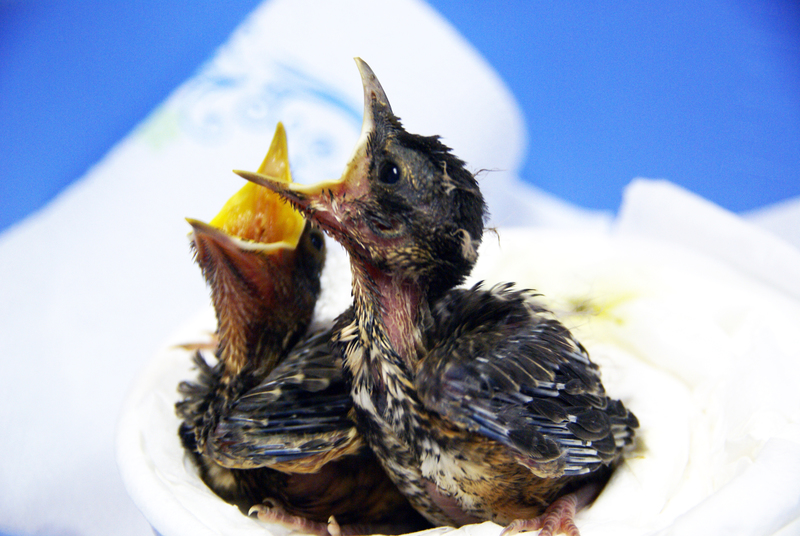
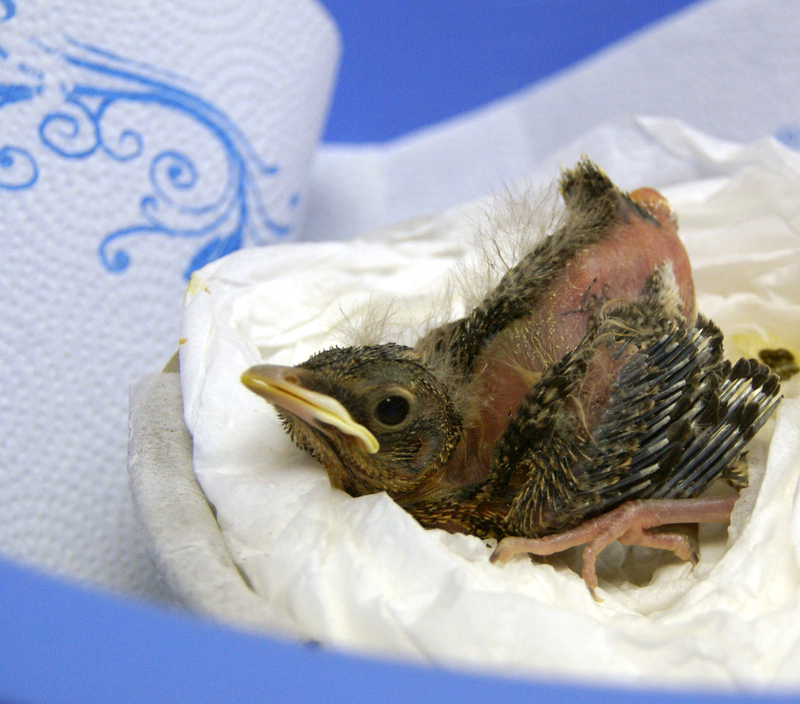
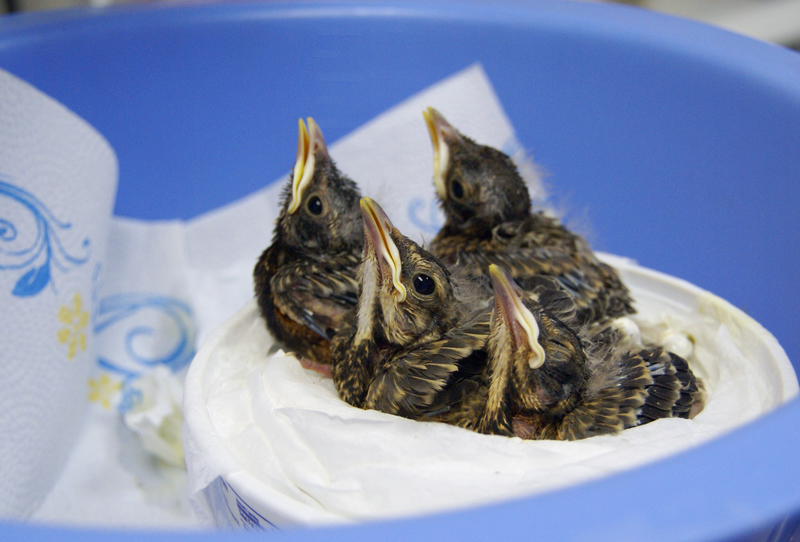
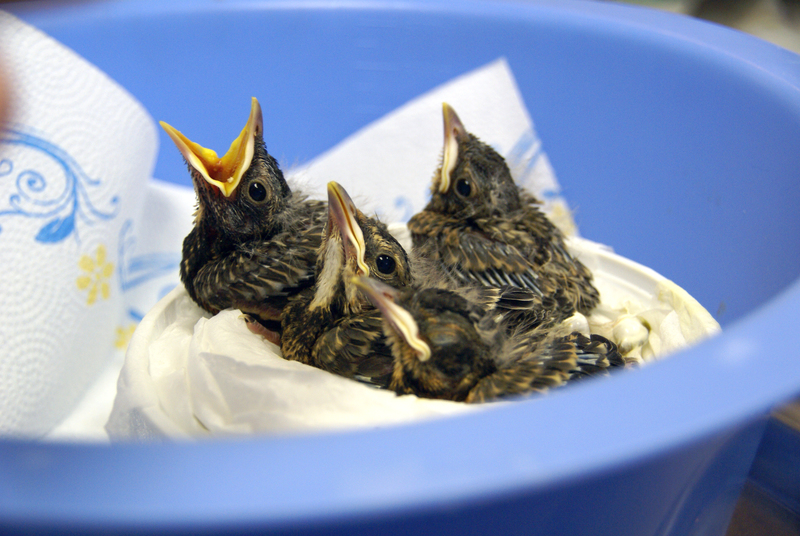
If no oil spill occurs, Tri-State's most likely customers are baby birds. They might have an injury if they have fallen from a nest, or they might have been picked up by a cat or a dog, causing soft-tissue injuries. From the incubator, the little birds graduate to a laundry basket or a screen cage, depending on the species, and from there they go to an outside cage.
“We do what we call soft release – there’s a hatch in the cage and we just open it so that the birds can let themselves out. A couple of days and they are done with people. There’s something in their brain that kicks in and they just become wild birds,” Smith said.
Tri-State’s small professional staff is augmented by an army of volunteers who donate 30,000 hours annually to keep Tri-State’s programs running smoothly. “We could not raise those birds without our volunteers, it would not happen,” Smith said.
Some of the Tri-State’s volunteers, including Lisa Coyle, are ready to drive three hours to help, gain experience and learn. “I come from Pennsylvania, so it is about an hour-and-a-half each way, but I chose Tri-State, because they are the best in the country, and they are doing such a great job with the birds,” Coyle said.
When an oil spill occurs, Tri-State is notified if wildlife is affected. Depending on where the spill is, they bring birds back to their facility or they set up a remote location wherever they can find one.
“We bring our water heaters and all the equipment we need, which is what we did during Gulf of Mexico spill restoration,” Smith said. “We were their lead responder for wildlife in the Gulf, and we set up rehab facilities in Louisiana, Mississippi and Florida, where we were from April 2010 until January 2011.”
“If we need to, we will go international. We’ve already been to Estonia, South Africa and England, but definitely our main focus is on the East Coast, Mid-Atlantic,” Smith said.
Tri-State is always in need of people willing to help transport birds to or from the center, especially from Sussex and Kent counties. Some callers are unable to bring in a bird they have found, so volunteers are needed to pick them up. When a bird is farther away than one transporter wants to drive, two or more volunteers relay the bird to the clinic for care. “Last year, we received 300 birds from Kent and Sussex counties,” Smith said.
If anybody is interested in becoming a transporter to drive birds up to Newark or part way, please contact Julie Bartley, volunteer manager, at 302-737-9543 Ext. 102.
“Our transporter network is a very valuable asset for wildlife,” Smith said.
Talents are needed in a variety of areas such as bird care, oil-spill response, front desk reception, landscaping and maintenance, office support, fundraising, marketing and special events.
Top 10 things to protect wild birds
• Keep your pets under control, and keep cats indoors.
• Hang hawk silhouettes, decals, or other ornaments in windows to reduce the chance of impact injuries.
• Look before you lop! Check for nests before you trim bushes or cut down trees. Better yet, do your pruning in the winter – it is better for the plants!
• Keep your bird feeders clean.
• Drive carefully and watch the roadsides for wildlife, especially at dawn and dusk.
• Cap your chimney and install an approved clothes-dryer vent cover.
• Use natural or organic alternatives to chemical pest control or lawn care. Many birds die every year from exposure to these chemicals.
• Pick up litter, especially fishing line and plastic six-pack rings.
• Dispose of hazardous household products properly.
• Educate children to respect wild birds and not capture them.
For more information on these topics, please visit www.tristatebird.org