













House, Senate leaders set deadline for bills in committee

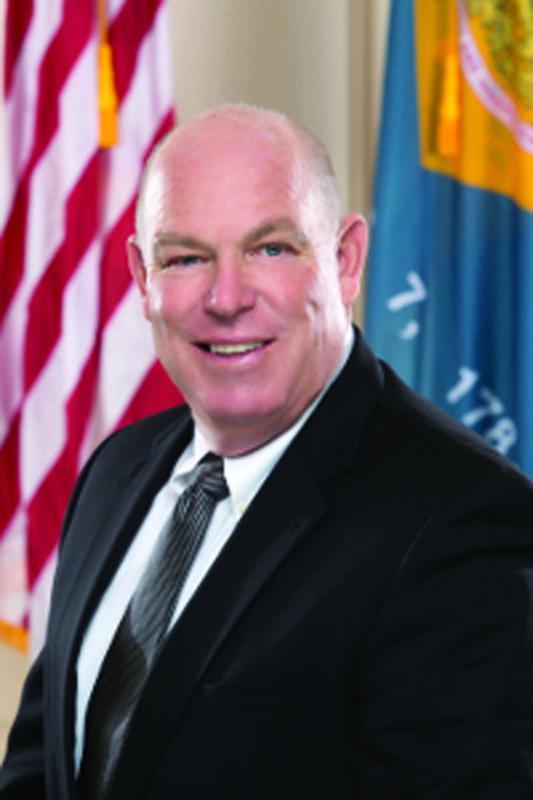
Leadership in the House and Senate announced Jan. 22 a deadline for bills considered in committee in both the House and Senate.
Speaker of the House Rep. Pete Schwartzkopf, D-Rehoboth Beach, and Senate President Pro Tempore Sen. David McBride, D-New Castle, set a new procedure for this session in an effort to smooth out the ending of the legislative session. Last year was the first in recent memory that the legislative session ended before 1 a.m.
Under the new procedure – which can be set by legislative leaders and does not need a vote – June 10 would be the last day that each chamber's committees could consider bill originating in their respective chambers. This means, it would be the last day House committees could consider House bills, and Senate committees could consider Senate bills.
For bills to follow the normal process, they would need to be passed by each originating chamber the following session day on June 11. The last normally scheduled committee day for each chamber would be the following week on June 17 – the final day each chamber’s committees will consider bills from the opposite chamber.
“We have heard the concerns legislators, advocates and residents have raised about the late flood of bills that pass through our chambers in June,” said Schwartzkopf. “By implementing a last committee day and announcing it in January, we are sending a clear message that we intend to alleviate that late logjam. We have discussed this proposal with the governor’s office and our Republican colleagues, and we are confident this will help us have a smoother, more orderly final weeks of session.”
The goal of this procedure is to significantly reduce the number of bills that pass through both chambers in the final days of session, often requiring shortly noticed meetings or suspension of rules. Both leaders said they are instructing their members to abide by these procedures. The budget, bond bill and grant-in-aid legislation will not bound by these procedures. Special committee meetings still could be scheduled to consider legislation after that date. House and Senate rules also can be suspended to allow for votes on bills without a committee hearing in the event of an emergency.
Schwartzkopf and McBride noted that if this process works well this year, both chambers could incorporate it into their respective rules, which the House and Senate enact at the beginning of each two-year General Assembly.
Also on Wednesday, the leaders announced that both chambers fully intend to finish session by 1 a.m. or earlier on July 1, shortly after the constitutionally mandated legislative special session begins after midnight. While June 30 is regarded as the last day of each session, the General Assembly must remain in session past midnight to trigger a special session so each body can call itself back into session during the recess from July through early January if needed.

Melissa Steele is a staff writer covering the state Legislature, government and police. Her newspaper career spans more than 30 years and includes working for the Delaware State News, Burlington County Times, The News Journal, Dover Post and Milford Beacon before coming to the Cape Gazette in 2012. Her work has received numerous awards, most notably a Pulitzer Prize-adjudicated investigative piece, and a runner-up for the MDDC James S. Keat Freedom of Information Award.