












Lewes playground remembered at Black history event
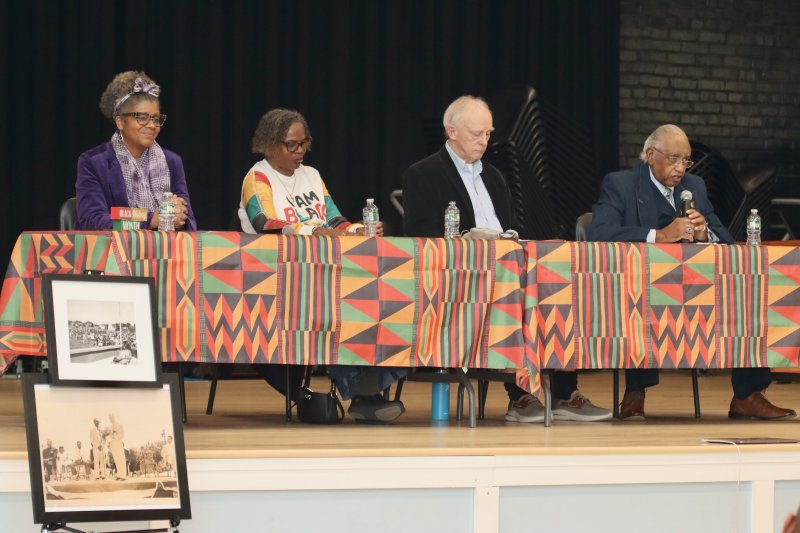
The parcel was only 9-acres square, but it was the whole world to generations of African American children who grew up in Lewes.
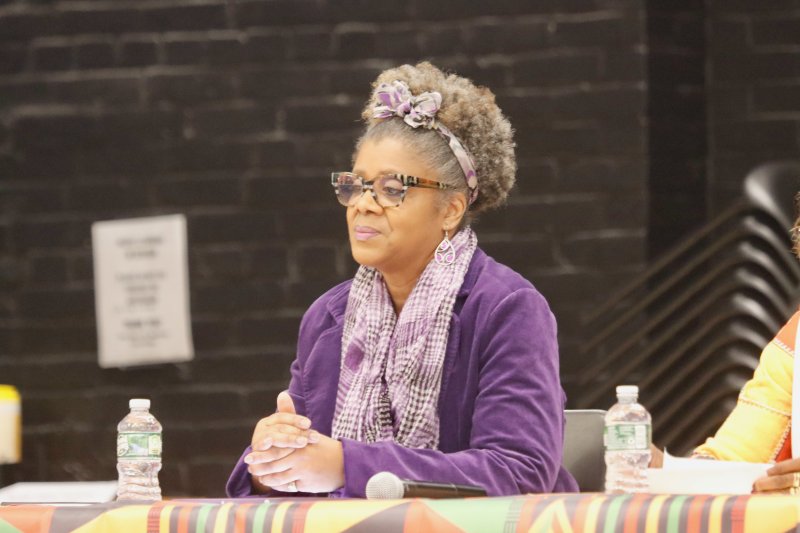
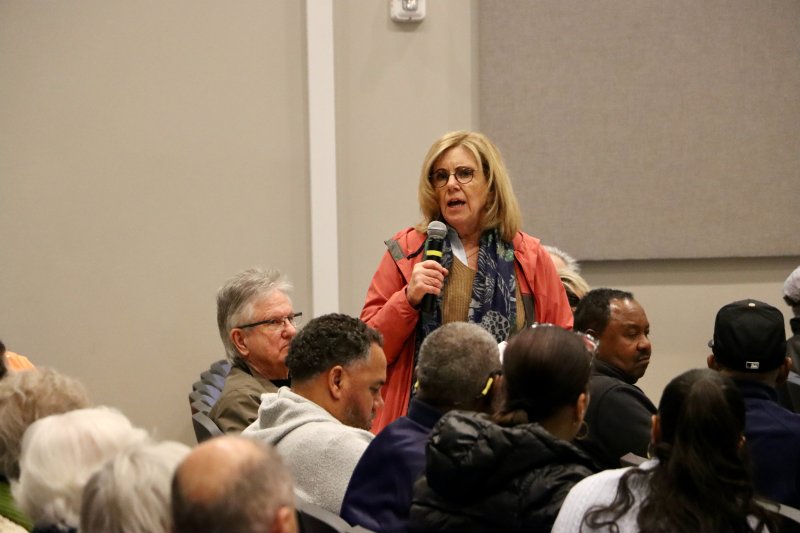
The Lewes African American Heritage Commission hosted “This Used to be My Playground” Feb. 21, a gathering of some of those former young people who reminisced about their hallowed ground.
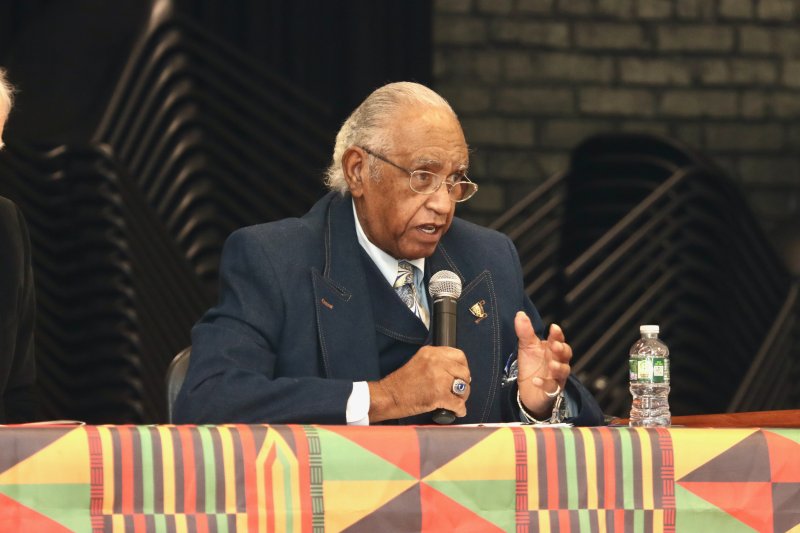
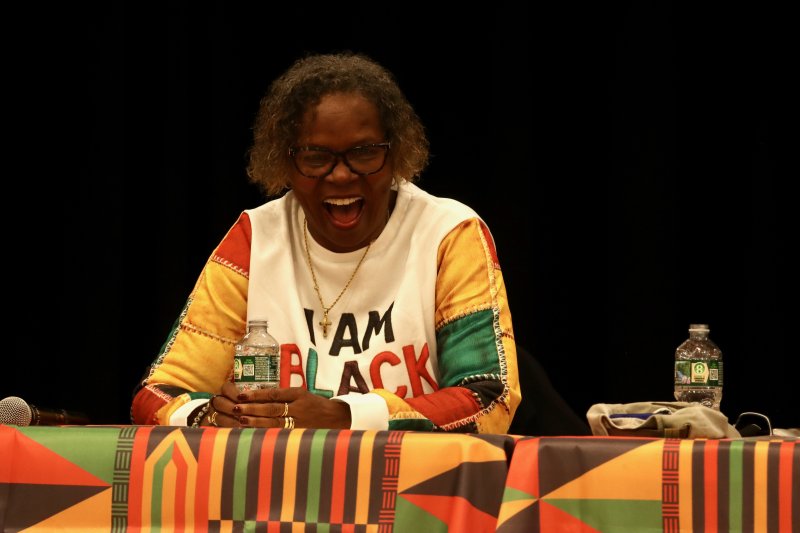
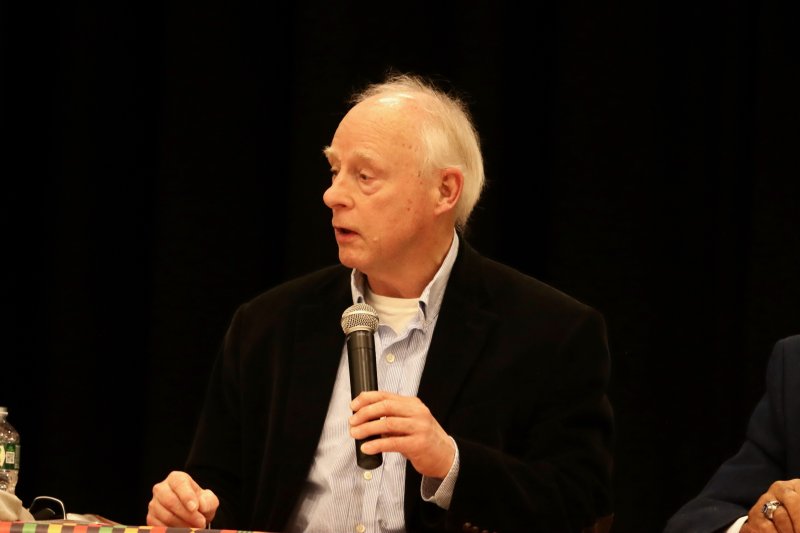
The panel comprised Trina Brown-Hicks, who spoke on behalf of her sister; Deborah Robinson, who was not able to attend; Janet Maull-Martin; Robert Schroeder; and Louis “Half” Stockley. Darryl Daisey, commission chair, served as emcee.
“The playground was an integral part of my life. Reminiscing of those days gone by brings a smile to my face,” Brown-Hicks said reading from her sister’s memories.
The playground was located where the current Shipcarpenter Square development is today. It was bordered by West Fourth Street, Park Avenue, Burton Avenue and West Third Street in the middle of Lewes’ African American neighborhood.
The land was owned by Otis Smith, the former Lewes mayor. Kids played there from 1957 until the parcel was sold in 1978.
The playground comprised swings, a see-saw, monkey bars, a merry-go-round and open space that allowed kids to be kids.
“I got my first kiss under that merry-go-round,” Maull-Martin said.
The grounds were home to social gatherings, like the annual May Day celebration, events held by the men’s civic club and the Jolly Jills, and Sunday van shows.
“We couldn’t start the shows until after 12 o’clock, which was church time right across the street. So we couldn’t play our music. But when church let out, we lit her up,” Stockley said.
Then, there were the sports that served as a catalyst for what was to come.
It was on the baseball fields that Black and white children first learned to all just get along, years before the integration of Lewes public schools.
There was a small diamond at Third and Burton where the white kids played, a much larger and better equipped diamond at Fourth and Burton that was home to the Black kids.
“At some point, Black and white kids started playing together. No one remembers how that happened,” said Schroeder, the lone white member of the panel. “It was a seamless integration – no animosity, no acrimony, just a mingling of two different groups whose goal in life was to play baseball and have fun.”
The Lewes Cardinals baseball team played on the field, drawing players and spectators from around the region. Chris Short, who later pitched for the Philadelphia Phillies, played on that diamond.
Dave Robinson, a hall of fame lineman who played for Penn State and the Green Bay Packers, used to throw a football with kids when he came to visit his brother, the Rev. Frank Robinson.
Pitcher Ben Wiltbank, who was drafted by the Pittsburgh Pirates in 1977, also got his start on the playground and at Cape Henlopen High School.
The playground was sacred ground for kids, but always monitored by adults from their front porches and kitchen windows.
“The neighborhood watch was always on duty,” Maull-Martin said.
She said, despite the euphoria, there was racism in Lewes.
“My cousin told about the time [in 1977] that a cross was burned at the far end of the playground in opposition to him dating a white girl,” Maull-Martin said. “The culprit wasn’t the Ku Klux Klan or angry white individuals, it was her brother and his friends. It was simply the result of the times we lived in.”
Lewes Mayor Amy Marasco and Brown-Hicks, who serves on city council, have launched a working group to explore historic markers and naming of land, which could include recognition of the playground.
Maull-Martin said recognition would help explain the deeper importance.
“No marker stands today to tell others what that parcel of land meant to the African American community,” she said. “People who drive by today and only see a cluster of homes, but when I pass that hallowed ground, I see beyond what it is today, I see what it once was, for it used to be my playground.”

Bill Shull has been covering Lewes for the Cape Gazette since 2023. He comes to the world of print journalism after 40 years in TV news. Bill has worked in his hometown of Philadelphia, as well as Atlanta and Washington, D.C. He came to Lewes in 2014 to help launch WRDE-TV. Bill served as WRDE’s news director for more than eight years, working in Lewes and Milton. He is a 1986 graduate of Penn State University. Bill is an avid aviation and wildlife photographer, and a big Penn State football, Eagles, Phillies and PGA Tour golf fan. Bill, his wife Jill and their rescue cat, Lucky, live in Rehoboth Beach.