













Public health officials warn about Juuling trend among teens

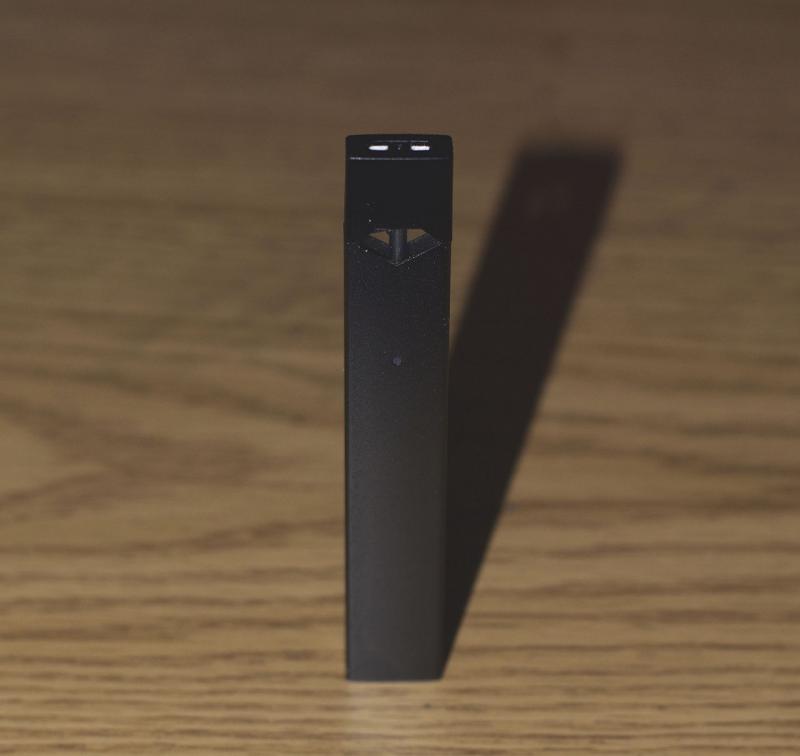
A sleek electronic cigarette that looks like a flash drive for a computer and can deliver high amounts of nicotine is gaining popularity with teens, say Delaware Public Health officials.
The brand known as JUUL comes in a variety of colors and patterns. Users plug different flavored cartridges, such as candy or fruit, into the JUUL to inhale. The process is similar to vaping, but officials say, teens refer to it as JUULing. The vapor dissipates quickly, and the device is small, making it popular with students at school even when they are in the classroom, said Andrea Wojcik, acting section chief of the Division of Public Health.
A recent study found that 37 percent of JUUL users, 15 to 24 years old, are uncertain whether the product contains nicotine, Wojcik said. According to the product label, she said, just one JUUL pod allows for 200 puffs and contains the same amount of nicotine as one pack of cigarettes. In less than five years, she said, e-cigarettes and vape products have become the fastest-growing sector of the American tobacco industry. In Delaware, e-cigarettes are the most commonly used tobacco product among youth, Wojcik said.
“There is no safe form of tobacco,” said DPH Director Dr. Karyl Rattay. “Students are under the impression that JUULing is safe and that these products don’t have nicotine, however, that is not the case. We believe it is important to educate parents and teachers about this trend, and e-cigarettes in general, and that it is critical that students understand the dangers posed by JUULs and nicotine as well.”
Among teenagers, officials say, experimentation with electronic or e-cigarettes became popular in 2015. According to the 2015 Delaware Youth Risk Behavior Survey, Wojcik said, about 24 percent of public high school students had used e-cigarettes in the past month, and about 2 percent were smoking or vaping e-cigarettes daily.
In 2014, Delaware banned the sale of e-cigarettes to minors, and a year later the state expanded the Delaware Clean Indoor Air Act to include prohibiting the use of e-cigarettes and other electronic vapor devices in workplaces and indoor public place.
While research is under way to determine the health effects of e-cigarette usage, aerosol from e-cigarettes contains harmful substances such as nicotine, lead products and cancer-causing agents, according to the Centers for Disease Control and Prevention.