













Rehoboth budget exceeds $50 million
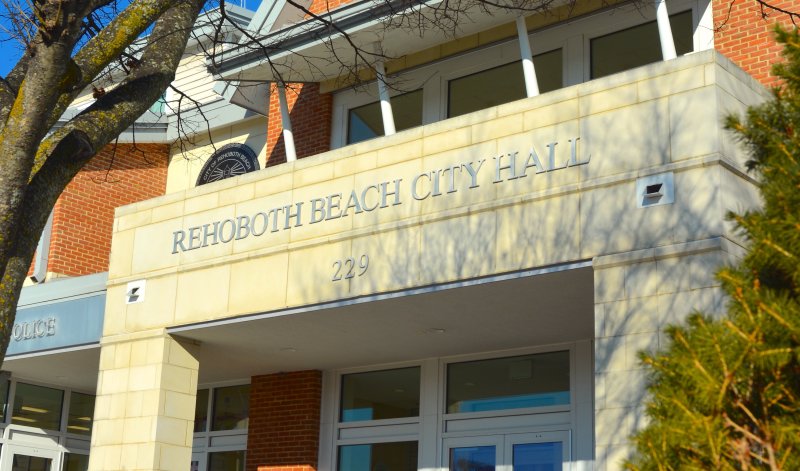
After months of discussion, Rehoboth Beach officials approved a record-breaking, but balanced, budget of $50 million for Fiscal Year 2027 during a meeting March 20.
The amount represents about a 15% increase over the current fiscal year, which ends March 31. However, there are no tax increases and no new fees.
City officials began working on the budget back in January. City Manager Taylour Tedder reviewed the budget in advance of commissioner approval.
The city has three funds: the general fund for day-to-day operations, a wastewater fund and a water fund.
The general fund’s budget is $29.9 million, with about $4.4 million in capital improvements. Parking-related revenue makes up about 43% of the city’s budget, with rental and accommodation taxes bringing in nearly 19%, and transfer and property taxes each bringing in a little more than 10%. Total capital outlay across all funds is $13.6 million.
The water fund is expected to see about $5.6 million in revenue, with a net operating surplus of about $3 million after expenditures and debt service. There are $4.3 million worth of capital improvements slated for the water department, but $1.3 million of that is being funded through PFAS settlement money.
Significant drivers in the overall increase to the budget are planned capital improvements at the wastewater treatment plant. However, more than half of those improvements will be paid for by Sussex County and North Shores because of use agreements the city has with them. For FY27, there is $4.89 million to cover capital improvements, but the county and North Shores are expected to pay for almost $3 million of those improvements.
Commissioners didn’t spend too much time actually talking about next year’s budget. Instead, most of the discussion was centered around future fiscal years.
At an earlier meeting, Commissioner Craig Thier expressed concerns about the impact capital improvements could have on future budgets and how staff was planning to use about $12 million of the city’s savings over the course of the next four years to pay for those improvements.
Tedder came to the March 20 meeting prepared to explain the city's fund balance position. He said the city has an unassigned fund balance of $53.5 million across all three funds, which is about $20 million more than the city’s fund balance policy calls for the city to have on hand in case of an emergency.
Projected out to Fiscal Year 2031, Tedder said, the city would still have more than $10 million in excess of what the fund balance policy calls for, and that’s not taking into account any increases in the accommodations taxes because of new hotels or the new neighborhood proposed for the Ocean Bay Mart property on Route 1. The city’s fund balance has grown over time and shows the great fiscal health the city is in, he said.
At the conclusion of Tedder’s presentation, Commissioner Susan Stewart confirmed the city was on strong fiscal standing this year and out into future years. The future wishlists are for planning projections of projects, not approved expenditures, and most projects would require commissioner approval before a penny is spent.
“Presenting this aspirational list as a looming deficit distorts the facts,” said Stewart.
In response, Thier said there are examples of projects that have increased in cost from when they were first introduced earlier in the budget discussion. For example, he said, the city had about $500,000 for work at Well 6, but it’s now more than $2 million.
“That’s the stuff that makes me really nervous, particularly when we’re talking about using the city’s savings,” said Thier.
There’s an operating surplus in FY 2027, which is the budget the commissioners are supposed to be focused on now, said Stewart. Financial forecasting is important, but focus on this budget, she said.
Commissioner Chris Galanty said the city is in good fiscal shape.
There is no deficit and no structural imbalance, said Galanty. A deficit occurs when one-time money is used to fund recurring expenses, and that is not happening here, he said.
Throughout the budget cycle, city officials had discussed the possibility of increasing fees and penalties, and that still might happen, but it will be at a future date. That topic was on the agenda, but Mayor Stan Mills removed it at the beginning of the meeting.
In the end, the budget passed by a 5-2 vote, with Thier and Commissioner Suzanne Goode voting against it.

Chris Flood has been working for the Cape Gazette since early 2014. He currently covers Rehoboth Beach and Henlopen Acres, but has also covered Dewey Beach and the state government. He covers environmental stories, business stories and random stories on subjects he finds interesting, and he also writes a column called Choppin’ Wood that runs every other week. He’s a graduate of the University of Maine and the Landing School of Boat Building & Design.