












Six proposals to limit development offered to Sussex County Council
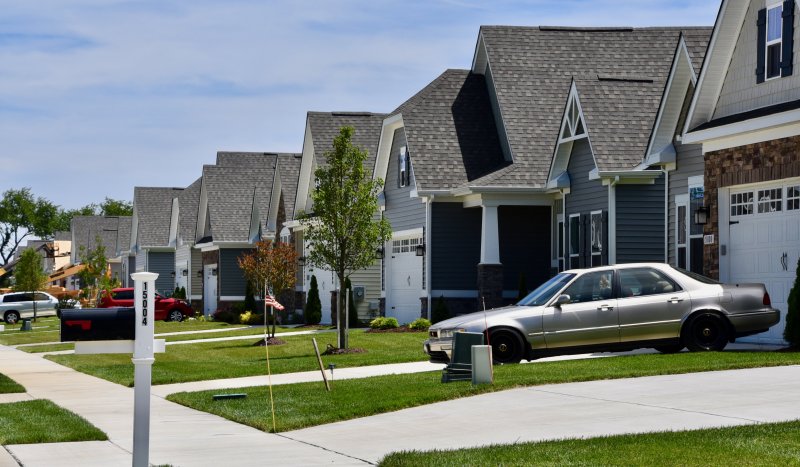
Sussex County Administrator Todd Lawson outlined six rule changes March 3 for county council to consider in the interest of redirecting housing growth.
The draft laws are expected to be presented at the Tuesday, March 10 council meeting, when the process to plan public hearings will begin and eventually lead to votes on the proposed changes.
“Our hope is to get through all of this in the next couple of months,” Lawson said.
The proposals will affect:
- Overhaul of the Sussex County Rental Program
- Open space requirements
- Preliminary plat requirements, interconnectivity and superior design
- Subdivisions in rural areas and growth areas
- Forest preservation
- New code definitions.
Councilwoman Jane Gruenebaum suggested pausing approvals of housing development projects by a certain date so those that had not gotten far in the process would be subject to the new rules when they are enacted.
Lawson said he would discuss with legal staff how that could be accomplished.
The proposals discussed March 3 came from recommendations finalized in September by the Land Use Reform Working Group that the council created to find ways to limit housing development. Other work group suggestions that will require more time to craft into draft ordinances will be considered later, Lawson said.
Unchecked growth, particularly in rural areas of the county that lack infrastructure to support it, has burdened roads, schools, emergency services, healthcare systems and the environment.
Affordable housing rules may be the most significant of the changes that will be considered soon, Lawson said.
He noted the significant need for affordable housing, the working group’s focus on that need and efforts by the state to press municipalities to ease rules to encourage construction of such housing.
The 6-year-old county rental program has only drawn one developer, and that project is struggling, Lawson said.
“It doesn’t seem that what we’ve tailored [in the existing rules] has attracted people to take advantage of this process,” Councilman Steve McCarron said.
So, the county will consider reducing the percentage of units in a development approved through the rental program that are subject to reduced rent and also increase the cap on participating residents’ income.
Gruenebaum disagreed with the plan to reduce from 25% to 15% the percentage of units subject to the lower rent. She thought it might be too low, but McCarron said there is no interest now.
Council Vice President John Rieley said developers insist they need the rules eased to make it economically viable to build projects that include an affordable housing component.
Several changes the council will consider are intended to reduce the spread of housing developments into rural areas.
“This is the sprawl question, which we heard in the working group,” Lawson said. “How do we encourage growth to happen where we want it and discourage growth where we don’t want it?”
Among other rule changes, the county is considering allowing cluster subdivisions in growth areas but not in rural areas. This is an attempt to shift denser development into areas that are already developed, and have adequate roads and utilities to support it.
The council will have to settle on which areas to consider as open space in developments. The proposal would require 30% open space in growth areas and 50% in rural areas to lower density.
Proposed open space rules would encourage improved development designs, naturalized landscaping and native vegetation with pollinator zones and low-mow zones.
Subdivision rules would also be changed to require developers to meet criteria, in contrast to current rules that simply encourage consideration of county standards.
For example, forest preservation rules are intended to sharply curtail developers from clearing large swaths of woodlands for projects, but they do not prevent it from happening.
This may take more time to move ahead as the county consults with outside groups to formulate the standards, Lawson said.
“We want to give a strong incentive to retain any old-growth forest that is there, rather than replace it with a bunch of saplings,” Rieley said.
“Replanting is a poor substitute,” Gruenebaum added. “You’re tearing down mature trees that have taken 30, 40, 50, sometimes 100 years to grow. I would hope that the consequences are severe enough that they just don’t go there.”
“This one particular topic will generate some interest from our landowner community,” Lawson said.
The county will consider various types of housing that are not included in current code to encourage developers to build that type of housing.
Vince Robertson, a county attorney, said council will later consider how to incorporate rules for those types of housing into county code.
Zoning and additional steps to decrease housing density will be explored after the initial proposals are in place.
Gruenebaum praised the working group and county administration for their work on the proposals.
“These ideas have been really well vetted,” Gruenebaum said. “They’ll get further vetted as we have our hearings. I’m really happy; I feel like we’re moving from a reactive position to a forward-looking position.”

Kevin Conlon came to the Cape Gazette with nearly 40 years of newspaper experience since graduating from St. Bonaventure University in New York with a bachelor's degree in mass communication. He reports on Sussex County government and other assignments as needed.
His career spans working as a reporter and editor at daily newspapers in upstate New York, including The Daily Gazette in Schenectady. He comes to the Cape Gazette from the Cortland Standard, where he was an editor for more than 25 years, and in recent years also contributed as a columnist and opinion page writer. He and his staff won regional and state writing awards.
Conlon was relocating to Lewes when he came across an advertisement for a reporter job at the Cape Gazette, and the decision to pursue it paid off. His new position gives him an opportunity to stay in a career that he loves, covering local news for an independently owned newspaper.
Conlon is the father of seven children and grandfather to two young boys. In his spare time, he trains for and competes in triathlons and other races. Now settling into the Cape Region, he is searching out hilly trails and roads with wide shoulders. He is a fan of St. Bonaventure sports, especially rugby and basketball, as well as following the Mets, Steelers and Celtics.