













As winter weather holds on, vehicle preparation is key to safe driving
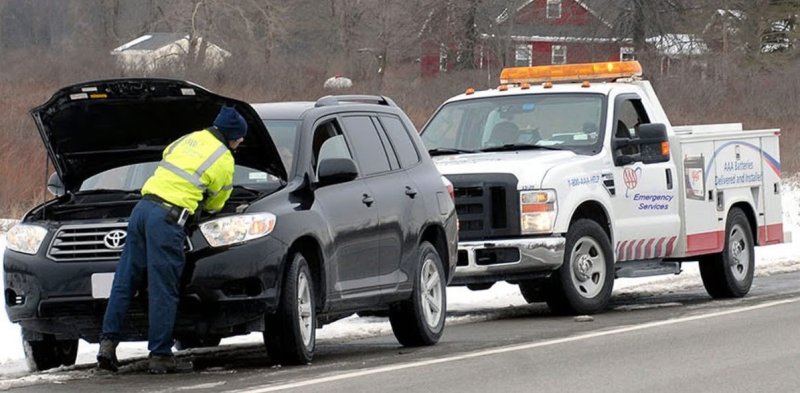
With more frigid temperatures in the forecast, and the groundhog’s prediction of six more weeks of winter, drivers should be taking every possible precaution to make sure their cars are ready for the weather.
AAA’s roadside assistance technicians responded to nearly 3,000 calls in Delaware during the recent cold snap, with battery issues accounting for 1,100 or 41% of total calls.
“Extreme cold turns a minor car issue into a major safety hazard,” said Jana Tidwell, spokesperson for AAA Club Alliance. “With battery trouble skyrocketing, a little preparation now can prevent a very unpleasant roadside surprise.”
Batteries – Cold weather is tough on any car’s battery. At 5 F, a fully charged battery will deliver about half its rated amp-hour capacity. In cold weather, the engine requires more current from the battery to start. So, combining less power output with more power requirement in a marginal battery means a vehicle that may not start.
Tires – When the temperature goes below 40 F, tire air pressure will drop 1 psi for every 10-degree drop in temperature, meaning it’s a good idea to add air to vehicle tires. The proper tire pressure for most cars can be found on the placard on the driver’s-side car door – not the number listed on the tire sidewall, which is the maximum pressure the tires can withstand. The number listed on the doorjamb is the pressure that engineers have calculated is optimal for that vehicle.
Fluids – To function properly in cold weather, antifreeze should be at a 50/50 ratio with water. It’s easy to check the antifreeze mix at the overflow reservoir bottle with an inexpensive tool called a battery hydrometer. Winter weather and salt on the roads mean drivers will be using plenty of washer fluid this winter to clean off their windshield. Make sure the window washer fluid is full and at the proper strength so it won’t freeze.
Wiper blades - Windshield wiper blades have a determined lifespan; when newer, they’re great, but when they get worn, they can become dangerous by not affording proper visibility. Wipers should not be used as substitute ice scrapers to remove thin layers of frost and ice. This can damage the rubber on the blade, along with cold weather and sunshine. Wiper blades should be checked during every oil change and inspection. Plan on replacing them at least once a year.
Vehicle owners/drivers should keep an emergency road kit in the vehicle in case of emergencies. It should include jumper cables, a flashlight and batteries, flares or reflective triangles, a warm blanket, an ice scraper, a first-aid kit, drinking water and snacks, and a tow strap.
Any vehicle that is a 2007 or newer model does not need to be warmed up before driving. It takes only about 30 seconds for the engine to be lubricated properly, and in fact, actually driving the car is the best thing to do. Leaving a vehicle running in the driveway for an extended period of time wastes gas.
With preventive maintenance, a properly stocked emergency kit, and a little patience, everyone can mitigate the harshness of Old Man Winter while staying safe.