













Something Else For Your Spring-Cleaning List.
I spent a “fun” hour or so this past weekend doing a long-overdue garage cleanout. A modest start to a Spring-Cleaning plan of action, but worthwhile, and it’s really nice to see tangible results when you are done.
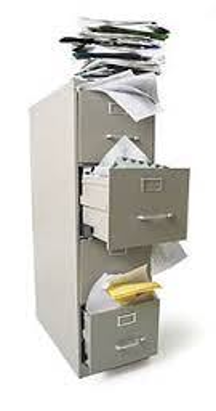
Spring is traditionally a time of renewal after a hard winter, which was certainly true this year, and part of that renewal process for many folks is a clean-up and cleanout process to have a fresh start. This year I have a suggestion to add some other things to your Spring-Cleaning list. And that is to go through your boxes of important documents or file cabinets or piles of stuff and organize and declutter and prioritize things.
I am often asked how long should I keep tax returns, receipts, records, etc.? The answers may surprise you based on what people actually do—which is to keep them forever—but you can actually limit the retention time for just about everything to something much more manageable.
According to the IRS, the general rule for keeping tax returns and supporting information is three years from the date of filing or tax payment, whichever is later. There are some specific rules for other situations that apply to a few taxpayers, but 3-years is a good rule of thumb. For other types of records, most can be disposed of after a year or less, and some documents, for example an auto loan or mortgage, should be retained until the loan is paid off. Consumer Reports has a nice guide to records organization and retention at https://www.consumerreports.org/money/taxes/how-long-to-keep-tax-documents-a5302825423/ One thing to keep in mind is that it might be advisable to shred any important documents, particularly those with financial information or personally identifiable information, rather than just dispose or recycle them. If you don’t have a shredder there are often free shredding events in the area or you can pay to have things shredded at certain stores or a shredding service.
At the same time you are doing this records review and recycle process, this is an excellent opportunity to get your financial life in order, then your legal readiness, and finally, making sure they all work together as you would like.
Having been in the situation with family and clients of doing the cleanout process for them after they have become disabled or have died, I suggest that you look at this project as a gift to your loved ones that actually benefits yourself as well. One simple way to start this Peace of Mind gifting process is to organize your financial life in a way that would allow your trusted agent, whether that is your spouse, partner, child, sibling, parent, friend, etc., to be able to step in and help you or act for you if necessary due to injury, illness, incapacity, or even untimely death.
My tool for doing this is something I call the Peace of Mind Plan Roadmap Organizer and in my attorney hat in Virginia, Maryland, and Washington, DC, I offer it to my clients as part of their estate planning package. But I also offer it free of charge to my financial planning clients who work with Safe Harbor Financial Advisors and that is my gift to any of you who would like this tool for your own use.
But this Roadmap Organizer is only part of the Peace of Mind planning process. You also need to make sure that your legal readiness plan is up to date, including a Will or Trust, Powers of Attorney for financial matters and healthcare, a Living Will or Advance Medical Directive with your end-of-life care instructions, and other documents. I highly recommend that you work with an experienced estate planning attorney for this as there is a lot of risk in viewing the creation of estate planning documents as a DIY project. If you don’t get it right there probably won’t be an opportunity for a do-over or mulligan!
The last piece of the Peace of Mind planning process is a review of your financial plan and coordination of your finances with your estate plan to ensure that your intentions are actually going to be accomplished should something happen to you. Many estate plans, even expensive or complex ones, can fail or not fully accomplish the intended goals by not tying the money to the plan correctly.
This is one additional benefit of the Peace of Mind Plan Roadmap Organizer as it gives you the opportunity to review what you have, where it is, how it is titled, etc., and that will help you ensure that you match that up to your legal plan documents. And that is something that Safe Harbor Financial Advisors can help you with on an hourly or project fee basis.
You can request your own complimentary Roadmap Organizer by emailing me at Info@SafeHarborFinancialAdvisors.com, or using the contact me feature at www.SafeHarbor.financial, or simply by calling and leaving me a message at 302-313-6644. Just put Roadmap Organizer in the subject line or in the message, and let me know your email address so you can get the full benefit of the Organizer’s fillable PDF features. If you prefer to use a hard copy of the Organizer I can provide that as well if you include your mailing address.
I will promise you that you will find the Roadmap Organizer valuable. I won’t promise you that the Spring-Cleaning or records review process will be a fun activity, but I think when you are done, and you see the results of what you have done, as I did with my garage, you will appreciate your effort.