




 Patricia Dailey Lewis, Esq.
Patricia Dailey Lewis, Esq.
Patricia Dailey Lewis, Esq.
In 93% of child sexual abuse cases, the child knows the person who harmed them. The predator is often a relative, a coach, an educator, or someone the family invited into their lives, trusted with their child, and had no reason to doubt.
This is how abuse operates, and it helps explain why survivors rarely speak quickly.
The average survivor does not disclose their abuse until their early 50s. I have watched legislators hear that number and look for an explanation that makes it easier to accept. There is not one. When the person who abused you is someone your family depends on, speaking up as a child is not a realistic option. That reality does not resolve quickly. For some, it never resolves. For most, it takes a lifetime.
By the time many survivors are ready to come forward, the legal window has already closed. We have built a system that cannot deliver accountability in most cases. When those windows close, it means that there is no hearing, no record, and no consequence for the institution that may have protected the abuser or failed to institute even the most basic protections for children. Children were left to fend for themselves. Every disclosure represents a child who needed protection and did not get it. The least we can do is ensure that the courthouse door remains open when they are ready to walk through it.
House Bill 75 would allow civil claims related to child sexual abuse to be filed without regard to prior time limits. It would apply retroactively, cover individuals, institutions and government entities, and include safeguards against bad faith claims. I support it, and the General Assembly has the authority to pass it.
The objection raised most often is that older claims are difficult to defend. I am an attorney. I have worked within these systems long enough to understand what that argument protects. Many youth-serving organizations and entities knew what was happening. Penn State knew. The Boy Scouts knew. Statutes of limitations did not shield children from those institutions. They shielded those institutions from children, and they continue to do so. Organizations with the most to hide have the strongest interest in keeping legal windows narrow. That is no reason to keep them narrow. It is a reason to open them.
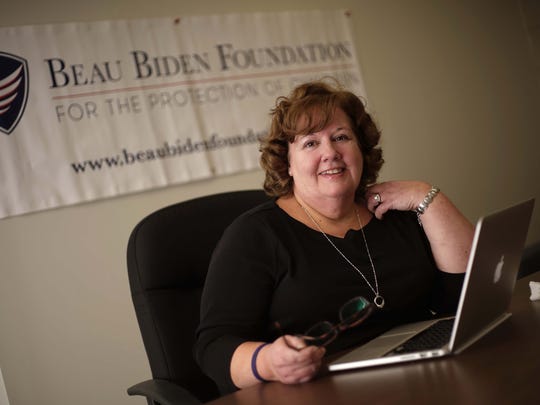
Prevention sits at the center of this conversation. At the Beau Biden Foundation, we work with organizations across the country on child protection because most abuse is preventable. Adults who are trained to recognize warning signs, understand grooming, and follow clear reporting structures can make a meaningful difference. This work helps keep children safe. If your organization works with children and does not have that training in place, that is the most immediate problem to address. If you suspect that a child is being abused or neglected, report it. Do not wait for certainty. Report it.
Accountability is the other side of that work. In situations where institutions have managed their own exposure for decades, and where survivors have carried harm that was never acknowledged or addressed, civil litigation is one of the few ways to force a reckoning. It brings to light what organizations worked to keep internal and creates consequences that other institutions cannot ignore. Closing that path through procedural time limits, before most survivors can come forward, is not a neutral legal principle. It protects the people who caused harm.
House Bill 75 turns on a basic question: Should the legal system be available to survivors when they are ready to come forward, or only when it is convenient for the institutions that failed them? In many of these cases, the survivors were children, dependent on adults to protect them. This is a bipartisan bill. It is not about politics. It is about accountability and prevention. The General Assembly has the authority to act, and it should.
Editor’s note: House Bill 75 unanimously passed the House in March 2025 and awaits action in the Senate.
Patricia Dailey Lewis, Esq.
Cape Gazette commentaries are written by readers whose occupations, education, community positions or demonstrated focus in particular areas offer an opportunity to expand our readership's understanding or awareness of issues of interest.