











There are lots of pressures facing birds. They get eaten by cats, slam into glass windows during migration and face habitat loss. Their food supply is also dwindling, as pesticides and climate change affect insects, which most birds rely upon when young. The bird population is shrinking at a worrying rate.
Dr. Douglas Tallamy, a famous Delaware ecologist and UD professor, asks us to replace grass with native plants to feed and sustain the birds. He is working with the Less Lawn More Life initiative to spread the word about saving the birds. And the bees, our most important pollinators, are starving as well. Find out more at lesslawnmorelife.com.
The National Wildlife Federation also has a program, with checklists and an opportunity to accquire a NWF yard sign when you do the work. Many of us would love to see homeowners replace grass with bird and bee habitat. You can find the NWF ideas at certifiedwildlifehabitat.nwf.org and other portions of their website.
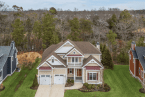
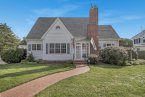
How does this work with Sussex County and many homeowners associations’ yard requirements? Sussex County and HOAs are mostly concerned with regulating grass height at less than 12 inches. Trees and other plantings are only monitored when they obstruct street views.
A simple way to invite wildlife and keep your HOA happy is to think about beds.
Start naturalizing your yard in a small way. Define a bed for wildlife, perhaps with sticks and string. Plant some native plants that will provide berries for birds to feast on, and maybe a butterfly bush. Or bee balm. Think about adding clover to your grass to feed the bees. Go bigger in increments. You can gradually spread your success across your front and back yards.
Find the beauty in wilding and hearing birdsongs, watching bees and ladybugs, seeing fireflies again.
-
A letter to the editor expresses a reader's opinion and, as such, is not reflective of the editorial opinions of this newspaper.
To submit a letter to the editor for publishing, send an email to viewpoints@capegazette.com. All letters are considered at the discretion of the newsroom and published as space allows. Due to the large volume of submissions, we cannot acknowledge receipt of each submission. Letters must include a phone number and address for verification. Keep letters to 400 words or fewer. We reserve the right to edit for content or length. Letters should be responsive to issues addressed in the Cape Gazette rather than content from other publications or media. Letters should focus on local issues, not national topics or personalities. Only one letter per author will be published every 30 days regarding a particular topic. Authors may submit a second letter within that time period if it pertains to a different issue. Letters may not be critical of personalities or specific businesses. Criticism of public figures is permissible. Endorsement letters for political candidates are no longer accepted. Letters must be the author’s original work, and may not be generated by artificial intelligence tools. Templates, form letters and letters containing language similar to other submissions will not be published.